
Long before fairy tales were softened into brightly colored bedtime stories, they were something far stranger. Often designed not to comfort but to warn, many were filled with cruel punishments, unsettling transformations, and moral lessons that didn’t always offer easy resolutions. Over time, most of these tales were polished into more palatable, Disney-fied versions, though that’s not to say their original shadows fully disappeared.
Indeed, there are several films that tap directly into a fairy tale’s darker lineage. These aren’t the worlds where good and evil are neatly separated or where happy endings are guaranteed. Instead, these are stories that happily linger in ambiguity, discomfort, and quiet tragedy. So, whether it’s in a castle, a dreamland, or a mere theater, these are the movies that prove that the most powerful fairy tales are the ones that dare to disturb.
8
‘The Ugly Stepsister’ (2025)

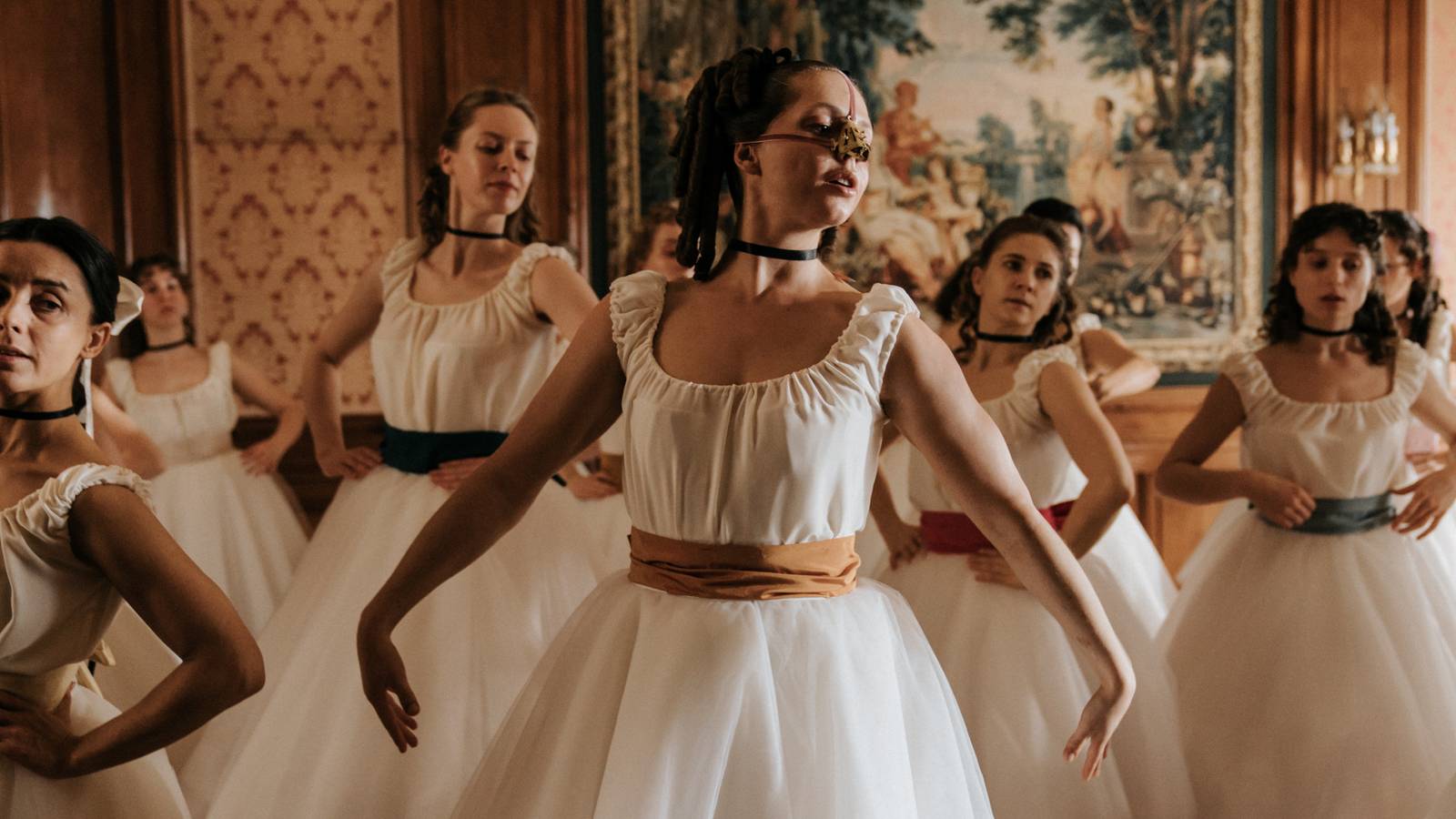
As a twisted reimagining of the classic Cinderella story, this tale shifts the perspective to the overlooked sibling usually relegated to the margins of the fairy tale. Here, young Elvira (Lea Myren) dreams of nothing more than to marry Prince Julian (Isaac Calmroth), the kingdom’s most desirable bachelor. The problem? She lives in a realm where beauty reigns supreme, and her step-sister Agnes (Thea Sofie Loch Naess) just so happens to fit perfectly. In order to compete, Elvira resorts to extreme measures of physical perfection.
What makes The Ugly Stepsister particularly fascinating is how it dismantles the comforting simplicity of the original story. Rather than presenting a clear heroine and villain, the film examines how cruelty and jealousy can fester from insecurity and neglect. Through this unsettling reframe, the movie transforms into something far more psychologically complex and disturbing. Yes, it hones in on its nostalgic roots, but its fresh take on body horror is what truly makes it a delicious nightmare.
7
‘Coraline’ (2009)

When Coraline Jones (Dakota Fanning) moves into a strange new house, she discovers a hidden door that leads to a parallel world seemingly designed just for her. In this alternate reality, her “Other Mother” and “Other Father” appear far more attentive than her distracted real parents. But what initially feels like a dream quickly turns into a nightmare as Coraline realizes the price of staying in this perfect world may be far more sinister than she ever imagined.
Based on Neil Gaiman‘s novel, Coraline’s stop-motion animation gives the film a storybook beauty that contrasts sharply with its creeping sense of dread. Indeed, beneath its playful surface lies a classic cautionary tale about temptation, identity, and manipulation. Few animated films balance wonder and genuine terror as effectively as this one, even if it mostly leans a lot heavier into horror, traumatizing audiences across all generations.
6
‘Black Swan’ (2011)

Ambitious ballerina Nina Sayers (Natalie Portman) lands the coveted dual role in a new production of Swan Lake. But while Nina perfectly embodies the fragile innocence required for the White Swan, her director feels she doesn’t have the dark passion needed to portray the Black Swan — something that Nina’s new rival, Lily (Mila Kunis), does. But as the pressure of perfection intensifies, Nina’s grip on reality begins to fracture.
Drawing heavily from the dark folklore embedded within the Swan Lake story, Black Swan transforms a famous ballet narrative into a haunting exploration of obsession and identity. Nina’s descent into paranoia feels almost mythic, mirroring the tragic transformations common in older fairy tales. Frankly, it’s the classic tale of a tortured artist. And by blending psychological horror with dreamlike imagery, the movie showcases the unsettling power that often lies beneath the seeming elegance of these theatrical stories.
5
‘The Company of Wolves’ (1984)

In the modern world, Rosaleen (Sarah Patterson) is a teenager who lives with her family in their English country house. But she soon begins dreaming about a dark 18th-century village where her sister is killed by wolves. Later on in this dream, Rosaleen is sent to live with her Granny (Angela Lansbury), who eventually fills her head with cautionary tales about the dangers of the forest and “beasts” that hide within men.
As an adaptation of Angela Carter‘s famed short story, which is itself loosely inspired by The Little Red Riding Hood, The Company of Wolves leans into the darker symbolism of the original folklore. Director Neil Jordan crafts a surreal, gothic atmosphere filled with unsettling transformations and fairy tale imagery that borders on nightmare. Better still, the film goes beyond the moral lessons and explores the heavy themes of sexuality, fear, and the loss of innocence. Sure, it’s ambitious in nature, but sometimes fairy tales need that bold, punchy format.
4
‘The Pied Piper’ (1986)

Set in a grotesque, wooden-carved town of Hamelin, the village descends into chaos when a plague of rats infests their land. Luckily, while debating how to rid themselves of the infestation, they meet a mysterious piper whose hypnotic music lures the rats over a cliff. But when greed consumes the villagers, and they refuse to pay the piper what was promised, punishments ensue.
What sets this particular adaptation apart is its striking visual identity. Crafted using stop-motion animation, The Pied Piper feels like a true Grimm fairy tale brought to life (in all its tactile and ominous ways). There’s very little dialogue, allowing the imagery and atmosphere to carry the story’s weight, which makes its moral sting land even harder. In many ways, this film is less a retelling and more a sensory nightmare — one that captures the bleak, cautionary essence of the original tale with unsettling precision.
3
‘Legend’ (1985)

In a mystical forest world, the forces of darkness plot to plunge the land into eternal night by destroying the last remaining unicorns. But when Princess Lili (Mia Sara) unknowingly helps set this plan into motion, it falls to a young forest dweller named Jack (Tom Cruise) to restore balance before the sinister Lord of Darkness (Tim Curry) completes his plan.
Directed by film icon Ridley Scott, Legend embraces the visual grandeur of classic fantasy while amplifying its darker undertones. The film’s elaborate sets, eerie lighting, and striking creature designs create a world that feels both enchanting and ominous. But what makes this even better is how it’s a tale rooted in primal themes, whether it’s innocence corrupted, nature threatened, or darkness always waiting to reclaim the world. Many would even argue that Curry’s iconic portrayal of the horned villain remains one of fantasy cinema’s most unforgettable antagonists. It’s a true underrated ’80s gem.
2
‘The Fall’ (2006)

In a Los Angeles hospital during the 1920s, a bedridden and paralyzed stuntman named Roy (Lee Pace) befriends a young girl recovering from a broken arm. To pass the time (though with ulterior motives), Roy narrates an elaborate fantasy story about a band of heroes seeking revenge against a ruthless governor. But as the tale unfolds, it begins to mirror their real-life growing bond.
What starts as a whimsical adventure gradually reveals a far darker emotional core. In The Fall, Roy’s story reflects his own despair and fractured hopes, immediately blurring the line between escapist fantasy and painful reality. Director Tarsem Singh fills the film with breathtaking imagery of vibrancy and grandeur. And yet this beautiful story-world is only elevated by the tragedy that drives it. As a true hidden masterpiece of the fantasy genre, this is a reminder of how most classic fairy tales often emerge from deeply human pain.
1
‘Pan’s Labyrinth’ (2006)

Set in post-Civil War Spain, young Ofelia (Ivana Baquero) moves with her pregnant mother to the countryside under the command of her cruel stepfather. Isolated and frightened, she discovers an ancient labyrinth where a mysterious faun informs her that she may just be the reincarnated princess of an underground kingdom — so long as she completes three dangerous tasks.
In true Guillermo del Toro fashion, Pan’s Labyrinth masterfully intertwines harsh historical reality with dark fairy-tale fantasy. Indeed, the magical world Ofelia encounters is not just a place of comfort, but one filled with strange creatures, moral tests, and frightening consequences. This juxtaposition of human cruelty and mythic storytelling effectively captures the original spirit of folklore, where wonder and horror exist side by side. The result is a haunting modern tale that feels timeless, tragic, and utterly unforgettable.