

As GLP-1 medications continue to reshape the weight-loss landscape, a quieter shift is drawing growing attention in aesthetic medicine: what happens to the skin along the way.
That question has been coming up more and more in conversations we’re having with physicians, and it came into focus during an intimate NewBeauty-hosted dinner in Miami in partnership with Matrix™ by Candela. Leading dermatologists and aesthetic experts gathered to discuss how rapid weight loss from GLP-1 medications is changing skin quality, facial structure and treatment timing—a trend that physicians say is accelerating fast.

“We’re seeing one of the most dramatic shifts aesthetics has experienced in decades,” said Konika Schallen, MD, senior vice president of global clinical operations at Candela. “GLP-1 medications are transforming health, but they’re also changing the skin in ways many people don’t expect.”
The data behind the concern
To better understand the aesthetic impact of GLP-1 weight loss, NewBeauty set out to quantify what doctors were already seeing in practice, partnering with Matrix by Candela on a NewBeauty BeautyEngine survey exploring how users experience visible skin and facial changes. One finding stood out: 64 percent reported no discussion about skin or facial changes when starting GLP-1 therapy, and 81 percent received no guidance on how to manage them.
The physical effects are already showing up. More than one-third of respondents reported facial hollowing, while over 40 percent noticed looser skin on the face or neck after weight loss. At the same time, nearly one-third had not yet noticed changes, a detail experts say is especially important. “That early phase is critical,” said Miami dermatologist Stacy Chimento, MD, who helped lead the discussion. “Once laxity and volume loss become advanced, treatment becomes corrective rather than supportive.”
Why the aesthetic conversation is lagging
One reason skin changes feel unexpected is where GLP-1 care is happening. Survey data shows that most users receive their prescriptions through primary care offices or telehealth platforms, where the focus is metabolic health, not appearance-related outcomes. “Weight loss is framed as the finish line,” Dr. Chimento said. “But skin responds differently, especially during rapid loss. When no one explains that upfront, the changes feel abrupt and unsettling.”
That emotional impact is reflected in the data. More than half of respondents rated their concern about facial changes at seven or higher on a 10-point scale, with nearly one in five reporting extreme concern.
How Matrix entered the GLP-1 conversation
As the dinner discussion evolved, the tone shifted from reacting to change to planning ahead, particularly around how energy-based treatments can support skin during weight loss rather than trying to address changes after they become pronounced. For many clinicians at the table, that’s where Matrix by Candela has become part of the GLP-1 strategy.
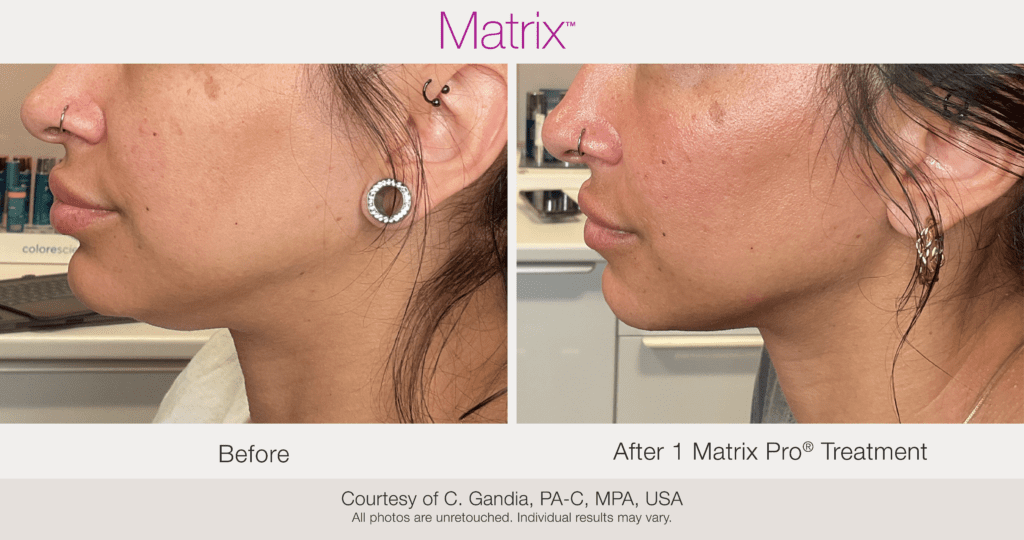
Matrix by Candela is an all-in-one FDA-cleared, nonsurgical skin renewal platform designed to stimulate the body’s natural collagen response using controlled, targeted energy delivery. Physicians emphasized its real-time impedance feedback system, which continuously senses how the skin responds during treatment, adapts energy delivery in real time, and displays the feedback to ensure providers maintain precise, even, and safe results. “With Matrix, you know where you are in the skin at all times,” Dr. Chimento said. “That precision matters, especially when volume is already changing. The goal is collagen stimulation and skin support, not fat loss.”
Dr. Schallen noted that safety and predictability were central to the conversation. “There’s understandable concern about overcorrection or unintended volume changes and fat loss,” she said. “Matrix was designed to deliver energy in a way that supports skin quality without compromising underlying structure.”
A need for earlier skin support
One of the most telling survey insights shared during the evening was how many users wished they had acted sooner. Nearly 74 percent said they would have considered preventative treatment if they had been informed earlier, and 32 percent said they would have been extremely likely to invest more with that knowledge upfront. “That tells us timing matters more than persuasion,” Dr. Chimento said. “When people understand what’s happening to their skin early on, they’re far more receptive to supportive treatments.”
Rather than waiting for visible sagging or hollowing, many providers now see the Matrix Treatment as a way to help build collagen early, improving skin resilience throughout the weight-loss process. When combined with injectables and skin care, it can reduce or delay the need for more aggressive interventions, such as plastic surgery, later.
“This isn’t about a single solution,” Dr. Schallen said. “It’s about approaching weight loss, skin quality and confidence as connected parts of the same journey.”
What to keep in mind
GLP-1 medications are here for the long run, and so are the aesthetic questions they raise. What became clear during the discussion is that skin changes aren’t a failure of weight loss, but a predictable part of rapid transformation. Starting the conversation early, understanding available options and choosing treatments that prioritize natural results can make a meaningful difference. As Dr. Chimento put it, “People work hard for their transformation. Supporting skin along the way helps them feel good about every part of it.”