
The Centre for Disease Control and Prevention (CDC) characterizes menopause as the permanent end of the menstrual cycle, typically occurring around age 51 in women. It is confirmed after a menstruating individual has gone 12 consecutive months without a menstrual period, signifying that the ovaries have stopped releasing eggs and that the production of reproductive hormones, mainly estrogen and progesterone, has declined.
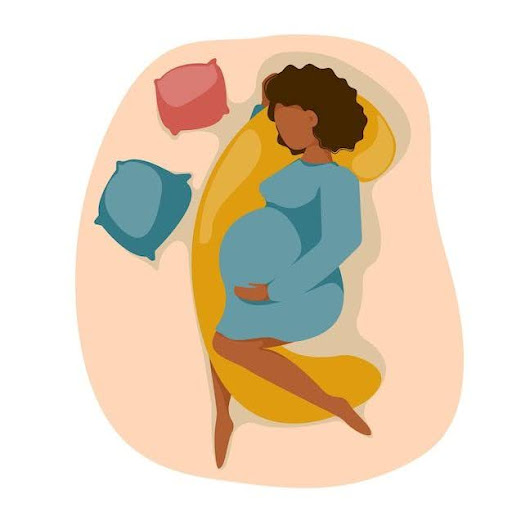
Although menopause signifies the end of natural fertility, there have been instances of pregnancies occurring postmenopause, usually with the aid of assisted reproductive technologies (ART). But the reproductive system undergoes significant changes during menopause, which not only complicate the diagnosis of pregnancy but also render any postmenopausal conception a high-risk pregnancy requiring specialized medical care. Beyond these medical concerns, the ethics of postmenopausal pregnancy, particularly when achieved through ART, have sparked debate regarding maternal age limits and the broader responsibilities of reproductive medicine.