
يحمل شهر رمضان المبارك في نجد و«الرياض» طابعاً اجتماعياً خاصاً تتجسد فيه قيم التكافل والروحانية وتبرز من خلاله عادات متوارثة ما زالت حاضرة رغم التحولات التي شهدها نمط الحياة المعاصرة.
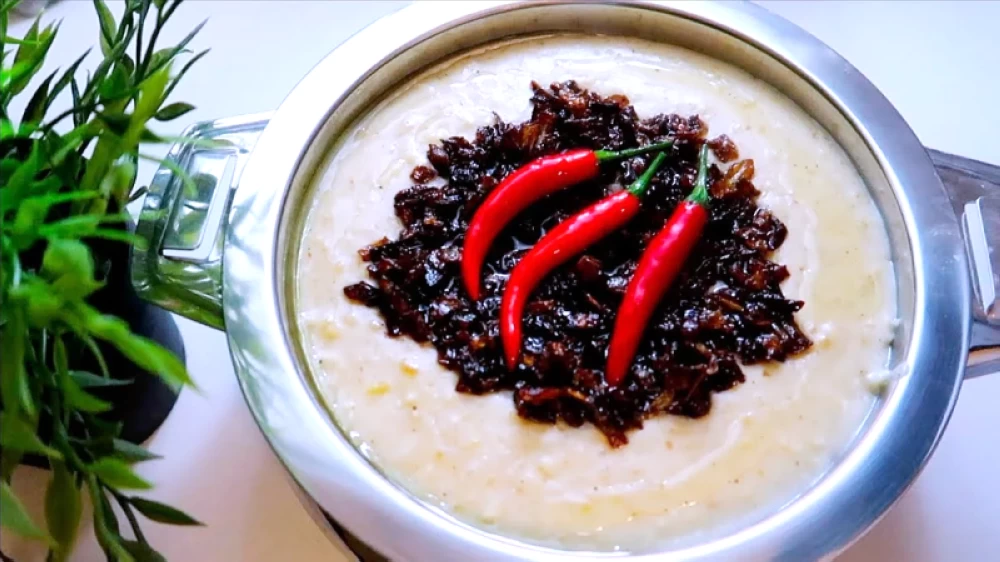
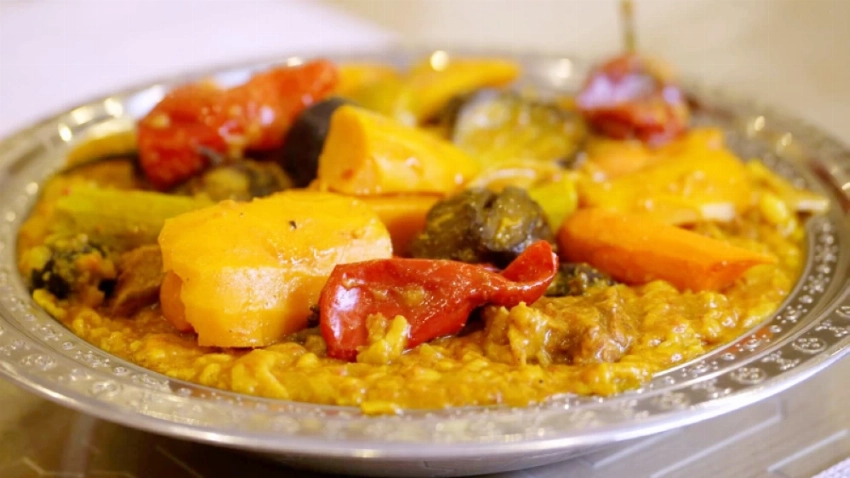
ويحرص الأهالي على بدء الإفطار بالتمر والماء أو القهوة العربية قبل الالتفاف حول مائدة تضم أطباقاً شعبية اشتهرت بها المنطقة من أبرزها الجريش والمرقوق والقرصان في مشهد يومي يعكس أهمية اجتماع الأسرة وتعزيز الروابط الاجتماعية خلال الشهر الفضيل.
وتحتفظ القهوة العربية بمكانتها في المجالس الرمضانية، اذ تُقدّم بعد الإفطار وخلال الزيارات العائلية بوصفها رمزاً للضيافة وامتداداً لتقاليد الكرم التي عُرف بها المجتمع النجدي.
وفي الجانب التعبدي تشهد مساجد الرياض إقبالاً ملحوظاً على صلاتي العشاء والتراويح وسط أجواء إيمانية تتسم بالخشوع وروح الجماعة فيما يحرص كثير من المصلين على ارتياد المساجد القريبة من منازلهم أو ذات الطابع التاريخي.
أما السحور فيتسم بالبساطة والهدوء، وتفضل العائلات وجبات خفيفة غالباً ما تشمل التمر واللبن وبعض الأطعمة التقليدية، فيما كانت بعض الأحياء قديماً تعرف (المسحراتي) الذي يجوب الشوارع لتنبيه الصائمين قبل أن تتراجع الظاهرة مع تطور الحياة الحضرية.
ويبرز في رمضان جانب التكافل الاجتماعي من خلال تفطير الصائمين وتبادل الأطعمة بين الجيران والمبادرات الخيرية، التي تستهدف الأسر المحتاجة في صورة تعكس القيم الإسلامية الراسخة في المجتمع.
ورغم اختلاف تفاصيل الحياة بين الماضي والحاضر ما زالت العادات الرمضانية في نجد والرياض تحافظ على جوهرها لتبقى شاهداً على هوية اجتماعية متجذرة تتجدد مع كل رمضان بروح الأصالة والانتماء.
The blessed month of Ramadan in Najd and “Riyadh” carries a special social character that embodies values of solidarity and spirituality, showcasing inherited customs that remain present despite the transformations witnessed in contemporary lifestyles.
The locals are keen to start their iftar with dates and water or Arabic coffee before gathering around a table featuring popular dishes famous in the region, including jareesh, marqooq, and qursan, in a daily scene that reflects the importance of family gatherings and strengthening social ties during the holy month.
Arabic coffee retains its status in Ramadan gatherings, as it is served after iftar and during family visits, symbolizing hospitality and extending the traditions of generosity that the Najdi community is known for.
In terms of worship, mosques in Riyadh witness a notable turnout for the evening and Taraweeh prayers amidst a spiritual atmosphere characterized by humility and a sense of community, with many worshippers keen on attending mosques close to their homes or those with historical significance.
As for suhoor, it is marked by simplicity and tranquility, with families preferring light meals that often include dates, yogurt, and some traditional foods. In the past, some neighborhoods were known for the “musaharati,” who would roam the streets to awaken the fasting individuals, although this phenomenon has declined with the evolution of urban life.
The aspect of social solidarity is highlighted during Ramadan through the iftar of fasting individuals, the exchange of food between neighbors, and charitable initiatives targeting needy families, reflecting the deep-rooted Islamic values in the community.
Despite the differences in life details between the past and present, the Ramadan customs in Najd and Riyadh maintain their essence, serving as a testament to a deeply rooted social identity that renews with each Ramadan in a spirit of authenticity and belonging.