
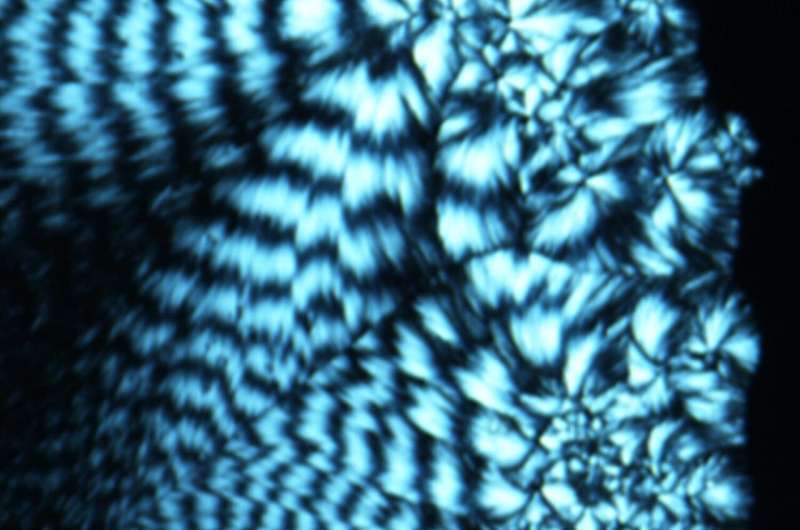
Penn State engineers fuse synthetic DNA and perovskite to build ultra-efficient memristors that could shrink power use and supercharge data processing for future electronics.
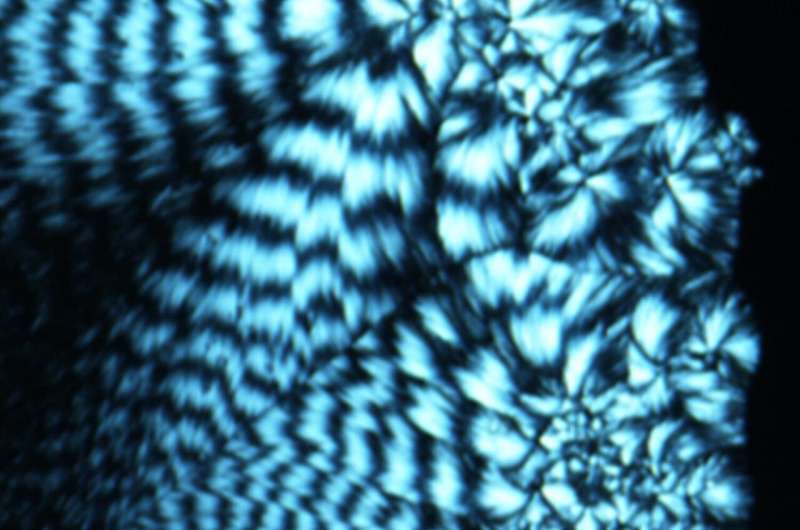
Pennsylvania State University researchers have developed a bio-hybrid electronic memory device that harnesses nature’s own data-storage molecule, DNA, to dramatically improve next-generation electronics. By integrating short synthetic DNA sequences with crystalline perovskite semiconductors, the team created a low-power memory resistor known as a memristor that could redefine how data is stored and processed in electronic systems.

DNA, the molecule that encodes life, boasts an unparalleled storage density roughly 215 million gigabytes per gram far exceeding traditional digital media. Translating that capability into electronics has long been challenging because biological molecules and inorganic materials don’t naturally interface. The Penn State researchers overcame this gap by designing synthetic DNA tailored for electronic integration and combining it with perovskites, materials already used in high-performance photovoltaic and optoelectronic applications.
Unlike standard resistors, which simply hinder or allow current, memristors can “remember” the flow of electricity after power is removed. This memory functionality resembles how neurons operate, storing and processing information in the same location and enabling more brain-like computation. The new DNA-perovskite memristor operates at ultra-low voltages under 0.1 V and can endure temperatures up to nearly 250 °F while retaining stability, potentially outperforming current perovskite-based memory devices.
A key innovation was doping the synthetic DNA with silver nanoparticles, which renders the biological strands conductive and compatible with electronic operation. Because the DNA can be precisely engineered for sequence and length, the resulting device offers structural order and tunable electrical properties that are difficult to achieve with bulk biological materials alone.
Lead researchers emphasize the potential impact on future technologies, especially as artificial intelligence and data-intensive applications demand memory systems that consume far less power than today’s flash and RAM technologies. The bio-hybrid approach could enable dense, energy-efficient storage and support neuromorphic computing architectures that more closely mimic human brain function. Next steps for the team include refining the device design and exploring other ways biological molecules can be integrated into electronic materials pointing to a future where biology and electronics converge to power advanced computing.