

Pioneering gene therapy may treat a deadly seizure disorder
New gene therapy results bring hope for treating Dravet syndrome, a rare and often fatal seizure condition
In antisense oligonucleotide (ASO) gene therapies, specially programmed RNA or DNA molecules tweak how genes are expressed.
Christoph Burgstedt/Getty Images
A pioneering gene therapy could help treat a rare seizure disorder called Dravet syndrome, according to new clinical trial results. The drug, called zorevunersen, holds promise, especially for people with the condition who don’t respond to existing treatments such as antiseizure medications.
Dravet syndrome is typically diagnosed in a child’s first or second year of life and results in frequent seizures and intellectual disability. It can often be deadly—roughly 15 to 20 percent of children with the syndrome die before they reach adulthood.
Doctors currently prescribe antiseizure drugs and therapeutic diets to manage the seizures that characterize the condition. But these treatments are often ineffective. “It’s very rare that [a patient becomes] seizure-free,” says senior author Helen Cross of University College London. The results were published on Wednesday in the New England Journal of Medicine.
On supporting science journalism
If you’re enjoying this article, consider supporting our award-winning journalism by subscribing. By purchasing a subscription you are helping to ensure the future of impactful stories about the discoveries and ideas shaping our world today.
Instead of treating the symptoms, the new drug aims to treat the underlying cause of Dravet syndrome by targeting the gene that typically causes it—SCN1A. Researchers gave zorevunersen at varying doses to 81 patients aged two to 18 in the U.S. and the U.K. The medication significantly reduced the number of seizures patients experienced and improved their day-to-day functioning and quality of life. Over the course of 20 months, patients had between 59 percent and 91 percent fewer seizures than before they started the treatment. Most side effects were moderate or mild.
The studies were designed to test the safety and tolerability of the medication at varying dosages. Another study, a phase 3 randomized control trial, is underway, and it will more rigorously test how well the medication treats Dravet syndrome’s core symptoms. But the data from the studies published today suggest that zorevunersen is treating the underlying cause of the disease.
“These results are incredibly promising, and the levels of improvements are unprecedented in this disease state,” says Veronica Hood, chief science officer of the Dravet Syndrome Foundation. “This level of improvement is meaningful in so many aspects of daily life.”

Eight-year-old Freddie Truelove of Huddersfield, England, has Dravet syndrome and has taken part in a trial of zorevunersen, an ASO gene therapy to treat the condition.
The overwhelming majority of people with Dravet syndrome carry a mutation on the gene SCN1A, which makes an important protein that governs how brain cells fire. The mutation degrades these proteins, in turn disrupting the balance of electrical activity in the brain, which can cause seizures. The condition also typically causes developmental delays, intellectual disability, and problems with communication and movement.
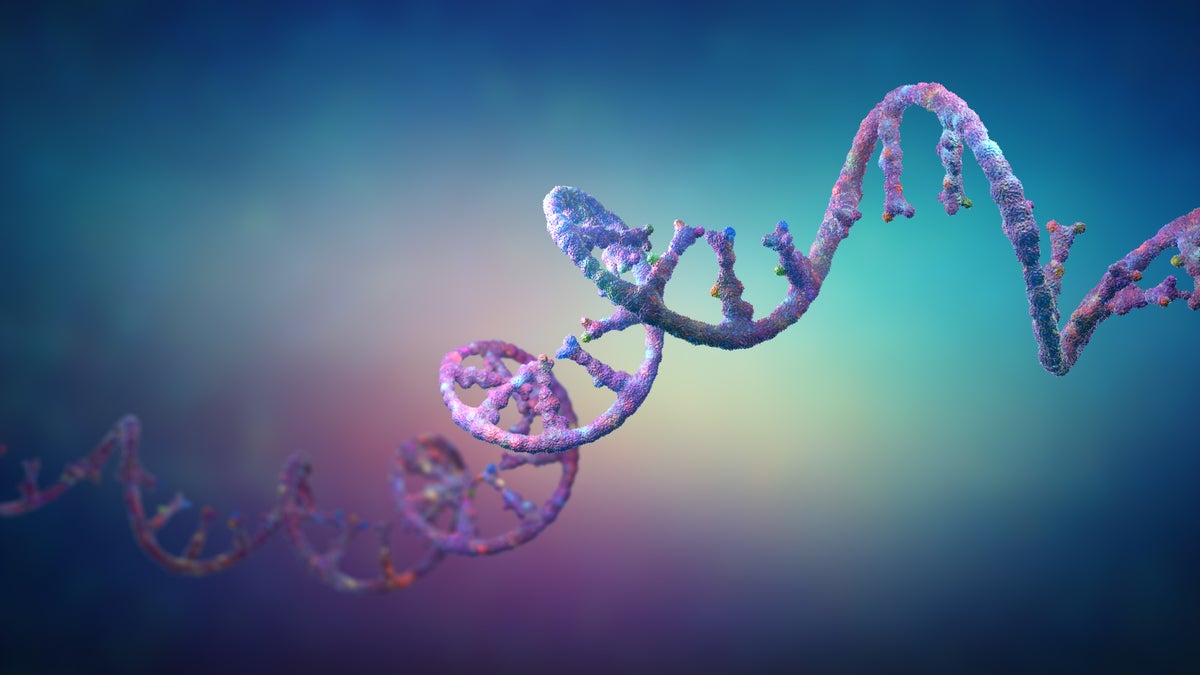
Zorevunersen effectively prevents the SCN1A mutation from degrading those important proteins. It is a type of medication called an antisense oligonucleotide—a short string of synthetic genetic information that modifies the protein-building instructions inside cells.
Existing treatments for Dravet syndrome don’t treat the motor, behavioral and cognitive issues that the condition causes. But the new medication might. The early results suggest that zorevunersen improved patients’ communication, coping and motor skills, as well as other markers of quality of life. Videos accompanying the study showed apparent improvements in patients, including children, who took the medication.
“For me, the most impactful results are the improvements in intellectual function and quality of life in those children. I cried when I first saw those videos,” says Lori Isom of the University of Michigan, who helped develop the drug but was not involved in the NEJM studies.
The medication “has the potential to completely change the long-term outcome of this disease,” says Ingrid Scheffer, a pediatric neurologist at the University of Melbourne, who treats and studies Dravet syndrome and was also not involved in the new work. It “could be a life changer,” she says.
It’s Time to Stand Up for Science
If you enjoyed this article, I’d like to ask for your support. Scientific American has served as an advocate for science and industry for 180 years, and right now may be the most critical moment in that two-century history.
I’ve been a Scientific American subscriber since I was 12 years old, and it helped shape the way I look at the world. SciAm always educates and delights me, and inspires a sense of awe for our vast, beautiful universe. I hope it does that for you, too.
If you subscribe to Scientific American, you help ensure that our coverage is centered on meaningful research and discovery; that we have the resources to report on the decisions that threaten labs across the U.S.; and that we support both budding and working scientists at a time when the value of science itself too often goes unrecognized.
In return, you get essential news, captivating podcasts, brilliant infographics, can’t-miss newsletters, must-watch videos, challenging games, and the science world’s best writing and reporting. You can even gift someone a subscription.
There has never been a more important time for us to stand up and show why science matters. I hope you’ll support us in that mission.