
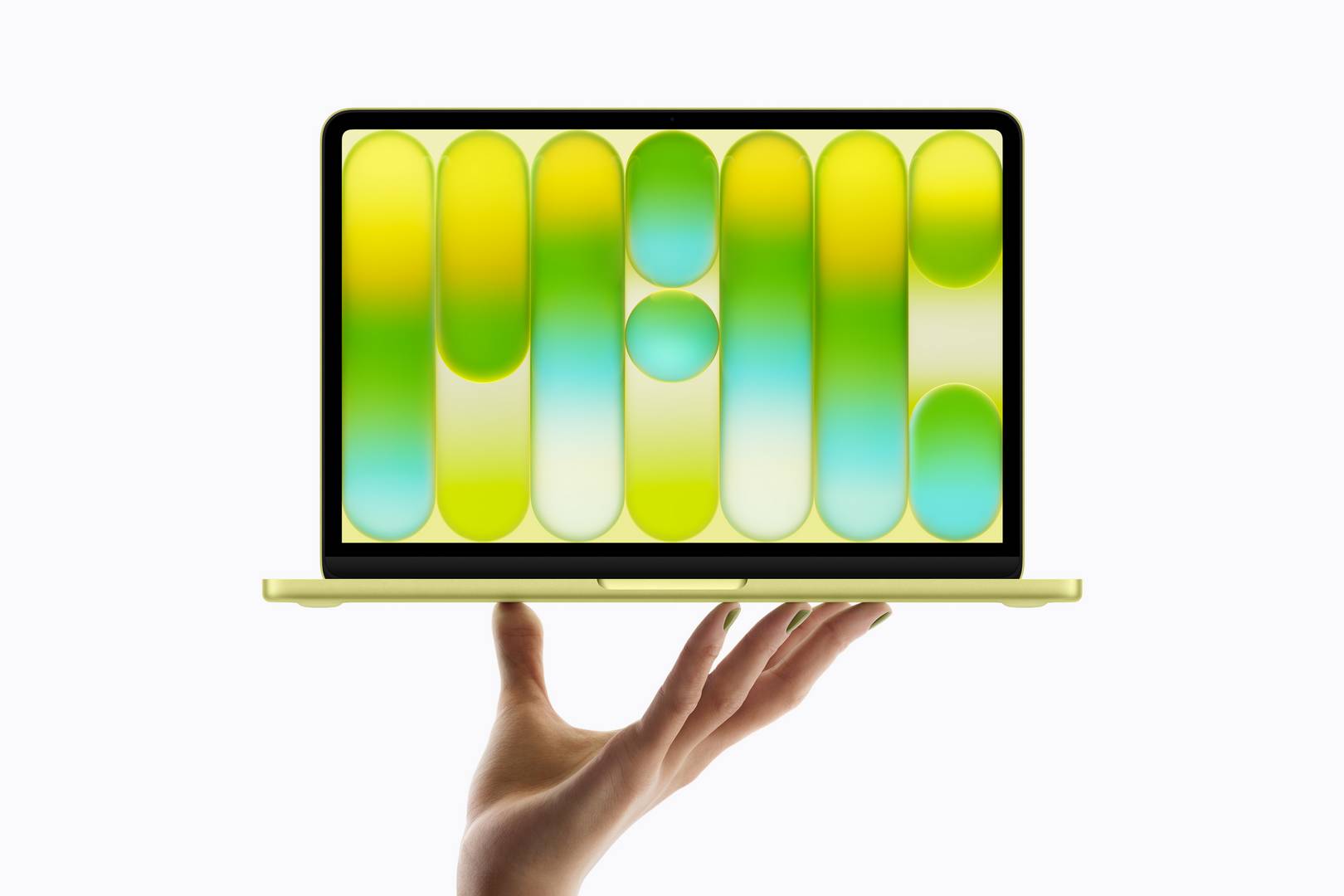
Apple just announced the MacBook Neo, its cheapest laptop ever at $599, powered by the A18 Pro, the same chip inside the iPhone 16 Pro. On paper, that sounds like a cost-cutting move. But dig a little deeper and it reveals something bigger. Apple vertical integration makes the MacBook Neo possible in a way that no competitor can simply replicate.
It starts with the hardware

Apple’s A-series and M-series chips share the same ARM64 foundation, the same custom CPU design, the same unified memory architecture, and the same Neural Engine. The M-series is essentially a scaled-up version of the A-series with more cores, more memory bandwidth, and extra hardware for professional workloads. So when Apple dropped an iPhone chip into a laptop running full macOS, it worked. Not because of clever engineering on the fly, but because the hardware was never really the barrier.
Qualcomm follows a similar pattern with its Snapdragon mobile and PC chips, both running on the ARM architecture. But to build competitive PC-class ARM cores, Qualcomm had to acquire Nuvia, a startup founded by ex-Apple chip engineers. That move signals just how far behind Qualcomm was starting from. You don’t hire away the people who built the thing you’re trying to beat unless you know you can’t get there on your own.
The software side is where it gets interesting
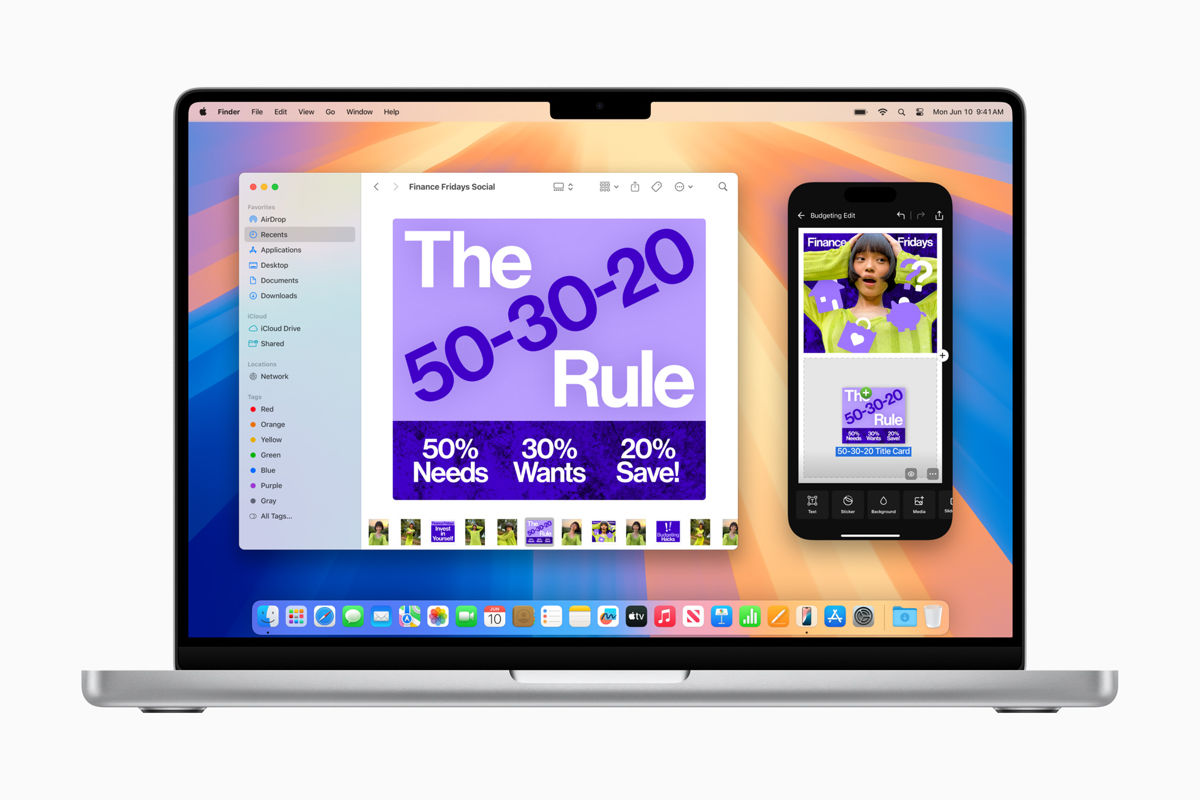
The OS is where Apple draws its product lines, not the silicon. iOS lacks the macOS frameworks and APIs that desktop apps are built on, so the boundary between iPhone and Mac software is a deliberate design choice. Not a hardware limitation. When Apple announced the move from Intel to its own chips in 2020, it revealed that macOS had been quietly co-compiled for ARM chips for over seven years in preparation.
Then Rosetta 2 filled the gap for older apps that hadn’t been updated yet. It worked as a behind-the-scenes translator that let Intel-built software run on the new chips automatically, requiring almost no effort from users. It worked far better than Microsoft’s equivalent on Windows ARM has managed.
That’s the part Qualcomm, Microsoft, and Google struggle to match. Qualcomm makes chips but doesn’t own the OS on either side of the equation. Microsoft owns Windows but doesn’t design chips or control the broader app ecosystem. Google owns Android but doesn’t make PC hardware or a full desktop operating system. Apple is the only player controlling the chip, the OS, the developer tools, and the first-party apps all at once. This was a transition that took the Windows ARM ecosystem years of painful, incremental progress. Yet it was something Apple managed to pull off cleanly in a single product cycle.
A real advantage with a real ceiling

None of this means macOS is going to take over the world. Windows holds around 71% of the global desktop market. There are also entire industries locked into software and workflows that macOS simply doesn’t support. For IT departments managing hundreds of Windows machines, or professionals relying on tools with no macOS equivalent, a $599 Apple laptop doesn’t change much. That being said, the Android PC project Google is building with Qualcomm is also worth watching.
On paper, it combines Google’s OS and app ecosystem with Qualcomm’s ARM chips. This brings them closer to Apple’s model than either company could manage alone. But that’s also the problem. It only works as long as the partnership does. A shift in strategy, a falling out, or a change in priorities at either company could derail the whole thing. Apple doesn’t have that problem because it doesn’t have a partner to fall out with.
Apple vertical integration is a real advantage. Whether it matters to you depends entirely on whether macOS works for what you actually do. For the growing number of people it does work for. And the MacBook Neo is a pretty clear demonstration of what that advantage looks like in practice.