
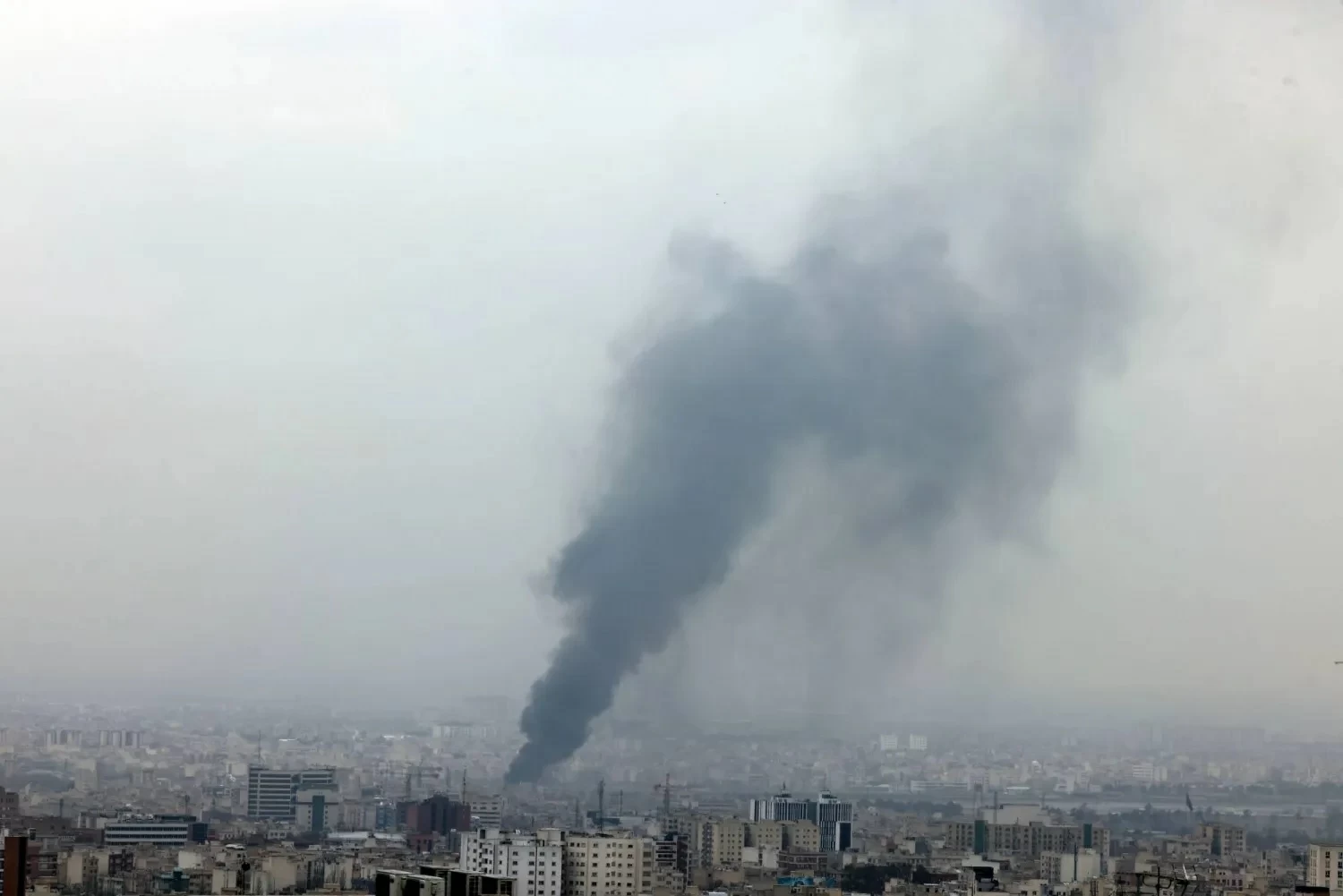
حذّرت منظمة الصحة العالمية، (الثلاثاء)، من المخاطر الصحية المحتملة لما يُعرف بـ«المطر الأسود» الذي سُجِّل سقوطه في مناطق من إيران عقب الضربات الجوية التي استهدفت منشآت نفطية. وأشارت المنظمة إلى أن هذه الظاهرة قد تؤدي إلى مشكلات في الجهاز التنفسي، داعمةً التوصيات التي دعت السكان إلى البقاء داخل منازلهم.
أمطار ملوّثة
وذكرت المنظمة التابعة للأمم المتحدة، والتي تمتلك مكتباً في إيران وتعمل بالتنسيق مع السلطات المحلية في حالات الطوارئ الصحية، أنها تلقت خلال الأيام الماضية عدة تقارير تفيد بهطول أمطار مختلطة بملوثات نفطية.
وجاء ذلك بعد أن غطّى دخان أسود كثيف سماء طهران، الاثنين، عقب استهداف مصفاة نفط ضمن سلسلة ضربات طالت إمدادات الطاقة المحلية، في إطار التصعيد المرتبط بالحملة التي تقودها الولايات المتحدة وإسرائيل.
خطر محتمل
وخلال مؤتمر صحفي في جنيف، أوضح المتحدث باسم منظمة الصحة العالمية كريستيان ليندماير أن «المطر الأسود وما قد يصاحبه من أمطار حمضية يشكلان بالفعل خطراً على السكان، خصوصاً فيما يتعلق بصحة الجهاز التنفسي».
وأضاف أن السلطات الإيرانية نصحت السكان بالبقاء في منازلهم كإجراء احترازي، وهو ما اعتبرته المنظمة خطوة مناسبة في ظل الظروف الحالية.
مخاوف جودة الهواء
وعند سؤاله عن موقف المنظمة من هذه التوصية، أكد ليندماير أن الأضرار التي لحقت بمنشآت تخزين النفط والمصافي، وما نتج عنها من حرائق وانبعاثات كثيفة، أثارت مخاوف جدية تتعلق بجودة الهواء، ما يجعل تقليل التعرض المباشر للهواء الخارجي إجراءً معقولاً في الوقت الراهن.
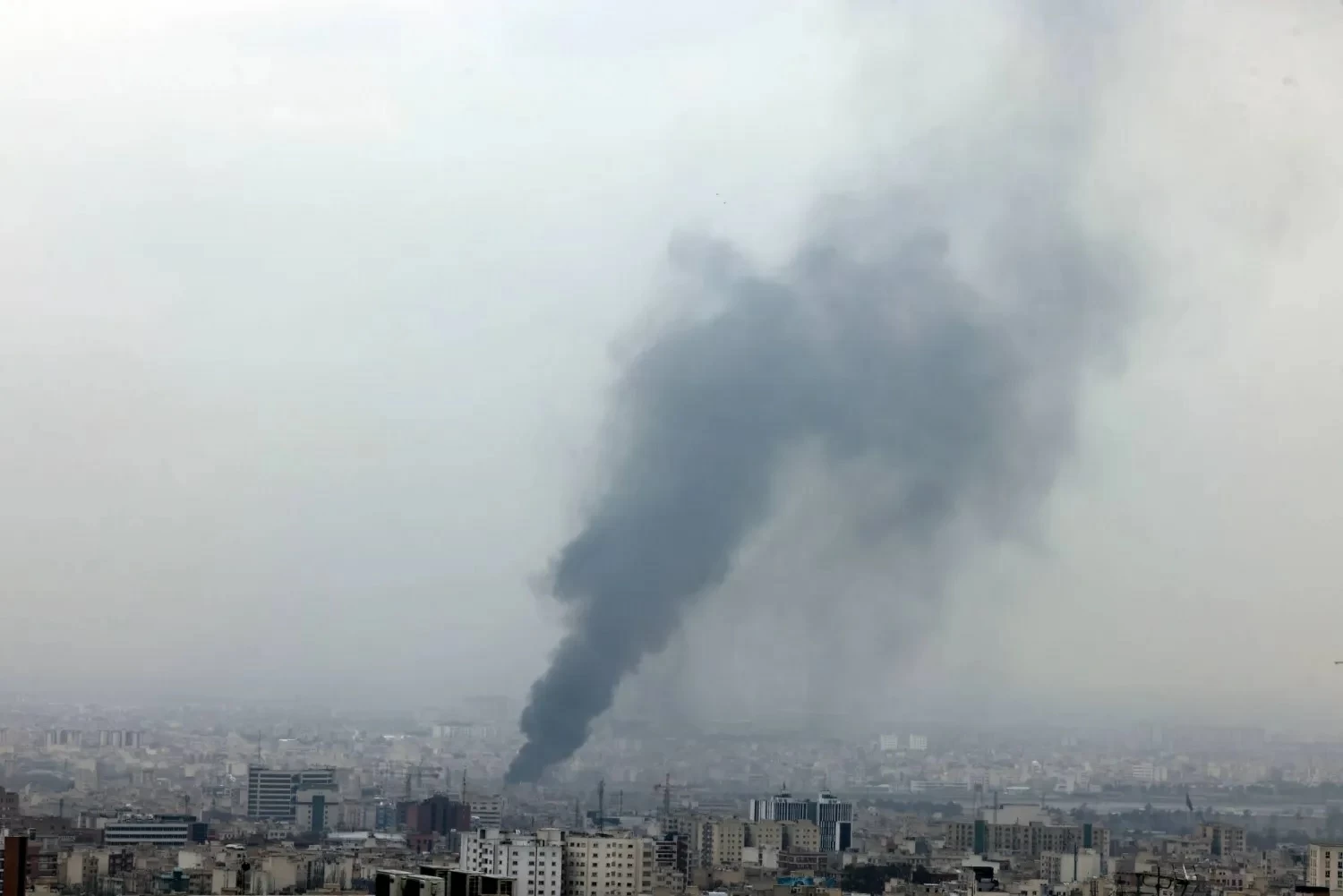
The World Health Organization warned on Tuesday of the potential health risks of what is known as “black rain,” which has been reported in areas of Iran following airstrikes targeting oil facilities. The organization indicated that this phenomenon could lead to respiratory issues, supporting recommendations for residents to stay indoors.
Polluted Rain
The UN-affiliated organization, which has an office in Iran and works in coordination with local authorities during health emergencies, reported that it received several reports in recent days indicating the occurrence of rain mixed with oil pollutants.
This came after thick black smoke covered the skies of Tehran on Monday, following the targeting of an oil refinery as part of a series of strikes affecting local energy supplies, amid the escalation linked to the campaign led by the United States and Israel.
Potential Danger
During a press conference in Geneva, WHO spokesperson Christian Lindmeier clarified that “black rain and any accompanying acid rain indeed pose a risk to the population, particularly concerning respiratory health.”
He added that Iranian authorities advised residents to stay indoors as a precautionary measure, which the organization considered an appropriate step under the current circumstances.
Air Quality Concerns
When asked about the organization’s stance on this recommendation, Lindmeier confirmed that the damage to oil storage facilities and refineries, along with the resulting fires and heavy emissions, raised serious concerns regarding air quality, making it reasonable to reduce direct exposure to outdoor air at this time.