
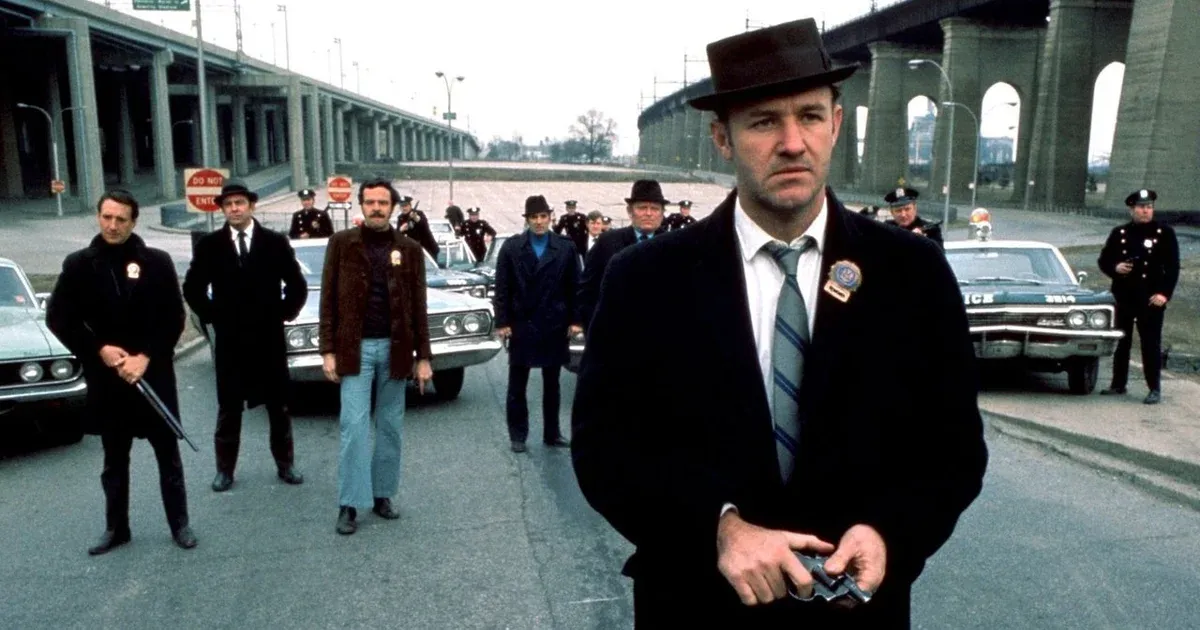
There’s a reason The French Connection still feels like it could burn a hole through your screen. No orchestral grandeur. No Hollywood sheen. Just cold New York streets, breath hanging in the air, and a cast that made every frame feel dangerously real.
But more than fifty years on from that 1971 Best Picture win, what happened to The French Connection cast then and now? The answer is sobering. Most of the ensemble has passed away — several within the last few years alone.
Gene Hackman, who defined the film as the volatile Popeye Doyle, died in February 2025 at the age of 95 from cardiovascular disease. Roy Scheider died in 2008, Fernando Rey in 1994, and Tony Lo Bianco in June 2024. Of the principal cast, only Arlene Farber appears to remain among the living. The 1971 thriller won five Academy Awards including Best Picture and remains a landmark of American crime cinema — though its legacy now belongs almost entirely to the past tense.
What follows is the full story of what happened to each of them.
Gene Hackman — Detective Jimmy “Popeye” Doyle
Gene Hackman didn’t just play Popeye Doyle. He inhabited him — and the film industry was never quite the same afterwards.
Born on 30 January 1930 in San Bernardino, California, Hackman had already turned heads with a Best Supporting Actor nomination for Bonnie and Clyde (1967). But The French Connection made him a star. His Popeye is volatile, obsessive, frequently unpleasant — and impossible to look away from. William Friedkin didn’t even want him for the part initially, having pursued Jackie Gleason, columnist Jimmy Breslin, and even Peter Boyle before reluctantly casting Hackman just days before shooting began.
It turned out to be one of the great happy accidents in cinema. Hackman won the Academy Award for Best Actor, and his career exploded: The Conversation (1974), Superman (1978), Hoosiers (1986), Mississippi Burning (1988). A second Oscar followed for Unforgiven (1992). He retired from acting after Welcome to Mooseport in 2004, retreating to a quiet life in Santa Fe, New Mexico with his wife, classical pianist Betsy Arakawa.
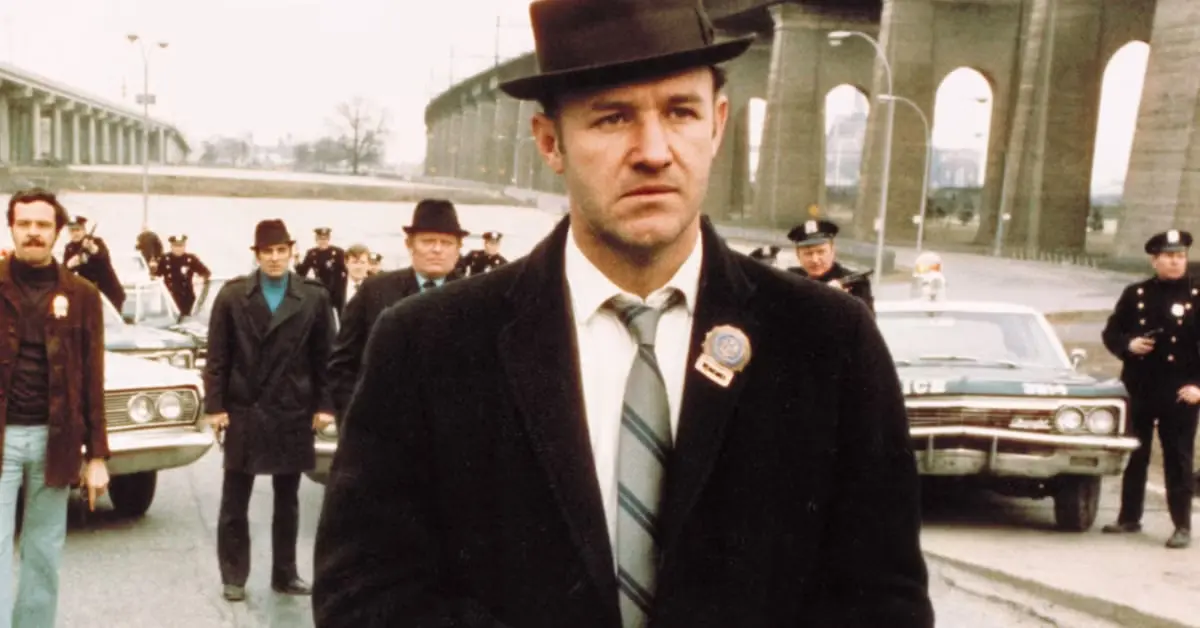
Popeye Doyle isn’t just a character. He’s a warning. About what obsession does to decent instincts. About the paper-thin line between enforcing the law and breaking it. Hackman understood that, and he never flinched from it.
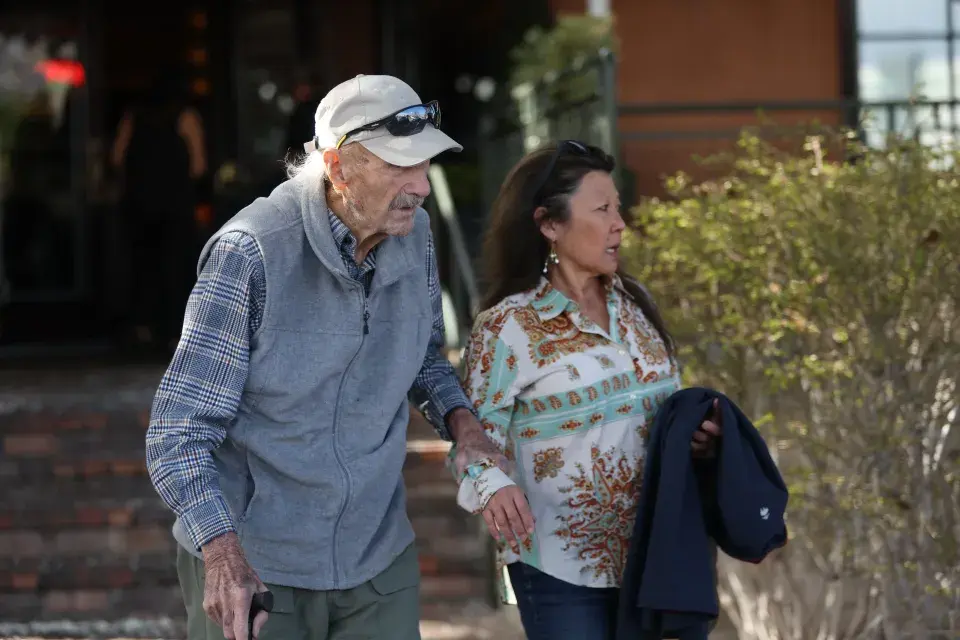
The circumstances of his death were deeply sad. On 26 February 2025, maintenance workers discovered the bodies of Hackman, Arakawa, and one of their dogs inside their Santa Fe home. Autopsy reports later confirmed Hackman died around 18 February from hypertensive atherosclerotic cardiovascular disease, with advanced Alzheimer’s disease listed as a significant contributing factor. Arakawa had died approximately a week earlier from hantavirus pulmonary syndrome. Hackman may not have been aware his wife had passed.
He was 95 years old. The boy from San Bernardino who’d been told he had no future in acting left behind two Academy Awards, four Golden Globes, and a body of work that redefined what American screen acting could be.
Roy Scheider — Detective Buddy “Cloudy” Russo
If Hackman was fire, Roy Scheider was control.
As Buddy Russo — the fictionalised version of real-life detective Sonny Grosso — Scheider played the steadier half of the partnership. He’s the one who watches, who waits, who sees the angles Popeye is too wired to notice. It’s a masterclass in reactive performance, and the Academy recognised it with a Best Supporting Actor nomination.
Born on 26 November 1932 in Orange, New Jersey, Scheider had an athletic background — he boxed as a young man and carried that physical precision into every role. Friedkin cast him almost immediately after a single meeting, having seen him perform as a cigar-smoking nun in a Jean Genet play. That range defined his career.
After The French Connection, Scheider reunited with Tony Lo Bianco in The Seven-Ups (1973) — a connection that ran deeper than shared screen time. Both men had passed through Lo Bianco’s Triangle Theatre in the 1960s, a small New York company that shaped a generation of working actors. Scheider went on to lead Jaws (1975), earn a Best Actor nomination for All That Jazz (1979), and anchor dozens of films that traded on his quiet intensity — Marathon Man (1976), 52 Pick-Up (1986), Naked Lunch (1991).
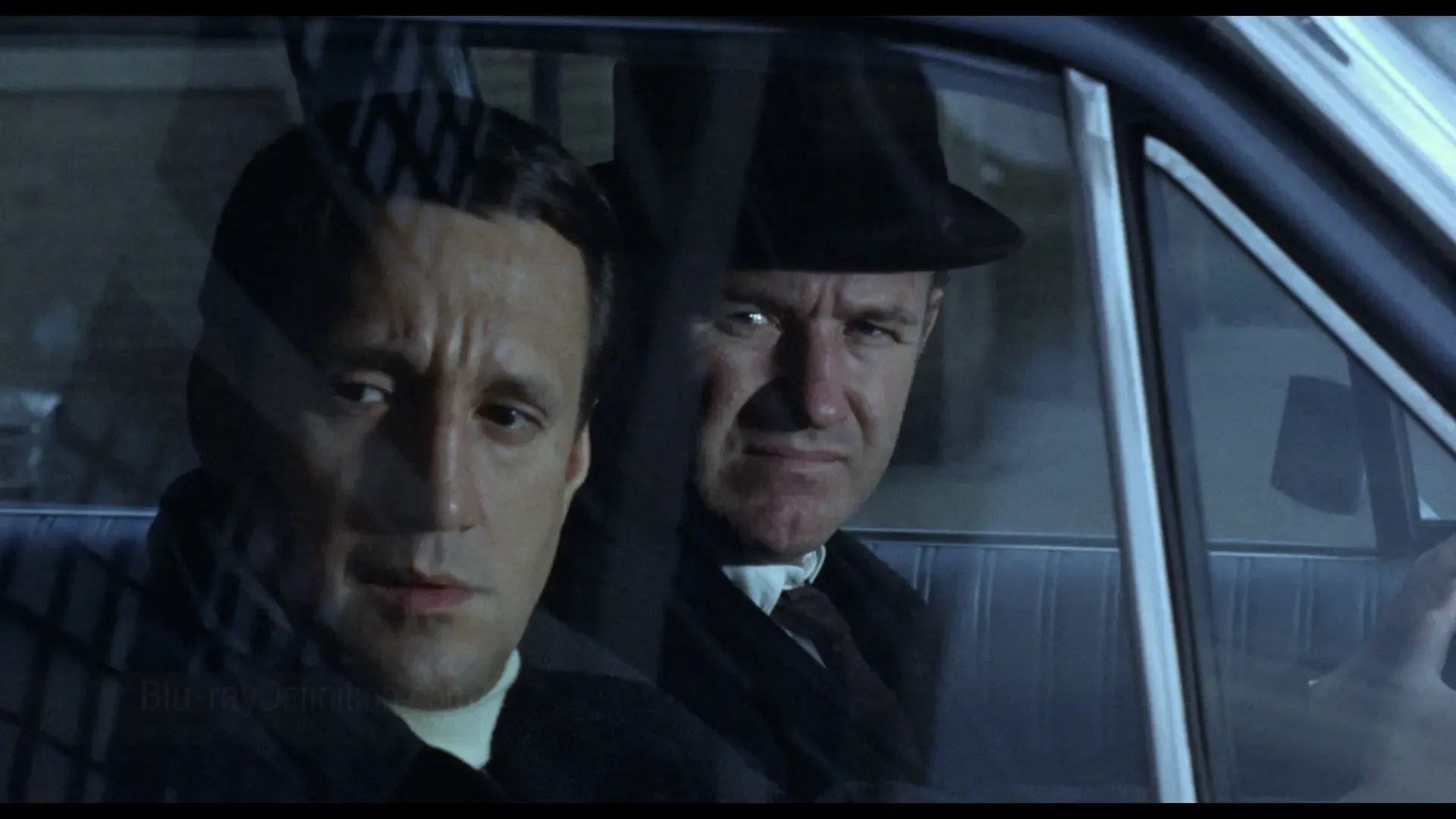
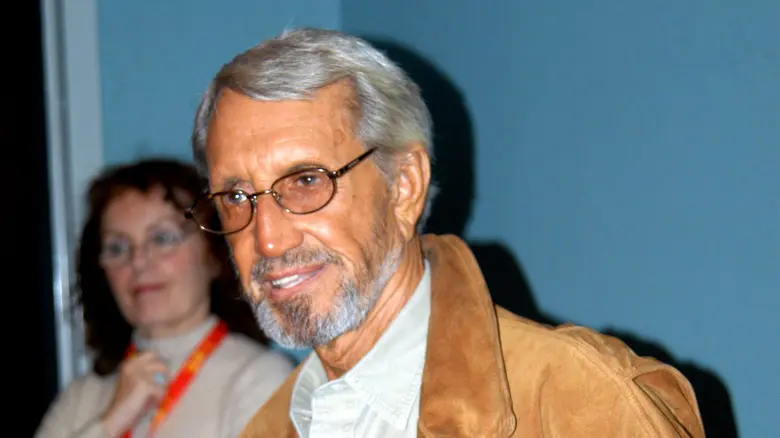
Scheider was diagnosed with multiple myeloma in 2004. He continued working intermittently but the disease was aggressive. He died on 10 February 2008 in Little Rock, Arkansas, at the age of 75.
He never became the megastar Hackman did. But there’s an argument that Scheider was the more consistent screen presence — always watchable, always precise, never wasting a single gesture. In The French Connection, he’s the calm centre of a film that has none.
Fernando Rey — Alain Charnier
Here’s one of cinema’s great ironies: Fernando Rey was never supposed to be in The French Connection at all.
Friedkin had watched Luis Buñuel’s Belle de Jour (1967) and been captivated by a Spanish actor he couldn’t name. He told his casting director to find the man — and the casting director came back with Fernando Rey. When Friedkin went to collect his new star at Kennedy Airport, he didn’t recognise the immaculately dressed gentleman who approached him. This wasn’t the rough-looking Corsican type he’d envisioned. This was a man who looked, in Friedkin’s words, “like a duke.”
The actor Friedkin had actually wanted was Francisco Rabal. By the time the mistake was discovered, Rabal was unavailable and spoke neither English nor French. Rey spoke no French either — he was Spanish — and refused to shave his goatee. Friedkin later joked about the situation with characteristic bluntness:
“So we went with Gene Hackman, who I didn’t want, in one lead, and Fernando Rey, who I didn’t want, in the other.”
Sometimes you get lucky.
Rey’s Alain Charnier became one of cinema’s most elegant villains — a smooth, cultured heroin smuggler who outmanoeuvres the cops at nearly every turn. Based on the real-life drug lord Jean Jehan, Charnier is the kind of antagonist who makes you understand why the good guys lose. Rey brought a continental sophistication that no amount of casting could have planned, turning a logistical error into one of the defining performances of 1970s crime cinema.
Born on 20 September 1917 in A Coruña, Spain, Rey had fought on the Republican side during the Spanish Civil War and spent decades building a career in European cinema before his unlikely Hollywood breakthrough. He became a key collaborator with Buñuel — starring in Viridiana (1961), Tristana (1970), The Discreet Charm of the Bourgeoisie (1972), and That Obscure Object of Desire (1977). He won the Best Actor prize at the 1977 Cannes Film Festival and reprised Charnier in French Connection II (1975).
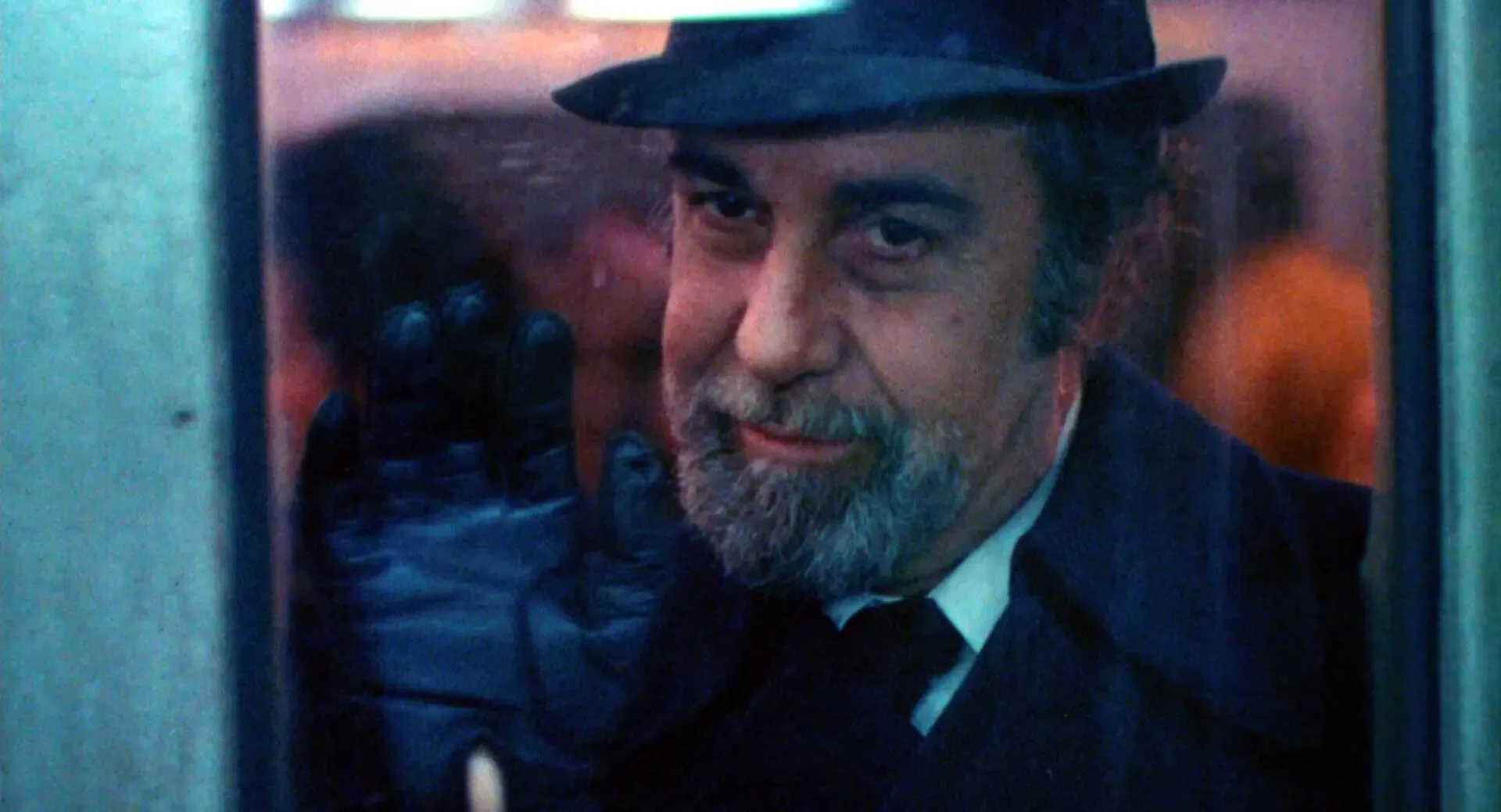
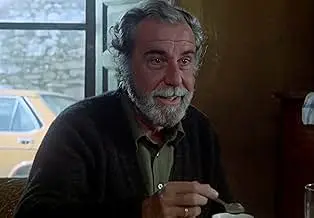
Fernando Rey died of bladder cancer in Madrid on 9 March 1994. He was 76. Producer Philip D’Antoni described him as “the last of the Continental guys” — and it’s hard to argue with that.
Tony Lo Bianco — Sal Boca
Tony Lo Bianco plays Sal Boca as a man who’s louder than his position warrants — all flash and no insulation. He’s the low-level operator with too much cash and too little discretion, the kind of energy that gets you noticed by exactly the wrong people. Which is, of course, exactly what happens.
Born on 19 October 1936 in Brooklyn, New York, Lo Bianco was a Golden Gloves boxer before he was an actor. He co-founded the Triangle Theatre in 1963, a small but influential company where future collaborators including Roy Scheider and lighting designer Jules Fisher cut their teeth. His breakthrough came with The Honeymoon Killers (1970) — a film François Truffaut called his favourite American movie — followed immediately by The French Connection.
I think what makes Lo Bianco so effective in The French Connection is how naturally he inhabits the New York street-level ecosystem. There’s no performance happening. He simply is Sal Boca — a flashy guy running a modest luncheonette who clearly has money he shouldn’t have. It’s the same quality he brought to The Seven-Ups (1973), where he reunited with Scheider as a crooked undertaker, and to his Tony-nominated turn as Eddie Carbone in Arthur Miller’s A View from the Bridge on Broadway in 1983.
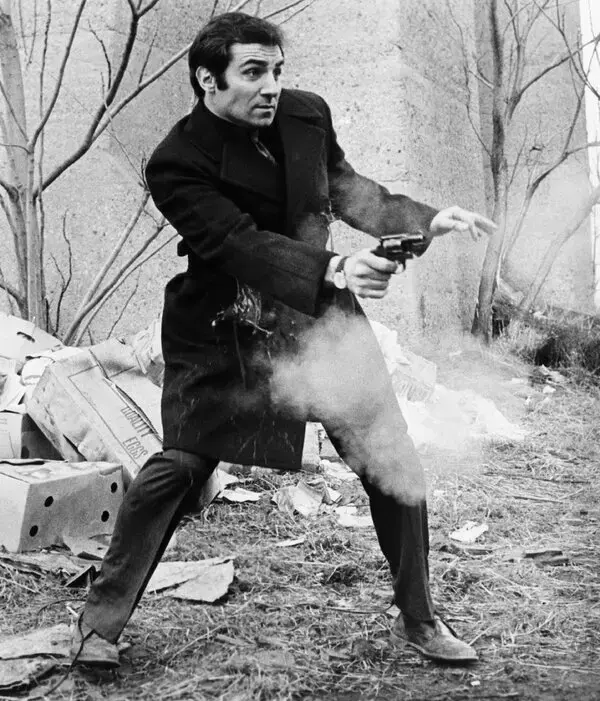
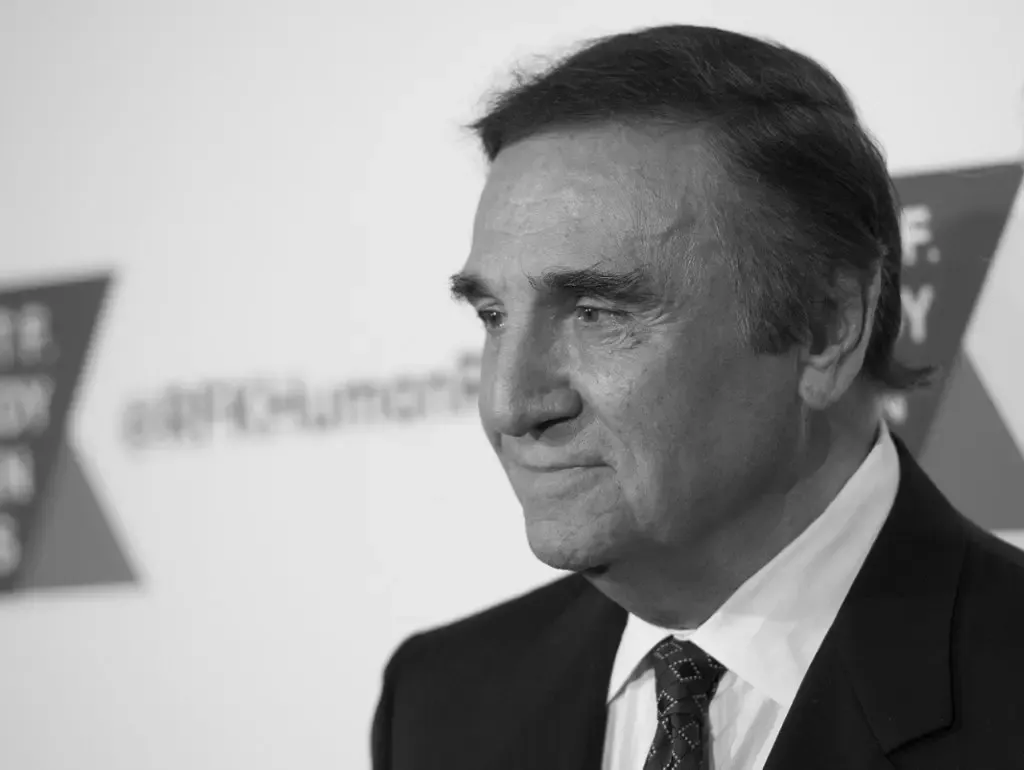
Lo Bianco continued working into his eighties, his final feature performance coming in Somewhere in Queens (2022) alongside Ray Romano. He died of prostate cancer at his horse farm in Poolesville, Maryland, on 11 June 2024, at the age of 87. His wife Alyse was by his side.
The screenplay by Ernest Tidyman — adapted from Robin Moore’s 1969 non-fiction book about the real detectives Eddie Egan and Sonny Grosso — turned a genuine heroin bust into a piece of raw, documentary-style filmmaking that changed what studio pictures could look and feel like. The car chase beneath the elevated Brooklyn train tracks remains one of cinema’s most visceral sequences, filmed at speeds up to 90 mph in real traffic with stunt coordinator Bill Hickman at the wheel.
No glamour. No safety net. Just a conviction that the camera should feel as desperate and single-minded as the characters it’s following.
The Supporting Cast — Where Are They Now?
Marcel Bozzuffi — Pierre Nicoli
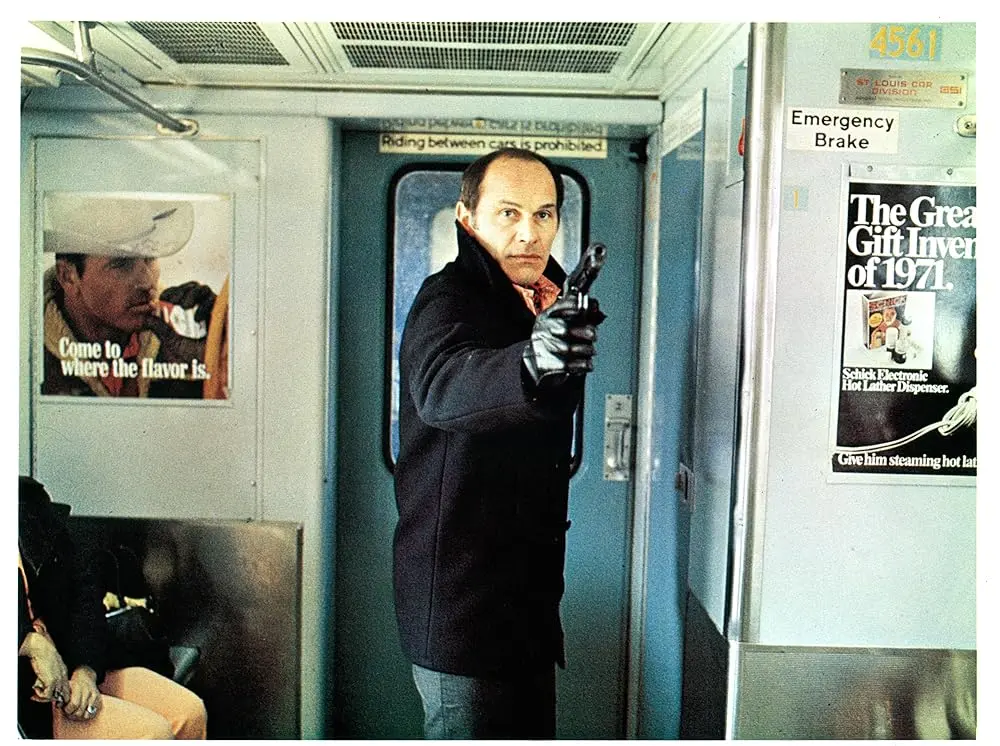
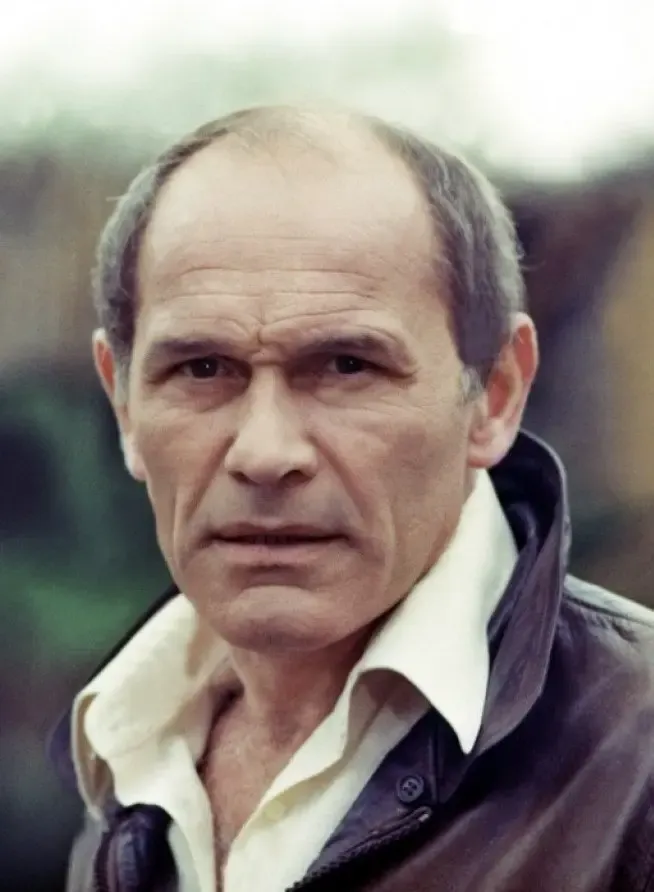
Marcel Bozzuffi didn’t need many scenes to leave a mark. As Pierre Nicoli, the hitman known as “Frog Two,” he’s the physical threat that Charnier himself never needs to be — cold, efficient, and ultimately the target of the film’s iconic elevated-train chase. Before The French Connection, Bozzuffi was already a fixture of French cinema, with roles in Z (1969) and a career spanning decades of European productions. The French-born actor died on 1 February 1988 at the age of 58. His early death robbed international cinema of a character actor with genuine menace.
Bill Hickman — Agent Mulderig
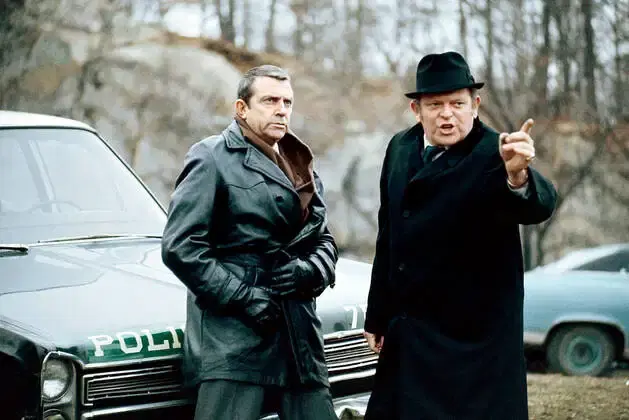
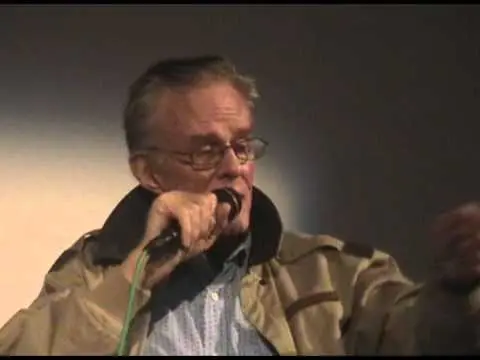
Most actors are remembered for their dialogue. Bill Hickman is remembered for tyre smoke. As federal agent Mulderig — the bureaucrat who clashes with Popeye throughout the film and is accidentally shot by him in the climax — Hickman was a last-minute replacement. But his real contribution was behind the wheel. A legendary stunt driver whose credits included Bullitt (1968) and The Seven-Ups (1973), Hickman drove the brown 1971 Pontiac LeMans at speeds up to 90 mph through Brooklyn with Friedkin manning the camera from the back seat. He’d also been a close friend of James Dean, driving the actor’s station wagon on the day of Dean’s fatal crash in 1955. Hickman died of cancer on 24 February 1986, aged 65.
Eddie Egan — Captain Walt Simonson
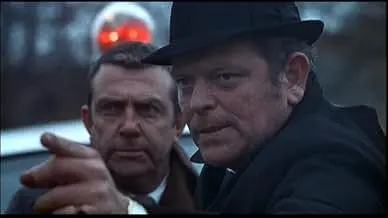
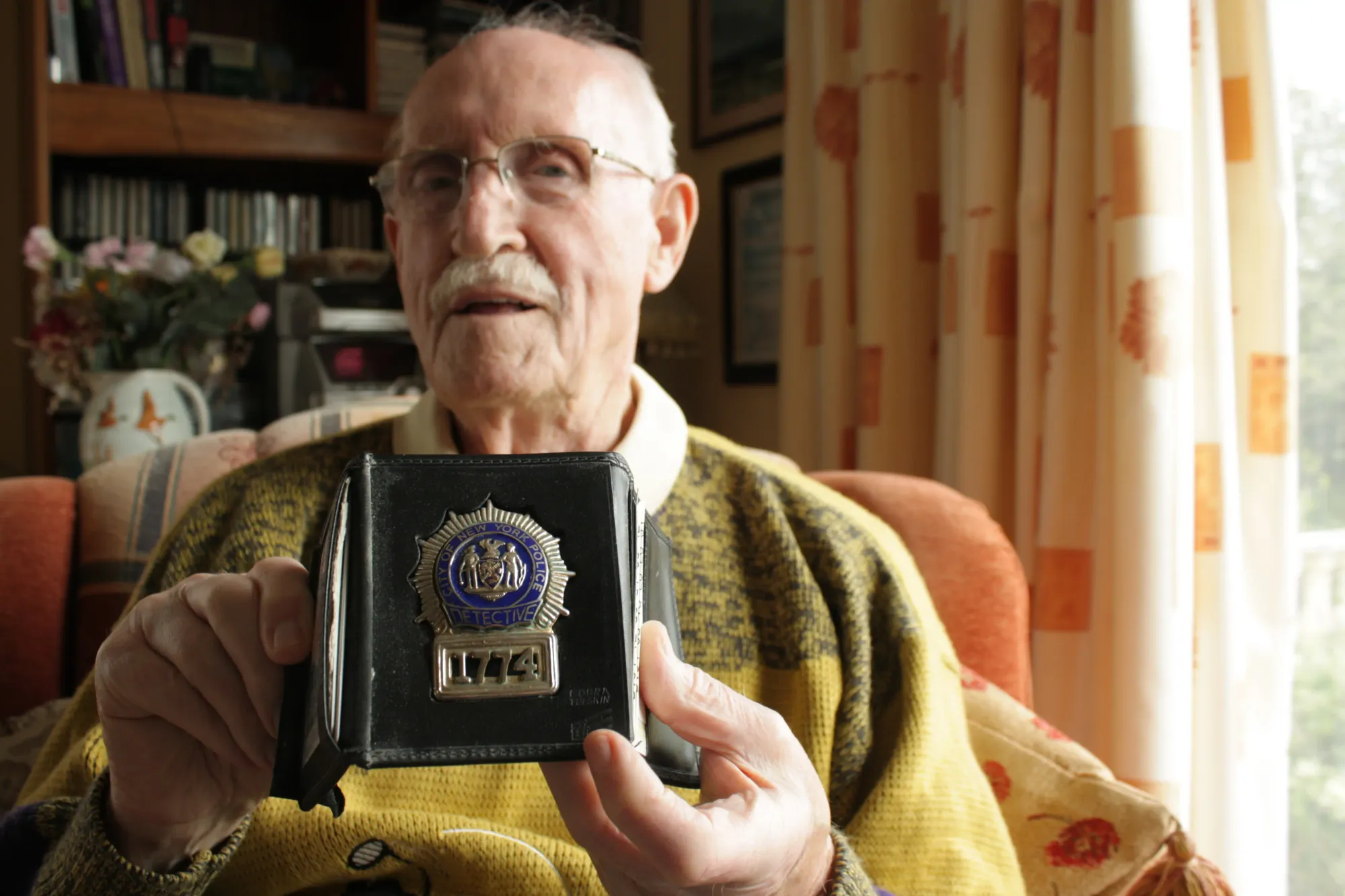
There’s something uncanny about watching the real Popeye stand alongside his fictional counterpart. Eddie Egan, the NYPD detective whose exploits inspired the entire film, appears on screen as Walt Simonson — the supervisor of Doyle and Russo. In effect, he played his own boss. Having the actual detective alongside the actors playing fictionalised versions of his colleagues creates something no amount of method preparation can replicate. After retiring from the force, Egan moved into acting full-time, appearing in over 20 films and television shows. He died of colon cancer in Fort Lauderdale, Florida, on 4 November 1995, aged 65.
Sonny Grosso — Agent Clyde Klein
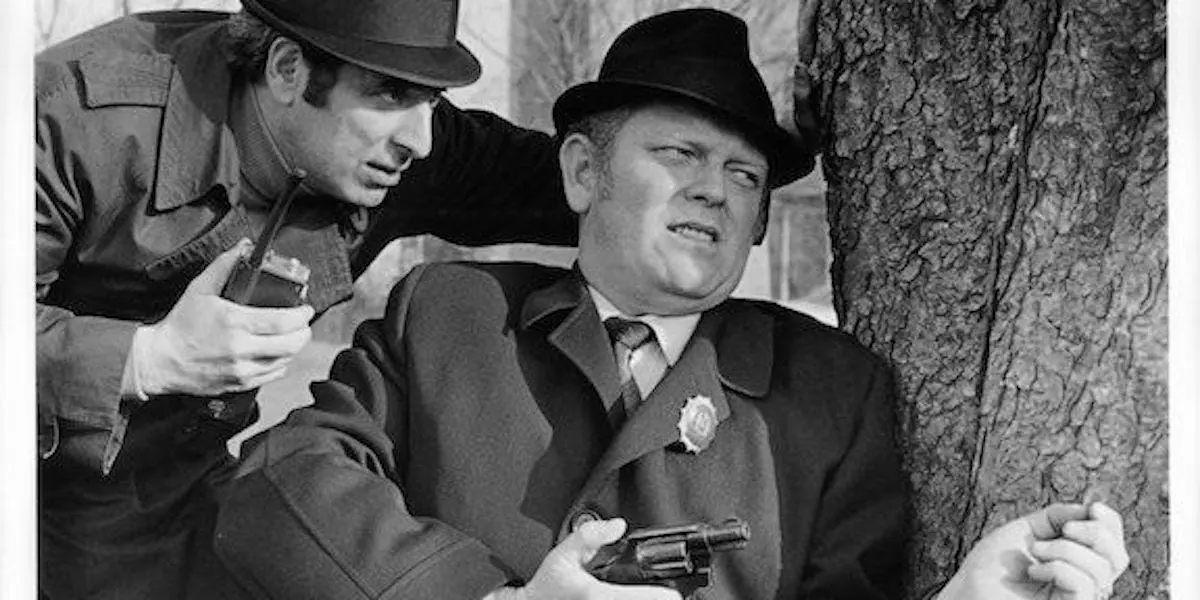
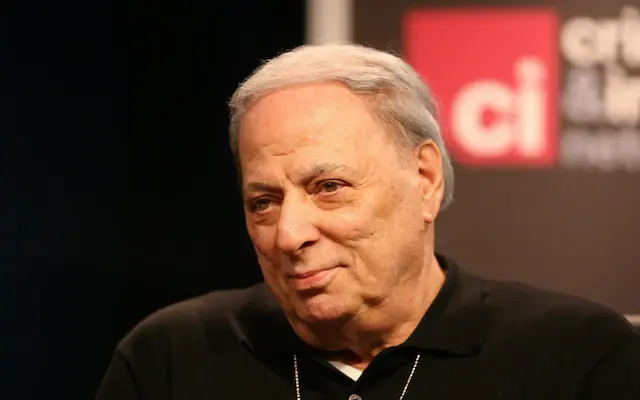
Sonny Grosso turned his French Connection experience into an entirely second career. The real-life Buddy Russo — whose pessimistic temperament earned him the nickname “Cloudy” (the opposite of “Sonny”) — played federal agent Clyde Klein in the film before pivoting to producing. His credits included Kojak, Baretta, and Night Heat, and he served as a technical adviser on The Godfather (legend has it his personal service revolver was the gun Al Pacino retrieves in the restaurant scene). Grosso died on 22 January 2020 in Manhattan following a long illness. He was 89.
Ann Rebbot — Marie Charnier
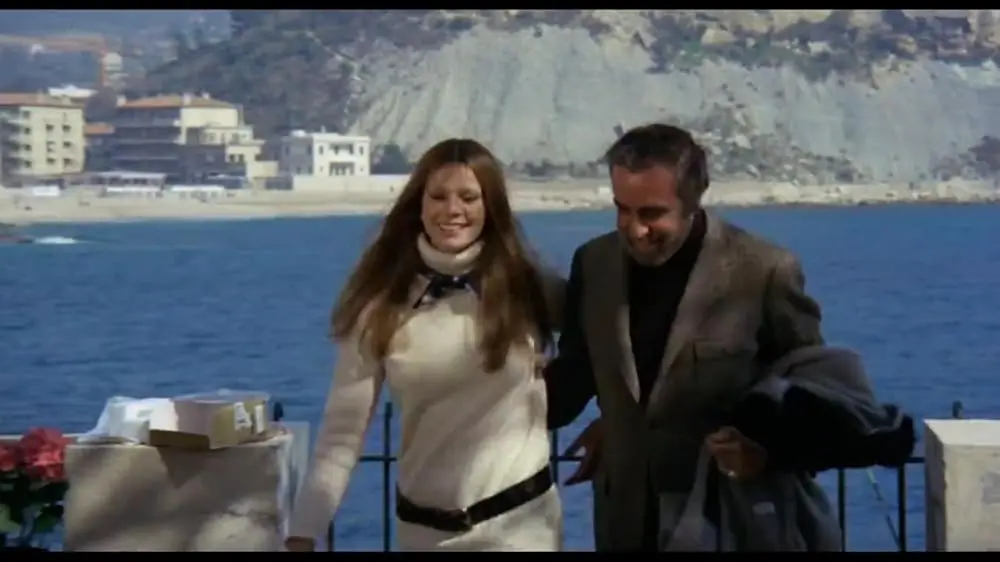
Ann Rebbot’s role as Marie Charnier is brief but elegant — the composed wife of the film’s smooth villain, a woman who exists in a world of fine dining and quiet complicity. Beyond The French Connection, reliable information about her subsequent career remains scarce. Whether she continued acting in European productions or stepped away entirely is unclear, making her one of the ensemble’s most enigmatic figures.
Arlene Farber — Angie Boca
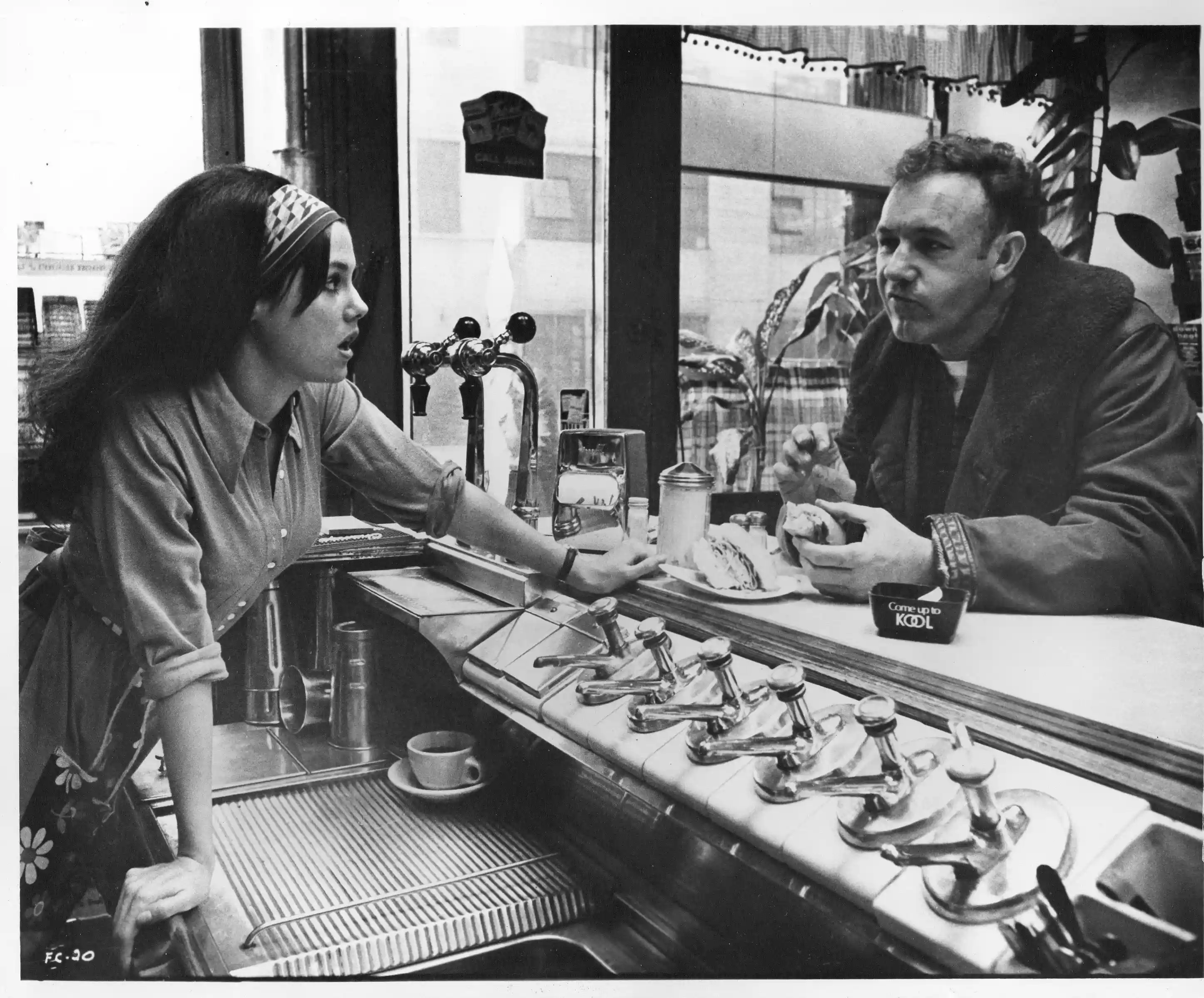
Arlene Farber played Angie Boca, the wife of Lo Bianco’s flashy street-level operator. It’s a small role but a grounding one — she’s the domestic reality behind Sal’s dangerous ambitions. Farber appears to be among the few surviving members of the principal cast. She would be approximately 79 if alive today, though public information about her recent years is limited.
The Legacy of The French Connection Cast
Looking back across the French Connection cast then and now, what strikes me isn’t just the talent — it’s the authenticity. Friedkin built this film from real streets, real detectives, and real accidents. He cast a man he didn’t want in the lead. He hired a villain by mistake. He let a stunt driver friend of James Dean stage a car chase at 90 mph through Brooklyn traffic with the camera rolling and no one quite sure what would happen next.
Gene Hackman is gone now. So are Roy Scheider, Fernando Rey, Tony Lo Bianco, and nearly everyone who made this film what it was. But their work hasn’t aged a day. The French Connection still feels like a live wire — urgent, unpolished, committed to showing you something real even when the reality is uncomfortable.
Like the final shot of the film itself — abrupt, unresolved, and lingering long after it’s over.
How Many Academy Awards Did The French Connection Win?
The French Connection won five Academy Awards at the 44th ceremony in April 1972: Best Picture, Best Director (William Friedkin), Best Actor (Gene Hackman), Best Film Editing (Jerry Greenberg), and Best Adapted Screenplay (Ernest Tidyman). It received three additional nominations — Best Supporting Actor (Roy Scheider), Best Cinematography (Owen Roizman), and Best Sound.
Is Anyone From The French Connection Cast Still Alive?
As of 2026, the vast majority of The French Connection cast has passed away. Gene Hackman (died February 2025), Roy Scheider (died 2008), Fernando Rey (died 1994), Tony Lo Bianco (died 2024), Marcel Bozzuffi (died 1988), Bill Hickman (died 1986), Eddie Egan (died 1995), and Sonny Grosso (died 2020) have all died. Arlene Farber appears to be among the surviving cast members, though she has maintained a low public profile in recent decades.
Where Was The French Connection Filmed?
The French Connection was filmed almost entirely on location in New York City during the brutal winter of 1970–71. Key locations included the streets of Brooklyn — particularly the Bensonhurst neighbourhood where the famous car-chase-beneath-the-elevated-train sequence was shot along 86th Street — as well as parts of Manhattan and Ward’s Island. Friedkin deliberately avoided studio settings, seeking a documentary feel that captured the city’s gritty, lived-in texture. Some scenes were also filmed in Marseille, France, during the opening sequence.