
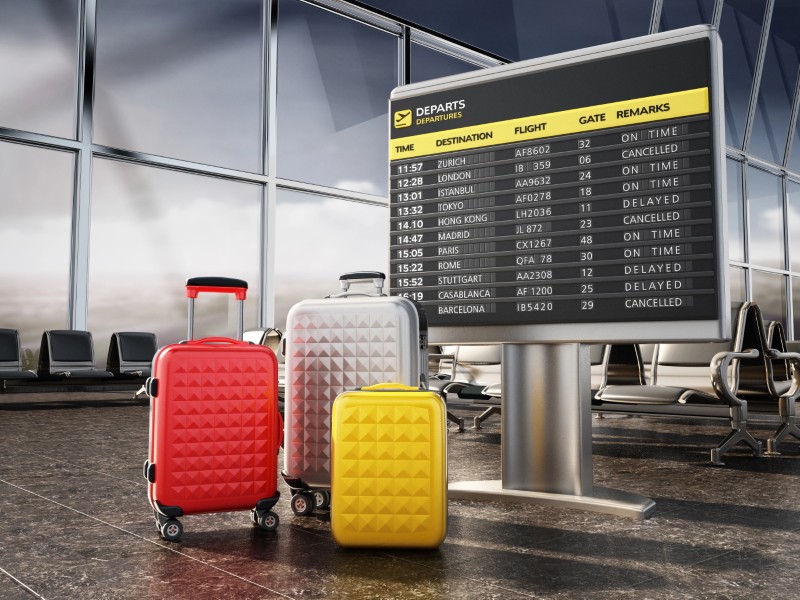
Few travel disruptions are as frustrating as arriving at the airport only to discover that your flight has been canceled. Whether you’re traveling for business, visiting family, or heading on vacation, a canceled flight can quickly disrupt your plans. Fortunately, passengers traveling from or within the European Union benefit from some of the strongest air passenger protection laws in the world.
Under EU Regulation 261/2004, often called EU261, airlines must provide assistance, alternative travel options, and sometimes financial compensation when flights are canceled. Understanding your rights and knowing what steps to take can help you manage the situation effectively and potentially claim compensation when your flight is canceled.
Understanding EU Passenger Rights
EU261 applies to most flights departing from an EU airport, regardless of the airline’s nationality. It also applies to flights arriving in the EU if they’re operated by an EU-based airline. The regulation establishes clear rules regarding passenger rights when flights are canceled, delayed, or when passengers are denied boarding.
When a flight is canceled, the airline must offer passengers several options. These include a full refund of the ticket price or rerouting to the final destination at the earliest opportunity or at a later date convenient to the traveler.
These protections apply regardless of your nationality or where you purchased your ticket, as long as the flight falls within the scope of the regulation.
Step 1: Confirm the Reason for the Cancellation
The first thing to do when your flight is canceled is to speak with the airline and confirm why the cancellation occurred. The reason matters because it determines whether you might be entitled to financial compensation.
If the cancellation is caused by factors within the airline’s control, such as technical problems with the aircraft, operational issues, or staff shortages, passengers may qualify for compensation.
However, airlines are not required to pay compensation if the cancellation results from what EU law calls extraordinary circumstances. These include severe weather conditions, political instability, airport closures, security risks, or air traffic control strikes. In these cases, the airline must still assist passengers but is not obligated to pay compensation.
Understanding the reason for the cancellation will help you determine your next steps.
Step 2: Choose Between Refund or Rebooking
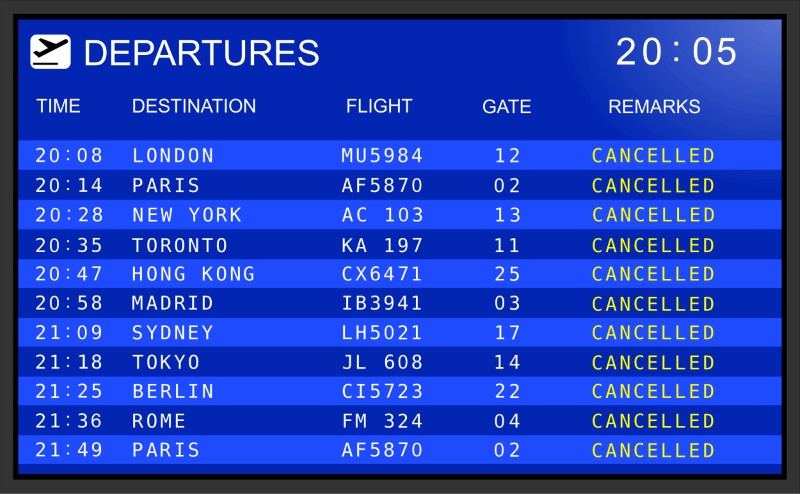
When your flight is canceled, EU law gives you a choice between several alternatives.
You can request a full refund of your ticket. This refund must cover the unused portion of your journey. If your trip involved connecting flights and the cancellation makes the remainder of the journey pointless, the airline may also need to provide a return flight to your original departure airport.
Alternatively, you can ask to be rebooked on another flight to your final destination. Airlines are required to offer rerouting under comparable transport conditions as soon as possible.
In some cases, airlines may offer rerouting at a later date that suits you better. This option can be useful if your travel plans are flexible.
Step 3: Know Your Right to Care
Even if the airline isn’t responsible for the cancellation, it still has a duty to care for passengers who are stranded at the airport.
This duty includes providing meals and refreshments appropriate to the waiting time. Passengers are also entitled to communication assistance, such as the ability to make phone calls or send emails. If the new flight departs the next day, the airline must provide hotel accommodation and transportation between the airport and the hotel.
If the airline fails to provide these services, you may pay for reasonable expenses yourself and request reimbursement later. Be sure to keep all your receipts.
Step 4: Check If You’re Entitled to Compensation
One of the most important aspects of EU261 is the possibility of financial compensation when flights are canceled. The amount of compensation depends on the flight distance and the circumstances surrounding the cancellation.
In general, passengers may receive:
€250 for flights up to 1,500 kilometers
€400 for flights between 1,500 and 3,500 kilometers
€600 for flights longer than 3,500 kilometers
Compensation typically applies if the airline cancels the flight less than 14 days before departure and the disruption was within the airline’s control.
However, compensation may be reduced or not paid if the airline provides an alternative flight that arrives close to the original scheduled arrival time.
Understanding these rules is essential if you want to claim compensation when your flight is canceled.
Step 5: Gather Evidence
If you intend to claim compensation, documentation is essential.
Keep the following items whenever possible:
Boarding passes or booking confirmations
Emails or notifications from the airline
Photos of airport departure boards showing the cancellation
Receipts for meals, transportation, or accommodation
Written communication with airline staff
These records can help support your claim and prove that the cancellation disrupted your journey.

Step 6: Submit a Compensation Claim
Passengers can submit a compensation request directly to the airline. Most airlines offer online forms where you can provide your flight details and describe what happened.
The airline will review the claim and determine whether compensation is owed under EU261 rules. In some cases, airlines may initially reject claims by arguing that the cancellation resulted from extraordinary circumstances.
If this happens, passengers may escalate the issue by filing a complaint with the national aviation authority or using a third party claims service.
Using Compensation Services
Many travelers choose to use specialized claim companies that handle compensation cases on their behalf. Services such as AirHelp assist passengers by managing the claim process and negotiating with airlines.
These companies usually operate on a no win, no fee basis, meaning they take a percentage of the compensation only if the claim is successful.
For travelers unfamiliar with the legal process, such services can simplify the process of obtaining compensation when your flight is canceled.
How Long Do You Have to Claim?
The deadline to claim compensation varies by country because national laws determine the limitation period.
In many European countries, passengers have several years to submit a claim. This means that even if you didn’t immediately pursue compensation after your flight cancellation, you may still be eligible to file a claim later.
However, it’s always best to begin the process as soon as possible while the details of the journey are still fresh and documentation is easily available.
Practical Tips to Reduce Travel Disruption
While you can’t always prevent a flight cancellation, a few practical steps can make disruptions easier to manage.
First, sign up for airline notifications so you receive updates about schedule changes before arriving at the airport. Many cancellations are communicated hours in advance through email or mobile apps.
Second, travel with essential items in your carry-on luggage, such as medication, chargers, and toiletries. If you have young children, make sure you have enough diapers and supplies to last the night if your checked luggage is unreachable. If your flight is canceled or pushed back severely and you have to stay overnight or even several hours extra, these items can make the experience much more comfortable.
Finally, consider booking flights earlier in the day when possible. Morning departures are statistically less likely to be affected by cascading delays or cancellations later in the day.
The Bottom Line When Your Flight Gets Canceled in Europe
Flight cancellations are inconvenient, but European air passenger rights provide significant protection for travelers. Under EU261 regulations, airlines must offer refunds or rerouting, provide assistance during delays, and in many cases pay financial compensation.
By understanding your rights, documenting the disruption, and submitting a claim when appropriate, you can turn a frustrating travel experience into a manageable situation. In many cases, passengers may be eligible for compensation when your flight is canceled, helping offset the inconvenience caused by the disruption.
For travelers flying from or within the European Union, knowing these rights can make a major difference when unexpected cancellations occur.