
This article is part of “Innovations In: Kidney Disease,” an editorially independent special report that was produced with financial support from Vertex.
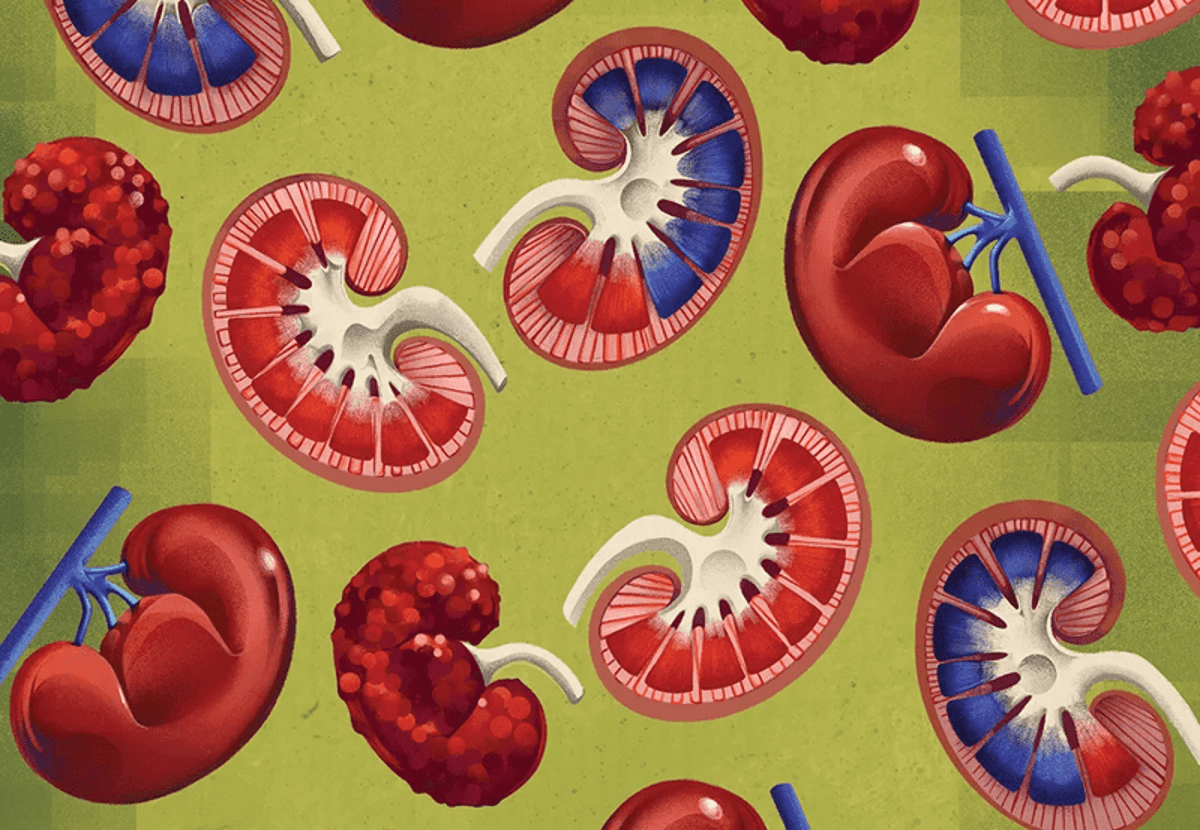
Although more than one in seven adults in the U.S. have chronic kidney disease, as many as 90 percent of them don’t know they have it. Left untreated, the kidneys can become irreparably damaged. Poor diagnosis and the progression of harm have led to increased rates of serious kidney problems around the globe, as Now Medical Studios and Jen Christiansen illustrate. But with greater prevalence comes greater scrutiny, which has led to an influx of new treatments. Tara Haelle details how these medications emerged from a renewed look at existing drugs for diabetes and cardiovascular disease, given that kidney health and these conditions are so closely intertwined.
There is also good news for hopeful parents. In the recent past OB/GYNs advised their patients with chronic kidney disease to avoid pregnancy—both because it could endanger their own health and because it was difficult for compromised kidneys to support a fetus. But as Cassandra Willyard writes, researchers have made important strides in helping such people have healthy pregnancies. Another area that has advanced rapidly during the past few years is the treatment of autoimmune kidney disease. As Charles Schmidt reports, new medications for the deadly disease of IgA nephropathy are here, and they are allowing physicians to help patients who previously had few to no options. Now, however, the trick will be diagnosing them as early as possible.
On supporting science journalism
If you’re enjoying this article, consider supporting our award-winning journalism by subscribing. By purchasing a subscription you are helping to ensure the future of impactful stories about the discoveries and ideas shaping our world today.
As helpful as medications can be for treating kidney disease, some drugs aimed at other conditions can harm kidneys or even cause them to fail. For hospitalized patients, balancing the risks and benefits of these meds can prove particularly tricky. But, as Jyoti Madhusoodanan explains, researchers are creating a system that can flag those patients most in danger so they can be monitored and their care reassessed to avoid permanent damage.
The common goal of these new initiatives is to keep kidneys as healthy as possible for as long as possible. Living with chronic kidney disease can be grueling, and people with kidney failure must make time for dialysis at least three to four times a week. Charlotte Huff spoke with three individuals whose lives have been dictated by their disease. These people’s stories paint a picture of resilience and determination. There are a multitude of ways to navigate this disease, and its prognosis is improving with every passing year.
It’s Time to Stand Up for Science
If you enjoyed this article, I’d like to ask for your support. Scientific American has served as an advocate for science and industry for 180 years, and right now may be the most critical moment in that two-century history.
I’ve been a Scientific American subscriber since I was 12 years old, and it helped shape the way I look at the world. SciAm always educates and delights me, and inspires a sense of awe for our vast, beautiful universe. I hope it does that for you, too.
If you subscribe to Scientific American, you help ensure that our coverage is centered on meaningful research and discovery; that we have the resources to report on the decisions that threaten labs across the U.S.; and that we support both budding and working scientists at a time when the value of science itself too often goes unrecognized.
In return, you get essential news, captivating podcasts, brilliant infographics, can’t-miss newsletters, must-watch videos, challenging games, and the science world’s best writing and reporting. You can even gift someone a subscription.
There has never been a more important time for us to stand up and show why science matters. I hope you’ll support us in that mission.