
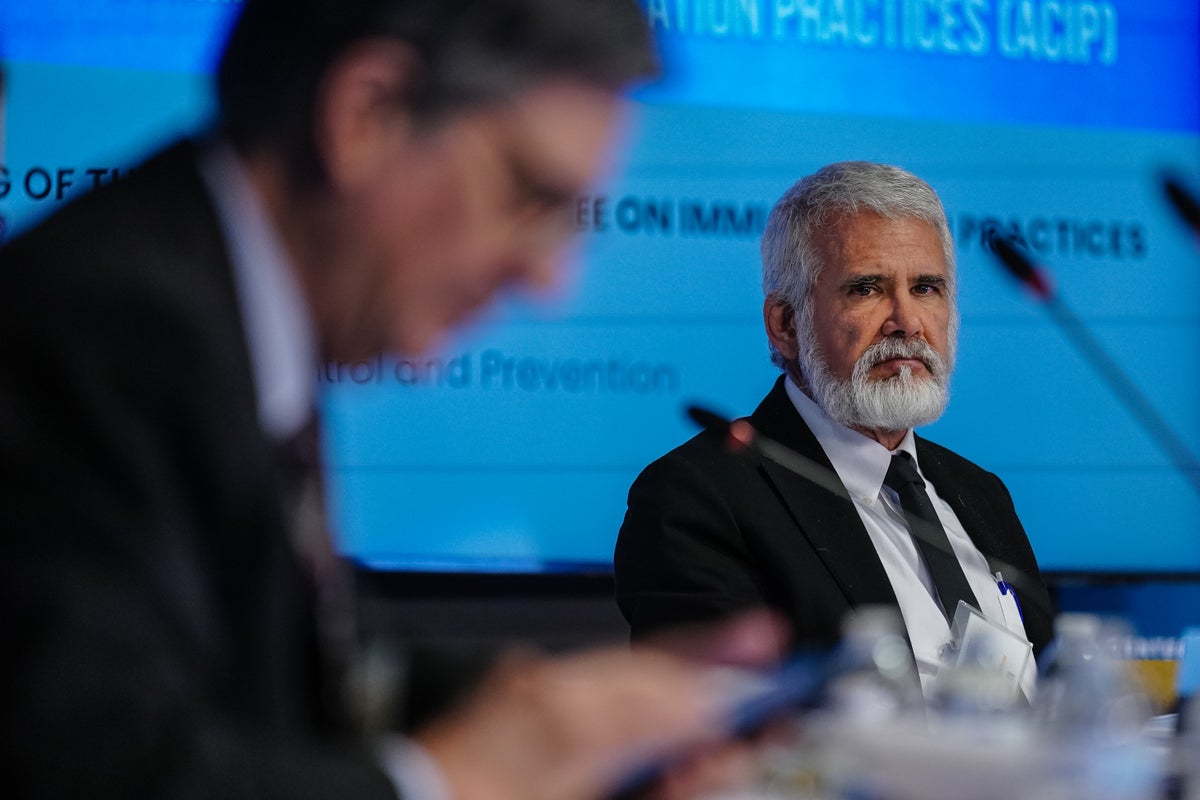

Influential vaccine advisory panel may be ‘disbanded’ after lawsuit, says former vice chair
For years, ACIP has advised U.S. vaccine policy. But after changes to its membership made by health secretary Robert F. Kennedy, Jr., were challenged in court, the Trump administration is apparently changing tack
Photo by Elijah Nouvelage/Getty Images
An influential and independent vaccine advisory panel has apparently been disbanded, according to its former vice chair, Robert Malone. For more than half a century, the Advisory Committee on Immunization Practices (ACIP) has informed U.S. public health policy, helping to set the country’s recommended routine childhood and adult vaccine schedules.
In a social media post on Thursday, Malone said that the Trump administration had made the decision to disband and “recreate a new ACIP committee.” Malone said the move was a response to a lawsuit filed by the American Academy of Pediatrics and five other medical groups that contested the appointments of ACIP members made in the past year by Secretary of Health and Human Services Robert F. Kennedy, Jr.
A federal judge on Monday ruled that Kennedy, a longtime vaccine skeptic, had likely appointed 13 ACIP panelists in violation of the Federal Advisory Committee Act (FACA), which holds that such advisory groups should be “fair and balanced.” The ruling blocked their appointments, effectively stalling ACIP’s work.
On supporting science journalism
If you’re enjoying this article, consider supporting our award-winning journalism by subscribing. By purchasing a subscription you are helping to ensure the future of impactful stories about the discoveries and ideas shaping our world today.
“Any new iteration of the committee must conform to the laws at issue in our case, including FACA,” says Richard Hughes, a lead counsel for the AAP in its case against Kennedy. “Anything short of a qualified committee selected through the proper process will meet our challenge.”
According to Malone’s post, the decision to remake ACIP in some fashion “will take less time than would be required to file and prosecute an appeal. There will be no action from the government to respond to the defamatory characterization of the former ACIP members.”
It is unclear if the Trump administration plans to appeal any part of the judge’s decision, which also temporarily blocked sweeping changes to the country’s vaccine recommendations made under Kennedy. At the time of the ruling, spokesperson for the Department of Health and Human Services told Scientific American that the department looked forward to the decision being overturned. HHS and Robert Malone did not immediately respond to a request for comment.
Editor’s Note (3/19/26): This is a breaking news story and will be updated.
It’s Time to Stand Up for Science
If you enjoyed this article, I’d like to ask for your support. Scientific American has served as an advocate for science and industry for 180 years, and right now may be the most critical moment in that two-century history.
I’ve been a Scientific American subscriber since I was 12 years old, and it helped shape the way I look at the world. SciAm always educates and delights me, and inspires a sense of awe for our vast, beautiful universe. I hope it does that for you, too.
If you subscribe to Scientific American, you help ensure that our coverage is centered on meaningful research and discovery; that we have the resources to report on the decisions that threaten labs across the U.S.; and that we support both budding and working scientists at a time when the value of science itself too often goes unrecognized.
In return, you get essential news, captivating podcasts, brilliant infographics, can’t-miss newsletters, must-watch videos, challenging games, and the science world’s best writing and reporting. You can even gift someone a subscription.
There has never been a more important time for us to stand up and show why science matters. I hope you’ll support us in that mission.