
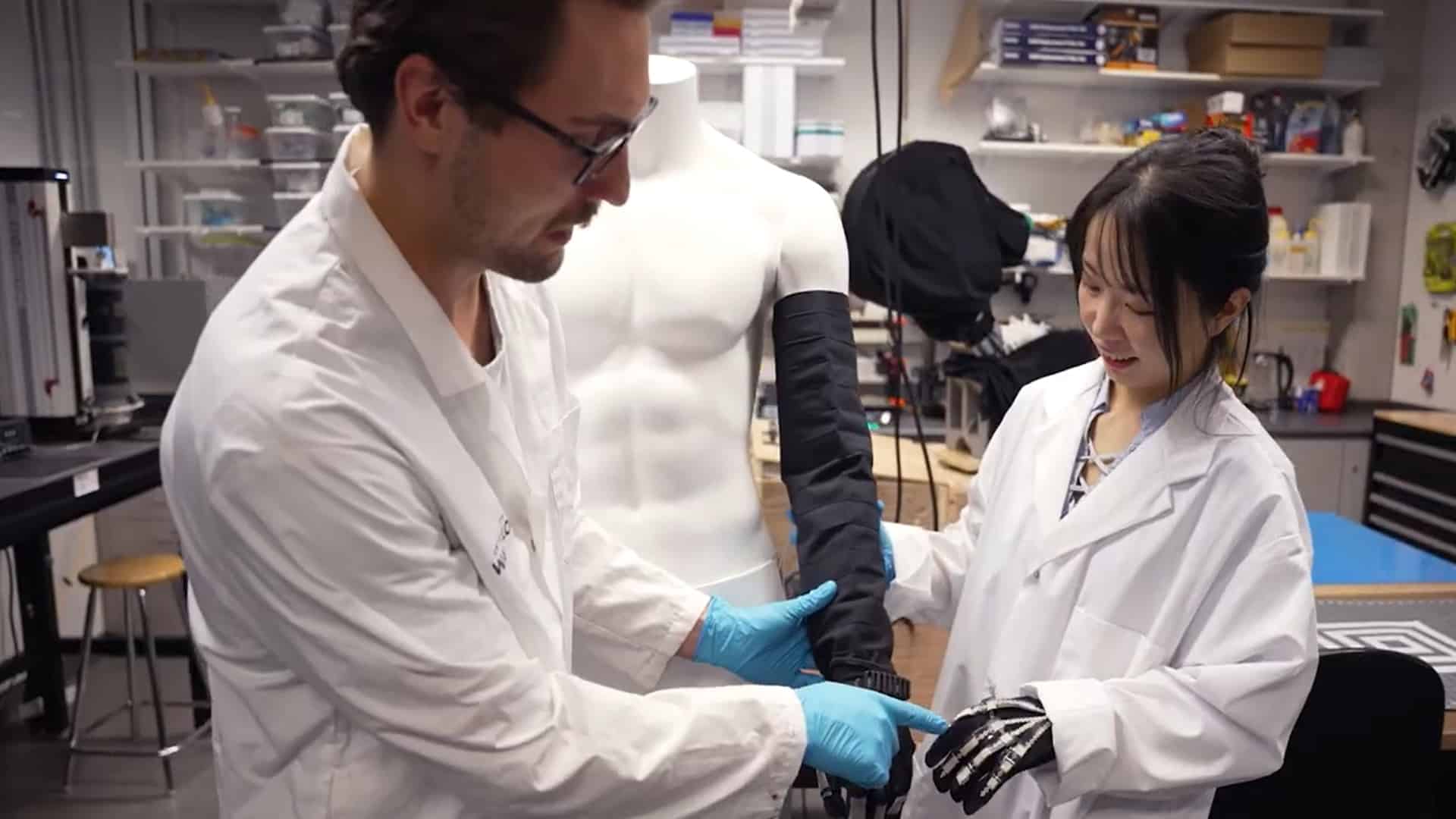
Researchers at the University of Waterloo have developed a wearable sleeve to manage fluid build-up after cancer care.
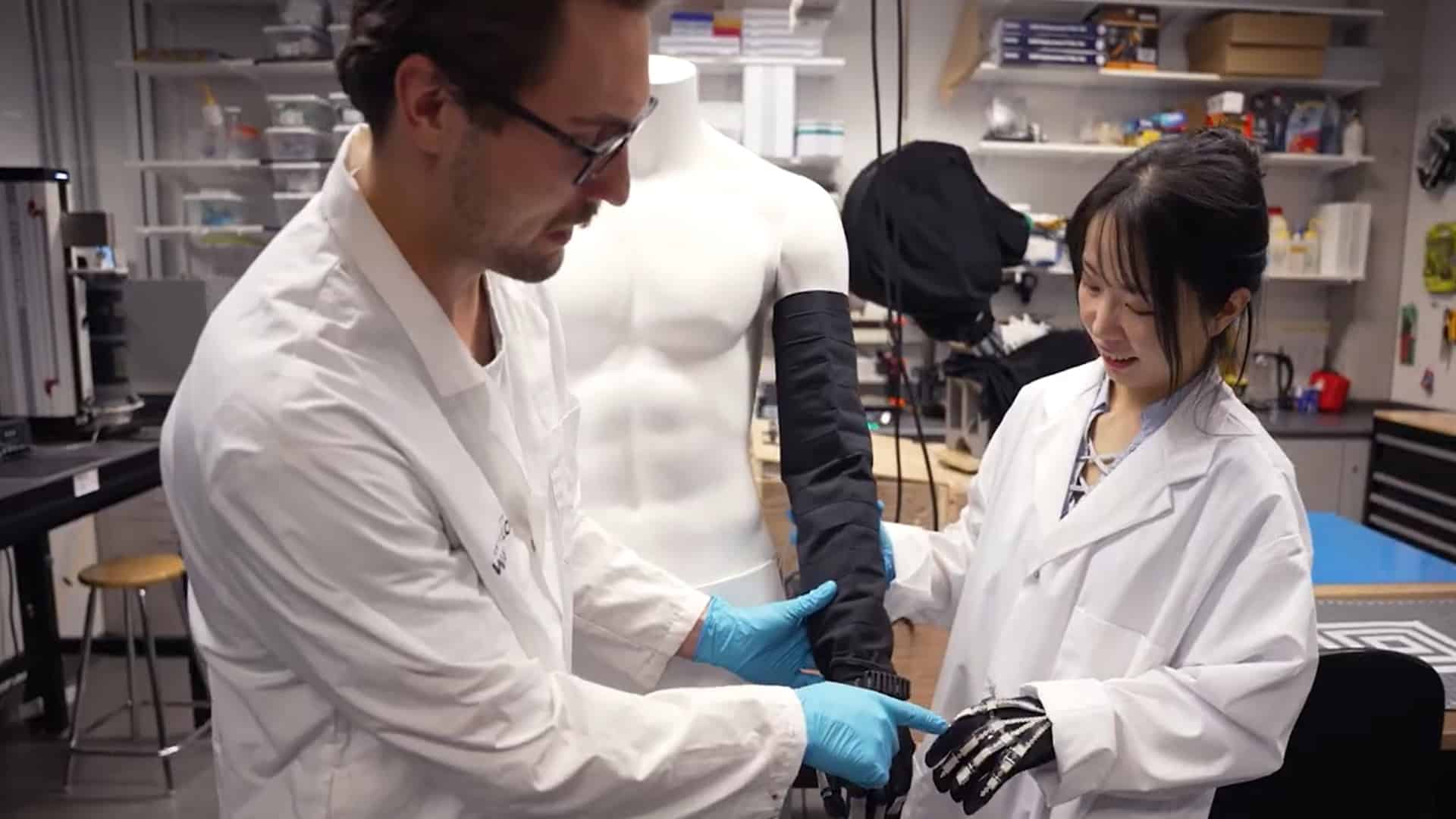
Fluid build-up is a common complication after cancer care, especially when lymph nodes are removed or damaged during radiation. So, a team of researchers at the University of Waterloo has developed a portable compression sleeve, about the size of a smartphone, that could replace bulky post-cancer swelling therapy machines. The device is designed to help patients manage fluid build-up after treatment without being tethered to wall-powered equipment.
Most existing compression systems rely on large control boxes that regulate multiple valves. These devices are expensive and require patients to remain seated during therapy, limiting flexibility and daily activity. Researchers redesigned the system to remove these limitations by integrating all key components into a compact wearable unit, improving both usability and overall patient experience.
The prototype combines a pump, valves, and a microfluidic chip into a device roughly the size and weight of a smartphone. It connects to lightweight inflatable chambers embedded in a sleeve that gently expand and contract to apply controlled, targeted compression.
The system runs on a rechargeable, long-lasting battery that can power the sleeve for up to eight hours on a single overnight charge, allowing users to move freely during therapy. This marks a shift from static setups to mobile, continuous treatment.
To ensure clinical relevance, the team collaborated with kinesiologist Clark Dickerson and therapist Jacqueline Kormylo. Early patient testing is underway in Ottawa, where feedback is being used to refine comfort, fit, and ease of use.
The team is also developing a next-generation robotic hand to address swelling in harder-to-treat areas, expanding the potential of soft-robotic therapy beyond wearable sleeves. Researchers aim to turn the prototype into a patient-ready product that improves comfort, mobility, and access to care, particularly for long-term cancer recovery.