
This summer, Apple plans to roll out paid advertisements on Apple Maps in the U.S. and Canada this summer, signalling its move into a profitable market space long dominated by Google.
On Tuesday, Apple announced that its Maps app pre-installed on hundreds of millions of iPhones and other devices each year, will begin featuring sponsored content placed above organic search results.
Apple will introduce an updated suite of business tools next month, giving companies the option to claim their physical locations.
The company has yet to disclose projected revenue from its new advertising initiative or reveal how many of its 2.5 billion active devices regularly use Apple Maps.
“Ads in Apple Maps could provide a modest growth opportunity for Apple’s services division,” said Gil Luria, analyst at D.A. Davidson.
The move also places Apple in more direct competition with Google and Meta Platforms for local advertising revenue, despite its longstanding effort to distinguish itself through stronger data privacy protections than rivals that rely heavily on ad sales.
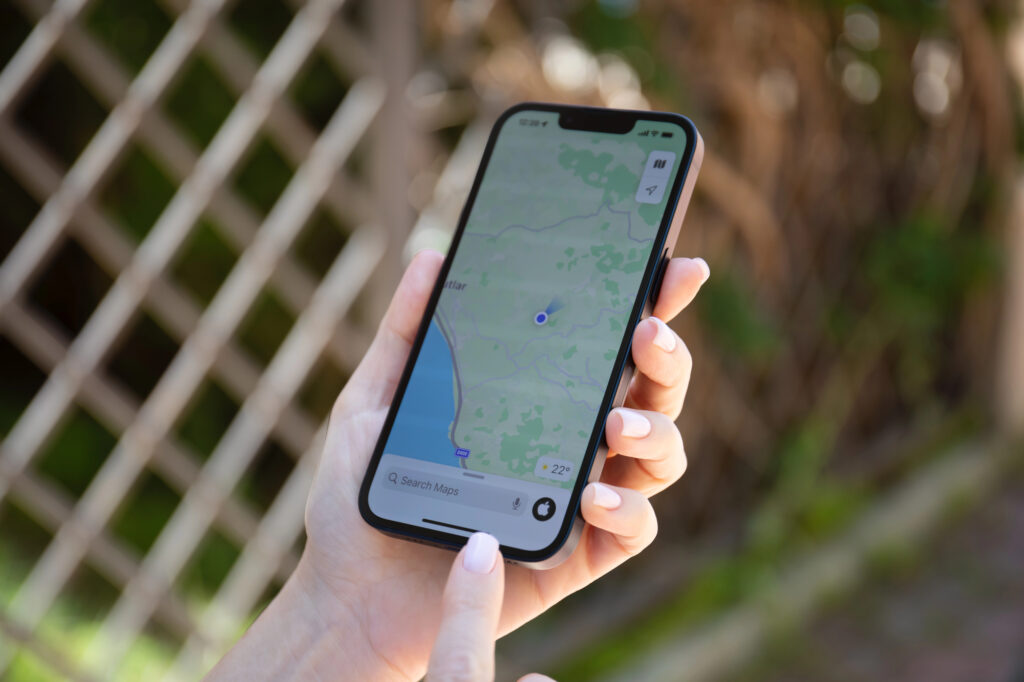
Apple stated that its new Maps ads will uphold existing privacy protections, ensuring that users’ locations and their ad interactions are not linked to their Apple accounts.
Apple added that what it defines as “personal data” remains on the user’s device, is neither collected nor stored by the company, and is not shared with third parties.
The shift comes as Apple’s key revenue streams—its commissions on app developer subscriptions and the billions it earns annually from Google for directing search traffic face mounting regulatory scrutiny in Europe and growing pressure from new AI technologies that are reshaping traditional search.
The move may also heighten scrutiny of Apple’s restrictions on rivals like Meta, which argue on antitrust grounds—alongside European publishers—that Apple’s data policies unfairly limit their access to users, even as Apple expands its own advertising business.
Alongside map advertising, Apple announced Tuesday that it will overhaul its business tools, introducing easier options for companies to set up and distribute Apple devices to employees without requiring specialised expertise. As part of the update, Apple will also make a device management tool free that was previously paid.