
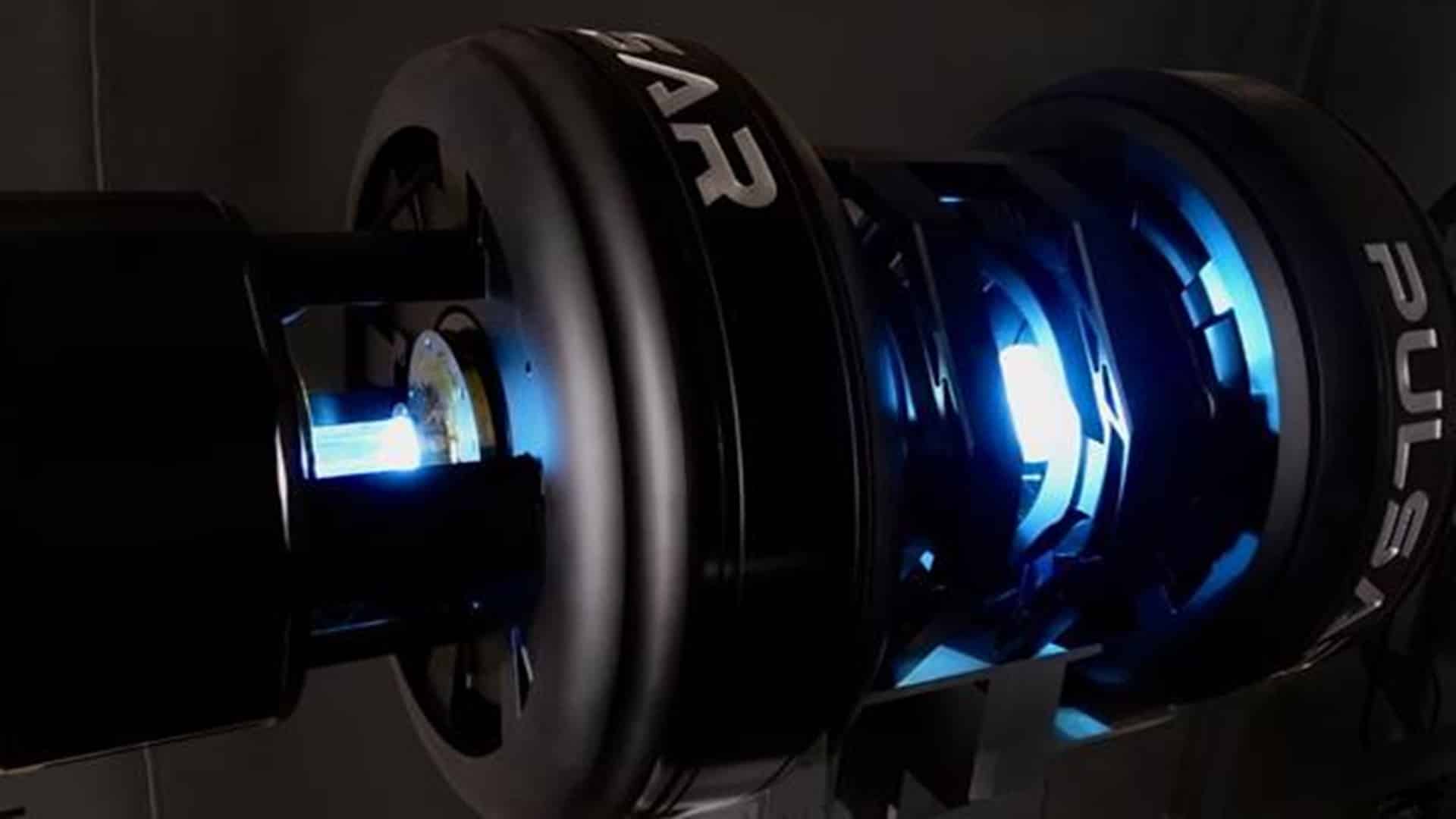
Sunbird engine demonstrates controlled plasma propulsion, advancing fusion-based space travel technology.
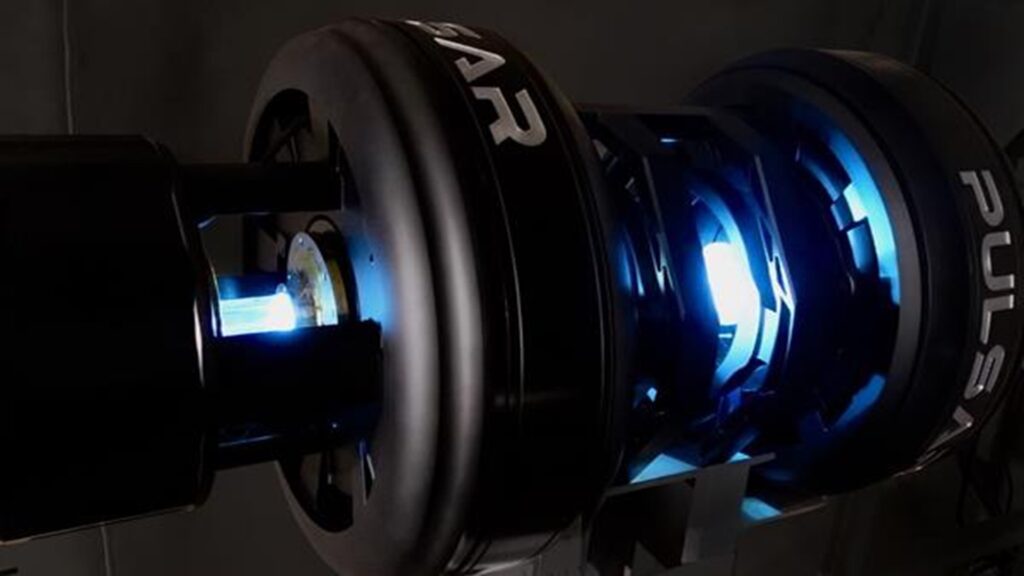
The recent milestone achieved by Pulsar Fusion marks an early but meaningful step toward realizing fusion-based space propulsion through its Sunbird engine concept. At the core of this technology is the creation and control of plasma, an ionized gas made of charged particles, which can be accelerated to extremely high speeds to generate thrust.

In this initial demonstration, engineers successfully produced plasma within the engine’s exhaust system. Rather than focusing on full fusion reactions yet, the test validated a critical subsystem that is the ability to confine and guide plasma using electromagnetic fields. This is essential because, in a functioning fusion propulsion system, plasma must be precisely controlled as it exits the engine to produce efficient and directed thrust.
To carry out the experiment, krypton gas was used as the propellant. Krypton is commonly chosen in early-stage propulsion tests due to its ease of ionization and stable plasma characteristics. Once ionized, the krypton atoms become charged particles, which can then be manipulated using magnetic and electric fields. Observing how this plasma behaves inside the exhaust channel helps researchers refine the geometry and field configurations needed for future high-performance engines.
The next phase of development will shift toward quantifying performance. This includes measuring thrust output and exhaust velocity—two key indicators of propulsion efficiency. Specialized diagnostic tools such as thrust balances and plasma probes will be introduced to gather precise data.
A major technical challenge for fusion systems is material durability under intense neutron radiation. To address this, Pulsar is collaborating with the UK Atomic Energy Authority to study how reactor components withstand long-term exposure.
The company plans to integrate high-temperature superconducting magnets that would generate stronger magnetic fields, enabling higher plasma densities and more energetic conditions, both necessary for eventual fusion reactions. The ultimate goal is to transition toward aneutronic fusion, which minimizes harmful radiation.