
Color me puzzled by this curious bit of news. Toyota is teaming up with Daimler Truck and the Volvo Group to advance the development of hydrogen-fuel-cell tech for zero-emissions heavy duty vehicles.
The three automakers will become equal shareholders in Cellcentric, a joint venture working on fuel-cell tech for cargo trucks and vehicles designed for off-road heavy duty applications. It already existed as an independently operating entity sustained by Daimler and Volvo; the news is that Toyota is joining the fold.
These forces combined will develop, produce and commercialize fuel-cell systems for such vehicles, manufacture the core components of fuel cells, and also support the development of hydrogen supply and infrastructure.
cellcentric – Company Film
That’s great, but I’m still scratching my head over why these companies are bothering to do so – especially Toyota. Trying to figure that out has revealed some interesting facts.
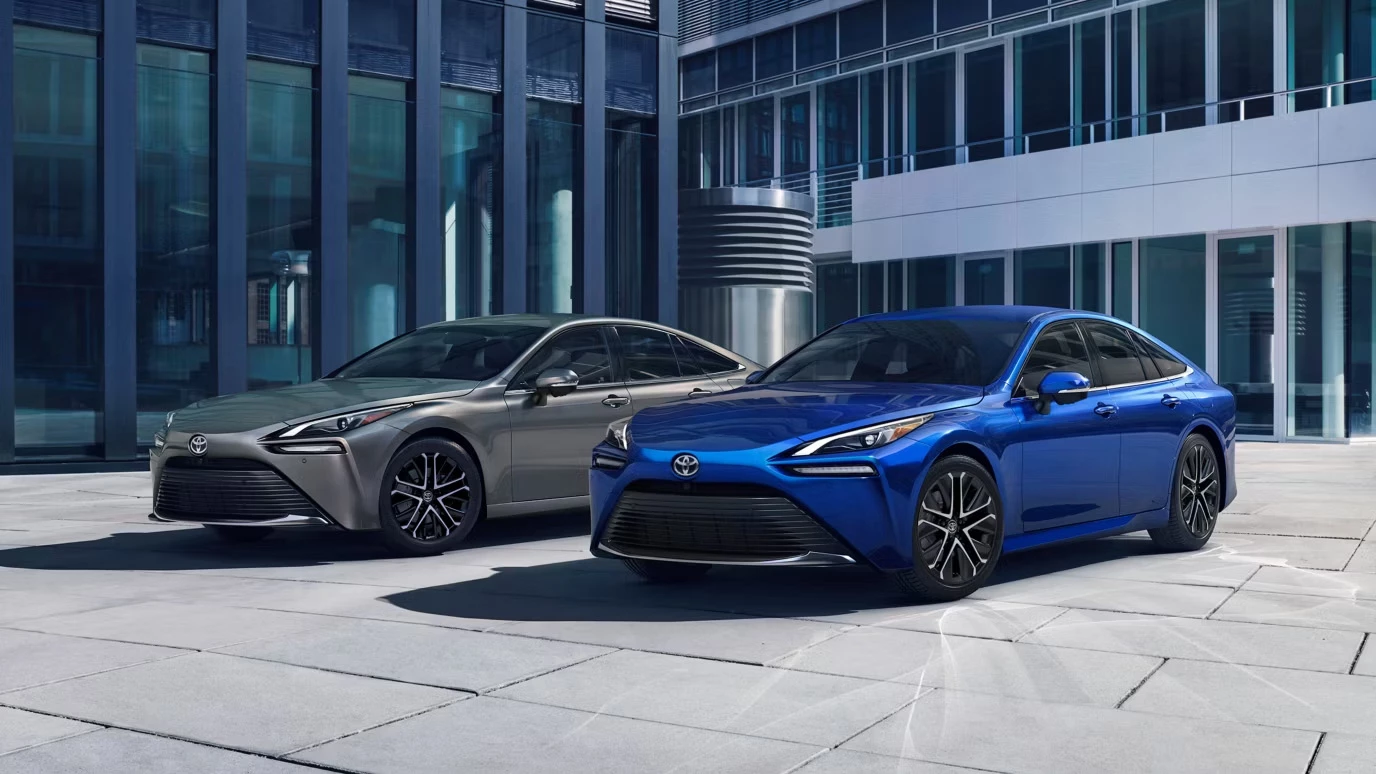
For starters, Toyota has been developing fuel-cell tech for over three decades, starting all the way back in 1992. And since 2014, it’s been making the Mirai, a hydrogen-powered sedan whose latest edition is priced at just over US$50,000, and has been the company’s worst-selling model for the last two years – only 210 units reportedly sold last year. Somehow, it’s still managed to find itself on Toyota’s 2026 roster.
Toyota
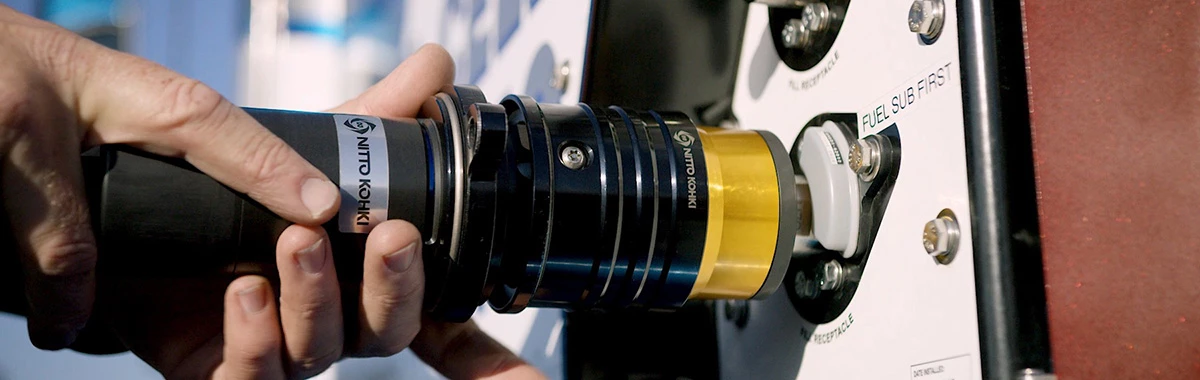
I don’t mean to get hung up on the failure of this particular car here. But the thing is, if you buy a Mirai in the US, you can only realistically drive it in California, because it’s the only state that has a handful of hydrogen refueling stations. That speaks to the state of fuel-cell infrastructure in the country. Europe’s hydrogen refueling infrastructure for heavy trucks is still very much in its early construction phase too.
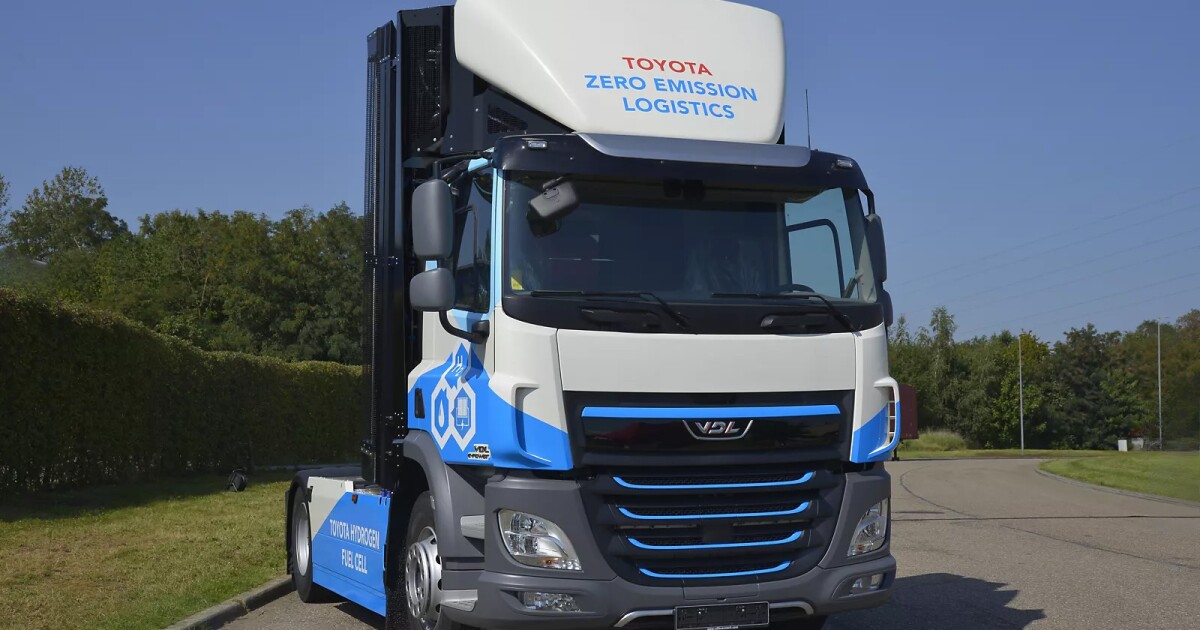
And while I just went over cars, it’s worth noting that Toyota actually has experience developing fuel-cell systems for heavy duty vehicles too. Back in 2023, it collaborated with VDL to build a hydrogen-powered truck, with a view to test it over five years (you can see it at the top of our story).
The company also launched Japan’s first commercial hydrogen-powered truck last year, with over 400 miles (650 km) of range, over a five-year partnership with its subsidiary Hino Motors. You can also buy a Kenworth truck stateside with dual motors and fuel-cell tech from Toyota on board for 450 miles (724 km) of emissions-free driving.

Hino Motors
I initially found this move odd simply because I’m far more used to hearing about advancements and proliferation in battery electric tech and infrastructure. We’re getting better at squeezing out more range from lithium-ion batteries, and we’re just starting to see solid-state batteries give the former a run for their money with a longer lasting, faster charging, and safer alternative.
That begs the question, why bother with hydrogen?
Well, the official word is that this is one way automakers intend to cut emissions, and they’ll take wins wherever they can find ’em. Indeed, Daimler Truck CEO Karin Rådström noted in this joint venture press release: “This will enable us to strengthen development and further scale hydrogen technology, which we believe complements battery-electric drives in decarbonizing transport.”

PACCAR Inc
Toyota has previously said its aim with the development of hydrogen-based systems is “to minimize the environmental impact of our activities, reducing them to zero where possible.” In fact, it plans to become fully carbon neutral by 2040. So if it can score green points somewhere in the world with the know-how it’s gained over the last 34 years, that can only be a good thing.
I imagine that through the Cellcentric effort, Toyota will further its mission to decarbonize trucking in Europe, where infrastructure is slated to ramp up in the next few years and look somewhat usable by 2030. It’s making big designs on battery-electric systems for consumer vehicles – launching multiple EVs and investing heavily in production in the US – so these two tracks may run parallel in the near future.
So yeah, bigger bets on hydrogen fuel cells weren’t on my 2026 bingo card. But if it means more green trucks, I’ll take it.
Source: Daimler Truck North America