

Could pigments from fungi redefine electronics? Scientists are uncovering organic materials that enable flexible, light-responsive devices with unusual electronic behaviours.
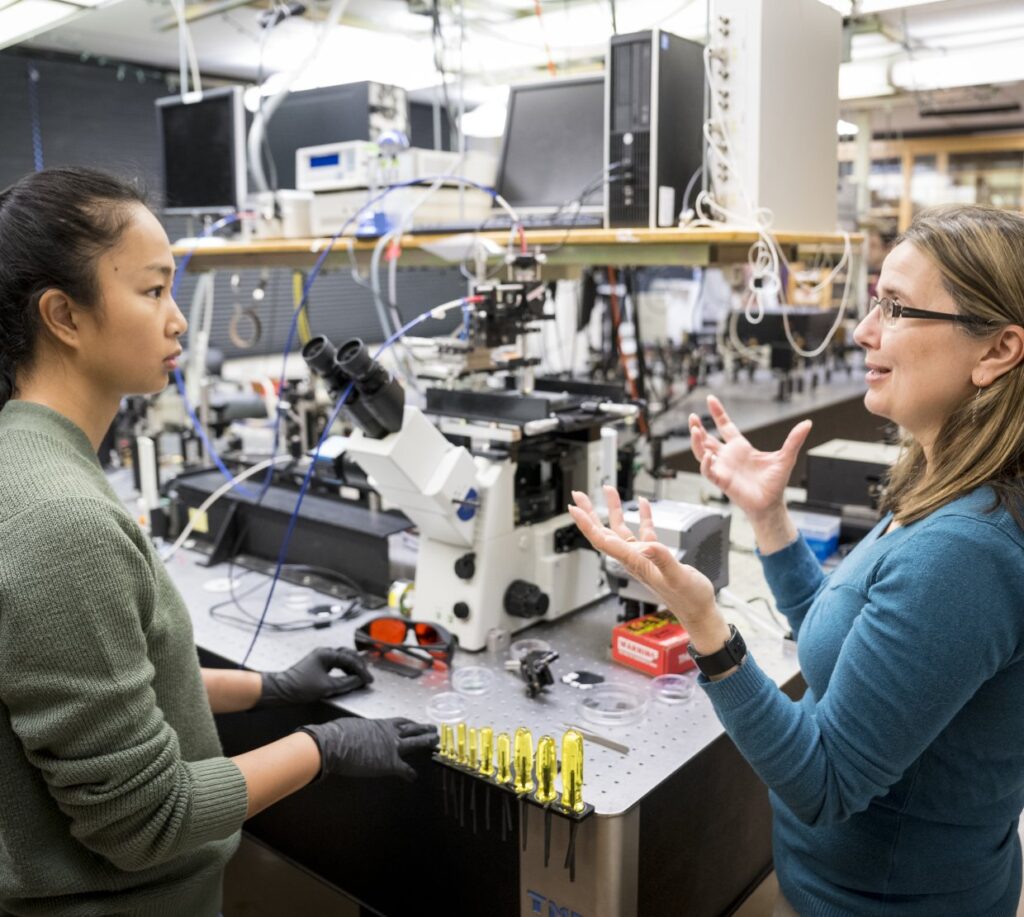
Researchers at Oregon State University are advancing organic semiconductor technologies inspired by nature, pointing to a future of flexible, low cost and potentially more sustainable electronic devices. Building on principles already seen in OLED displays, the work explores how carbon based materials and even fungi derived pigments can enable electronics that bend, stretch and interact with light in new ways.

Unlike conventional silicon based systems, organic semiconductors can be processed at lower temperatures and applied to a wider range of surfaces, making them suitable for wearable devices, disposable sensors and unconventional form factors. The research focuses on identifying practical use cases where these materials can complement existing technologies rather than replace them. This includes applications such as low cost everyday sensors and hybrid solar cells, where organic layers could enhance performance without requiring high end semiconductor infrastructure.
At the materials level, the team is studying how organic compounds interact with light to enable optoelectronic and photonic devices. Particular attention is being given to xylindein, a durable blue-green pigment produced by fungi, which forms flexible crystalline structures capable of guiding light and responding to electrical signals by changing color. In parallel, the research explores spintronics, where information is transmitted through spin waves instead of electrical charge, reducing heat generation and improving energy efficiency. The integration of organic molecules with two dimensional magnetic semiconductors is being investigated to better control these effects.
Oksana Ostroverkhova, physicist at Oregon, says, “Right now, the performance of organic molecules isn’t as good as silicon, and the stability isn’t as high. We want to understand how we can make them perform better and what kinds of tricks we can use to improve them.”

As the field evolves, such research underscores how nature inspired materials and fundamental science could shape the next generation of electronics and computing systems.