
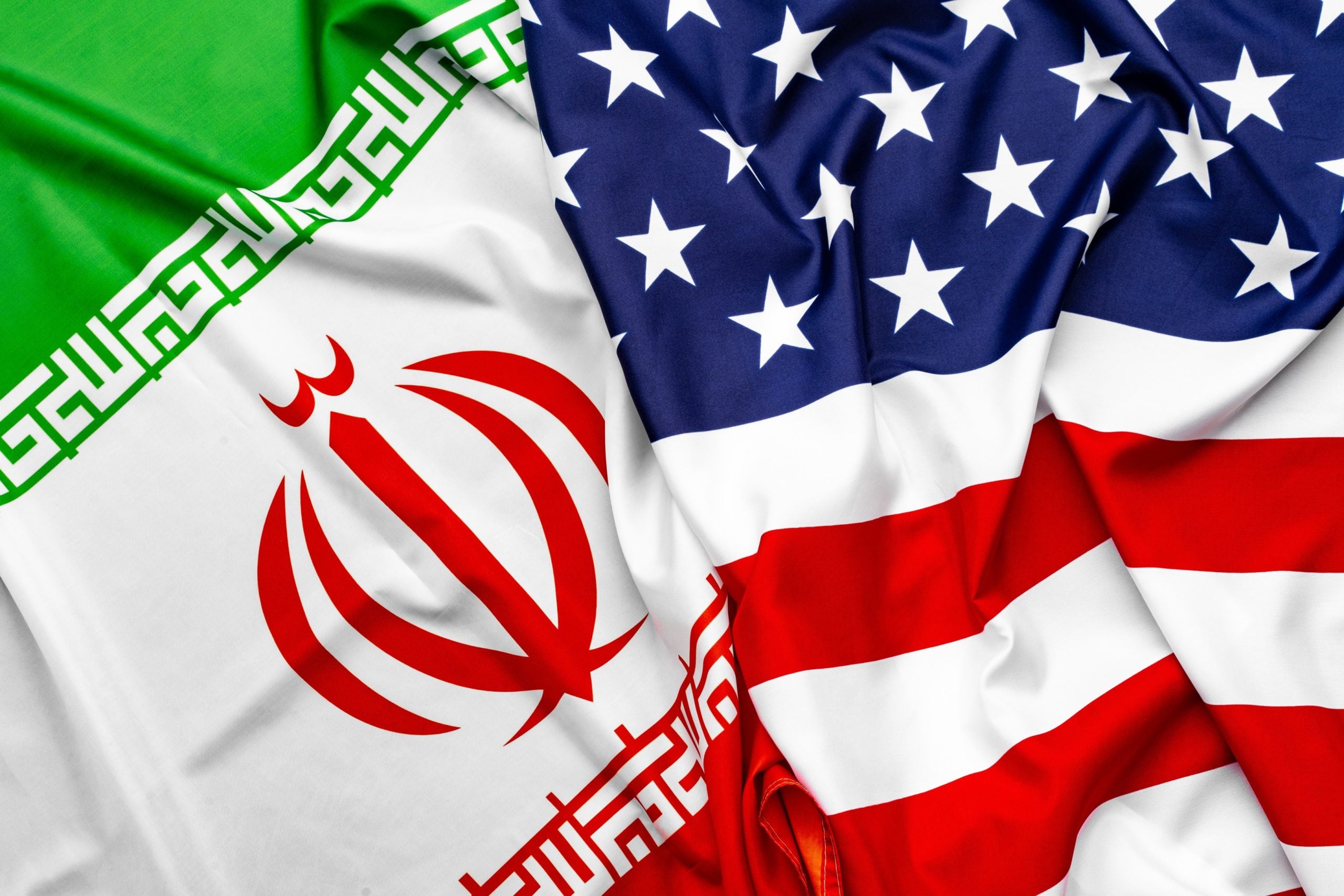
Tehran has offered a ceasefire framework as U.S. President Donald Trump agrees to temporary halt in military offensives against Iran.
Hours after warning that “a whole civilisation will die tonight,” U.S. President Donald Trump said on Tuesday he had agreed to a two-week ceasefire with Iran, stepping back from threats to strike the country’s power plants and bridges.
Trump announced the ceasefire on Truth Social, saying he had accepted a proposal from Pakistan calling for a two-week halt to hostilities and the immediate reopening of the Strait of Hormuz. He added that the pause would allow the United States to work toward a final agreement with Iran.
“The reason for doing so is that we have already met and exceeded all military objectives, and are very far along with a definitive agreement concerning long-term peace with Iran, and peace in the Middle East,” Trump wrote.
Iran’s Supreme National Security Council (SNSC) outlined a 10-point proposal to end hostilities with the United States and its allies, presenting it as a framework for a ceasefire and broader diplomatic settlement amid tensions centred on the Strait of Hormuz.
Key elements include the withdrawal of U.S. combat forces from regional bases, lifting of primary and secondary sanctions, cancellation of relevant U.N. and International Atomic Energy Agency resolutions, release of frozen Iranian assets abroad, compensation for wartime losses, and conversion of the agreement into binding international law.
The plan, detailed in a Telegram statement, calls for coordinated transit through the Strait under Iranian armed forces oversight, recognition of continued Iranian control, and a formal security protocol for navigation.
Tehran also seeks an end to the war against the “Axis of Resistance.”
Iranian Foreign Minister Abbas Araghchi said that, in response to regional diplomatic efforts, including a proposal from Pakistan, Iran would halt defensive operations if attacks ceased.
He added that for two weeks, safe passage through the Strait of Hormuz would be allowed in coordination with Iran’s armed forces.
Pakistan, acting as a mediator in the conflict, proposed a two‑week extension of U.S. President Donald Trump’s deadline and urged Iran to reopen the strait during that period as a “goodwill gesture.”
Pakistani Prime Minister Shehbaz Sharif said in a post on X that “diplomatic efforts for peaceful settlement of the ongoing war in the Middle East are progressing steadily, strongly and powerfully with the potential to lead to substantive results in near future.”
Trump confirmed a temporary suspension of military action in a post on Truth Social, stating that, based on discussions with Sharif and Pakistan’s Field Marshal Asim Munir, he would “suspend the bombing and attack of Iran for a period of two weeks” provided Tehran agreed to the “complete, immediate, and safe opening of the Strait of Hormuz.”
Trump described the pause as a “double-sided ceasefire” to allow negotiations on a “definitive Agreement concerning long-term peace with Iran, and peace in the Middle East,” adding that the U.S. had received Iran’s 10‑point proposal and considered it a workable basis for discussions.
The announcement comes against the backdrop of a self‑imposed deadline by Trump for Iran to agree to terms that include reopening the key waterway by 8pm EST or face intensified military action.
Trump has repeatedly warned that failure to comply could lead to severe consequences for Iran, including the destruction of critical infrastructure.
In a social media post, he wrote that “a whole civilization will die tonight, never to be brought back again” if no deal was reached by his deadline.
The Strait of Hormuz, a critical route for global oil shipments, has been effectively closed by Iranian forces since the U.S.-Israel war on Tehran began, raising energy prices and prompting international calls for a negotiated settlement.