
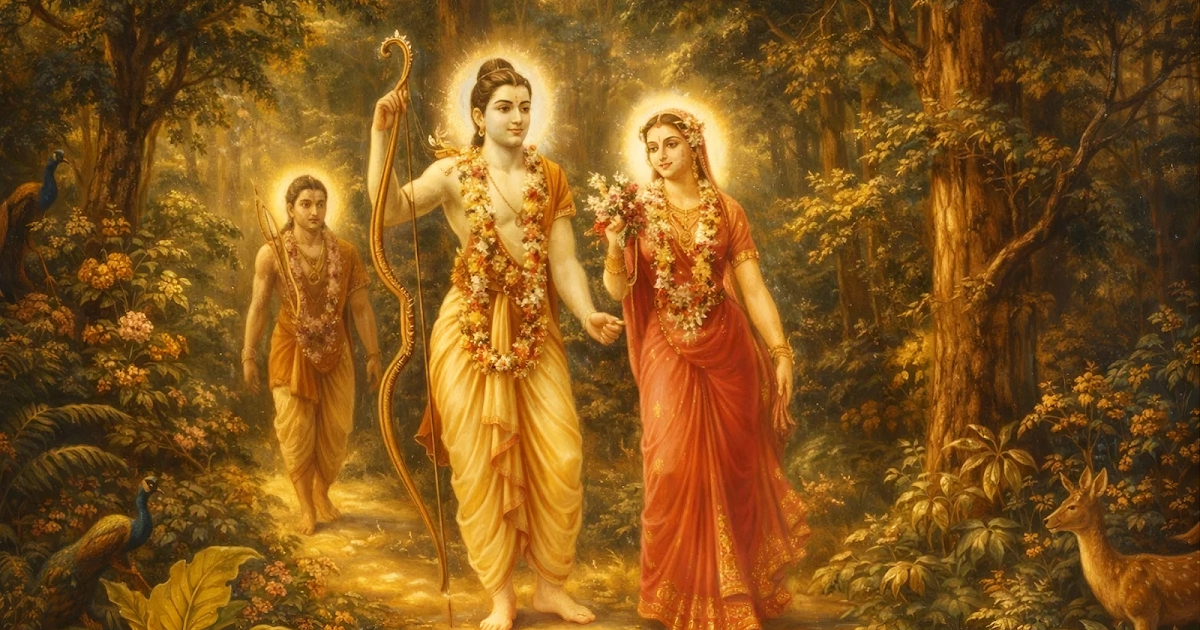
Birth of Divine Grace & Devotion

Sita Navami celebrates the birth of Goddess Sita, the embodiment of purity, strength, and devotion. It falls on the Navami (9th day) of Shukla Paksha in the month of Vaishakha (April–May).
This sacred day is especially significant for devotees of
Lord Rama, as Sita represents the ideal of dharma, patience, and unwavering faith.
Mythological Story
According to the epic Ramayana:
-
Goddess Sita was discovered by King King Janaka while ploughing the field.
She is believed to be the daughter of Mother Earth (Bhumi Devi).
Her birth symbolizes divine blessings and the nurturing power of nature.
Hence, she is also called Bhumija (daughter of Earth).
Spiritual Significance
Ideal Womanhood
Sita represents:
Purity and virtue
Strength in adversity
Devotion to dharma
Symbol of Patience & Sacrifice
Her life teaches resilience, especially during exile and challenges.
Divine Feminine Energy
She is worshipped as a form of Goddess Lakshmi, symbolizing prosperity and grace.
How to Celebrate Sita Navami
Special Puja
Worship Goddess Sita along with Lord Rama
Decorate idols with flowers and traditional offerings
Read Ramayana
Devotees read or listen to stories from the Ramayana, especially Sita’s life events.
Fasting & Prayer
Many observe fasting for spiritual purification
Seek blessings for family harmony and marital happiness
Temple Visits
Visit temples dedicated to Rama and Sita for special rituals and bhajans.
Ritual Offerings
Fruits and sweets
Turmeric, kumkum, and flowers
Sacred (water)
Cultural Importance
Sita Navami reminds us:
Strength lies in patience
True devotion is selfless
Nature and femininity are sacred
It is a day to honor grace, sacrifice, and divine love.