
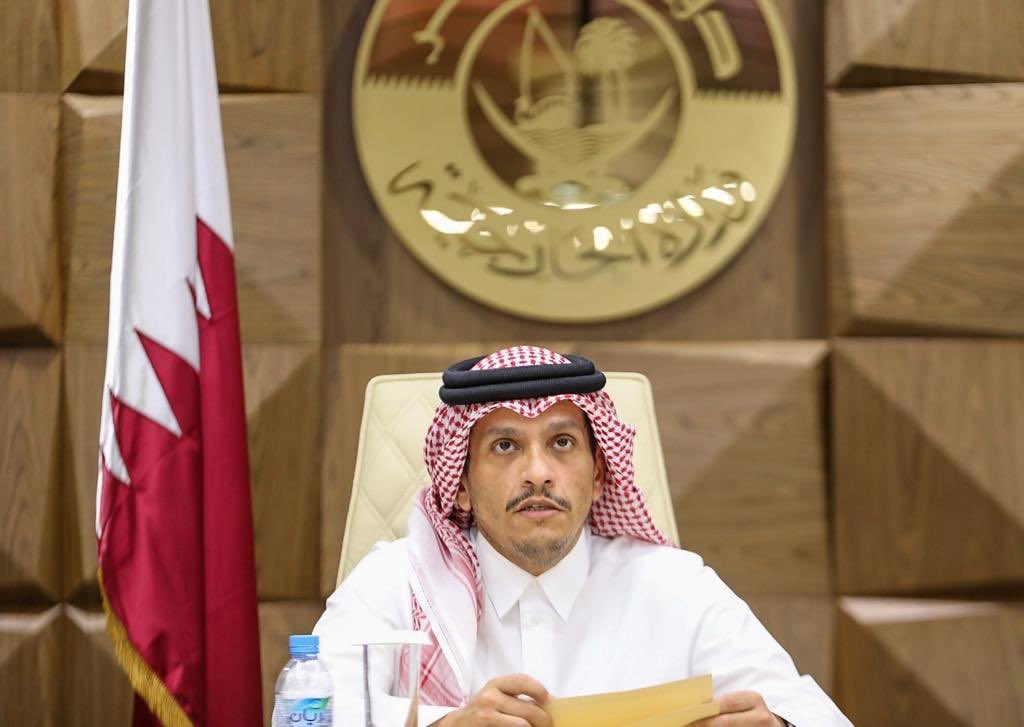
Qatar’s Prime Minister and Minister of Foreign Affairs, Sheikh Mohammed bin Abdulrahman Al Thani, received a phone call from Iran’s Foreign Minister, Abbas Araghchi, on April 13, marking their first known contact since the recent failed peace talks, as efforts continue to preserve a fragile ceasefire.
During the call, Sheikh Mohammed bin Abdulrahman Al Thani urged both Iran and the United States to engage positively with ongoing mediation efforts, stressing the importance of all parties responding constructively to reach a sustainable agreement.
The call comes as broader diplomatic efforts remain uncertain after U.S.-Iran talks ended without progress, and amid a relative drop in alerts and incidents in Qatar following weeks of heightened tensions. However, officials have warned that risks remain.
According to Qatar’s Ministry of Foreign Affairs, the two sides reviewed developments related to the ceasefire, stressing the need to consolidate it to ensure regional security and stability.
Sheikh Mohammed bin Abdulrahman Al Thani emphasised the importance of reaching a sustainable agreement through dialogue that prevents further escalation and addresses the root causes of the conflict.
He also highlighted the need to keep maritime routes open and guarantee freedom of navigation, warning against using them as a tool for pressure or bargaining. Any disruption, he said, could have serious consequences for the region, particularly for global energy and food supplies, and international security.
Focus on maritime routes
The increased focus on maritime security comes as tensions rise around key shipping corridors in the Gulf, particularly the Strait of Hormuz, following failed U.S.-Iran talks and a subsequent U.S. naval blockade targeting Iranian ports. The blockade applies to vessels entering or exiting Iranian ports and coastal areas, while transit through the strait remains open for other traffic.
The Strait of Hormuz is a key route for global energy flows, and any disruption could quickly affect international markets and supply chains. Qatar’s warning against using maritime routes as leverage comes amid these developments, as concerns grow over the impact of tensions on freedom of navigation.
Earlier call addressed escalation
The call follows an earlier conversation between the two officials on 6 April, prior to the ceasefire, during which they discussed the escalation and its impact on regional security.
During that exchange, Qatar condemned attacks targeting its territory and the wider region, stressing that targeting civilian infrastructure and countries not involved in the conflict is unacceptable under any circumstances.
Sheikh Mohammed bin Abdulrahman Al Thani also called for respect for international law, reiterating that a comprehensive diplomatic solution remains the only path to resolving the crisis.
While the latest call focused on reinforcing the ceasefire, Qatar maintained its position on the attacks and the need to prevent further escalation.