
Qatar joins international talks on Hormuz as Iran declares the strait open but security concerns persist.
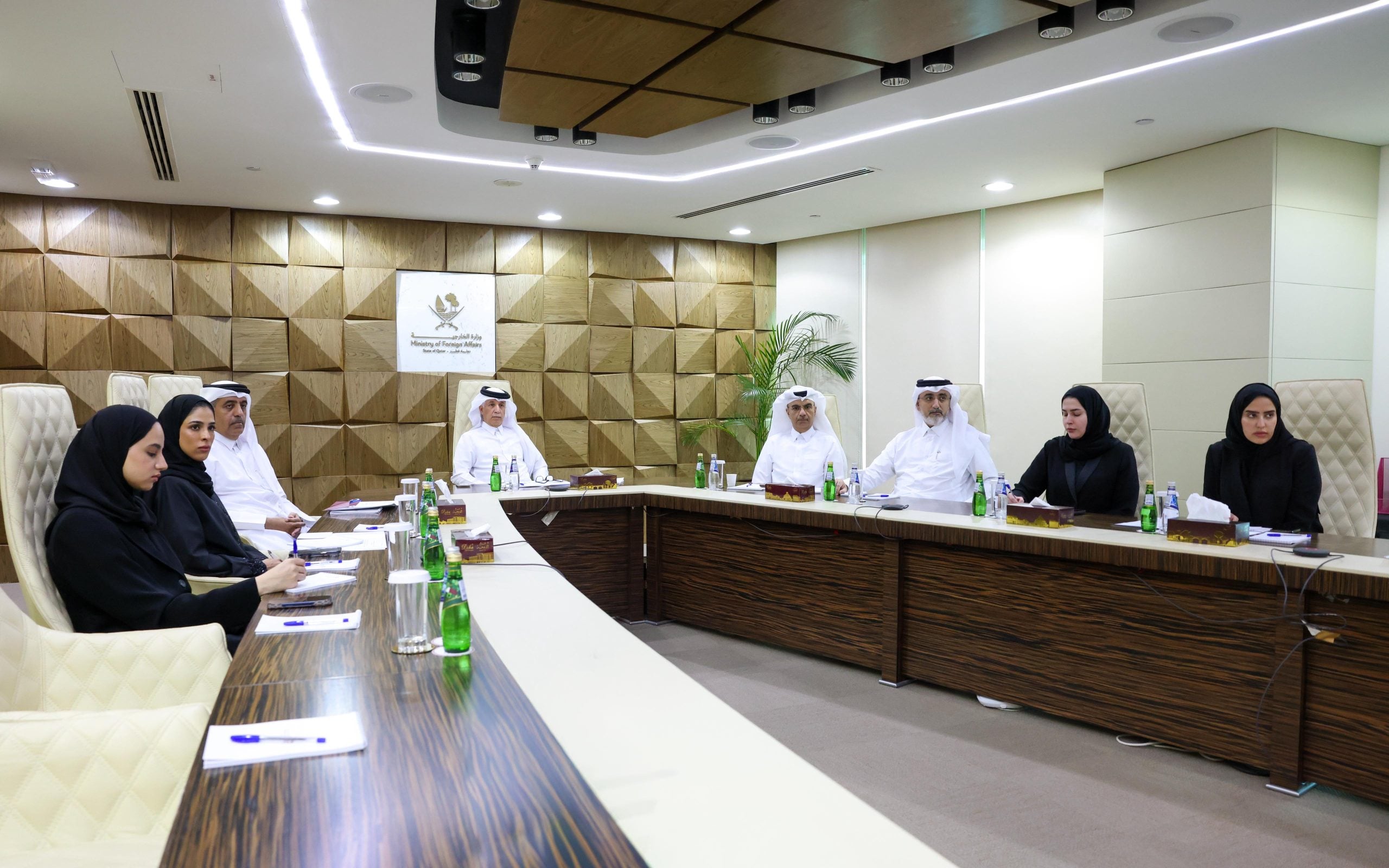
Qatar took part in a virtual meeting on freedom of navigation in the Strait of Hormuz on Friday, as Iran said the waterway would remain open to commercial vessels during the Israel–Lebanon ceasefire.
The talks, hosted in Paris by French President Emmanuel Macron and UK Prime Minister Keir Starmer, brought together more than 30 countries amid concerns over maritime security and disruptions to global trade and energy flows. Qatar was represented by Minister of State for Foreign Affairs Sultan bin Saad Al Muraikhi.
Talks held amid overlapping developments
The meeting focused on keeping shipping lanes open, protecting energy and trade flows, and preventing further escalation at sea as regional tensions continue to affect movement through the Strait.
The United States and NATO were not part of the meeting. Several European leaders, including Italy’s Prime Minister Giorgia Meloni and Germany’s Chancellor Friedrich Merz, took part.
As the talks were underway, Iran’s Foreign Minister Abbas Araghchi said the Strait had been “declared completely open” to commercial vessels for the duration of the ceasefire.
Speaking after the meeting, Macron welcomed the announcement, saying it “goes in the right direction,” but stressed that access must be immediate, unconditional, and in line with international maritime law. He also rejected any restrictions on passage, including the introduction of toll systems.
U.S. President Donald Trump also welcomed the reopening, but said the US naval blockade would remain in place until a deal with Iran is finalised.
Next steps and coordination efforts
Leaders called for broader guarantees to ensure freedom of navigation and the full restoration of passage conditions that existed before the conflict.
A multinational mission to safeguard navigation was also discussed, though officials said any deployment would depend on conditions on the ground.
The talks also addressed the wider impact of disruptions in the Strait, including pressure on global energy markets, supply chains, and commercial shipping. A follow-up meeting is expected in London next week to continue coordination and discuss possible security arrangements.