

Vicky Parry
22nd Apr 2026
Reading Time: 4 minutes
We have seen this pattern before: a low-cost product goes viral, shelves empty, resale prices rocket and suddenly people are wondering whether they should join the frenzy or cash in on it.
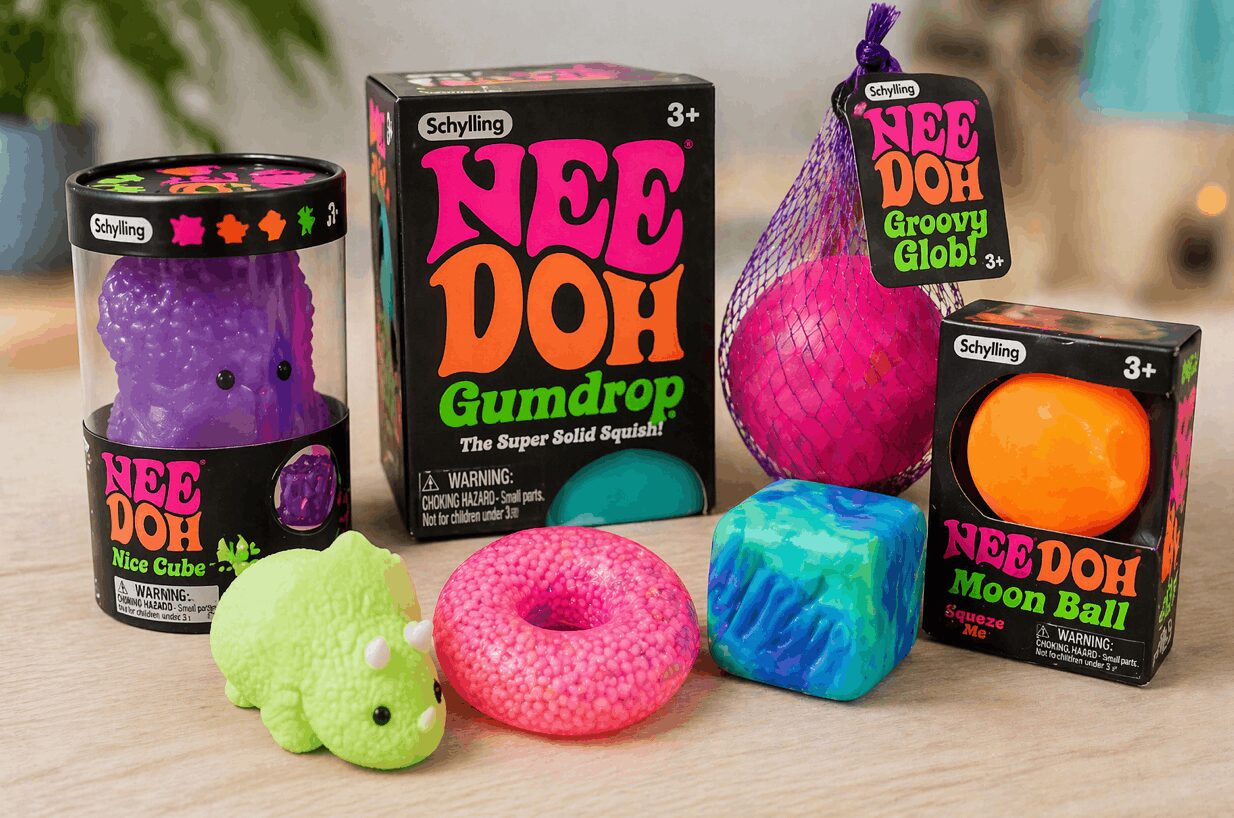
Right now, that product is NeeDoh — a simple sensory toy with a tiny retail price and a very big online profile. Some shoppers are still trying to find one at normal price. Others are attempting to flip them for profit. And plenty risk arriving just as the hype starts to cool.
As MoneyMagpie’s Consumer Editor, I spend a lot of time looking at the difference between a smart opportunity and an expensive panic. That matters here, because viral crazes can look like easy money from the outside — but they often move far faster than people realise.
Why shoppers need to pay attention now
By the time a viral product is making headlines, the safest and most profitable part of the craze may already be narrowing. That is when overpaying, panic buying and scams become most common.
What is NeeDoh — and why is it suddenly everywhere?
NeeDoh is a soft, tactile stress toy designed to be squeezed, stretched and fidgeted with. It is cheap, visually satisfying and available in multiple versions — all of which make it ideal for social media.
Its rise has followed a familiar formula:
- videos and social posts make it feel like a must-have item
- demand surges faster than shops can keep up
- specific versions become harder to find
- resellers push prices up sharply
- fake listings and copycat products begin to appear
That is exactly why this is more than just a toy story. It is a textbook example of how modern “cult products” spread, and how quickly consumers can end up paying too much for the hype.
NeeDoh at a glance
- Typical retail price: around £2 to £6, depending on the item
- Why it is trending: social media buzz, scarcity and collectability
- Main danger: paying inflated prices or buying fakes
- Main opportunity: finding genuine stock at retail before the hype fades
How to get NeeDoh without paying silly money
If you are only seeing high-priced listings online, it can feel as though normal stock has disappeared entirely. But there are still smarter ways to look.
1. Start with independent toy shops
Smaller retailers can sometimes receive stock without the same immediate rush that bigger chains attract. They may also be less visible to the people tracking restocks online.
2. Ask directly about delivery days
If a shop usually gets deliveries on set days, turning up at the right time can matter far more than endlessly refreshing resale sites.
3. Be flexible about versions
Some colours or styles create the biggest rush. If you are buying for yourself rather than resale, being less picky can improve your chances of finding one at the proper price.
4. Be cautious with unfamiliar sellers
Whenever a product becomes hard to find, fake shops, copycat listings and overpriced third-party sellers appear quickly. If a seller looks questionable, walk away.
Consumer warning
A shortage does not just push up prices. It also creates ideal conditions for scams and counterfeits. If you are buying online, stick to trusted retailers and use a payment method that gives you protection if something goes wrong.
Can you really make money from the NeeDoh craze?
Possibly — but only if you are disciplined.
The people most likely to make money are those who:
- buy at genuine retail price
- know which versions are in strongest demand
- sell quickly while supply is still tight
- avoid sinking too much cash into stock
That can make the margins look attractive. But a viral product is not the same as a reliable side hustle. The biggest mistake is assuming that because someone else has sold one for a huge mark-up, every purchase will produce the same return.
Once supply improves, resale premiums can fall surprisingly fast.
How people usually make money on crazes like this
- Find genuine stock at normal retail price
- List it while shortages are still dominating demand
- Sell before larger restocks make the market less frantic
How long is the opportunity likely to last?
This is the question that matters most.
Viral product crazes rarely feel short when you are in the middle of them. But the sharpest part of the frenzy often lasts for weeks or a few months, not forever. Once more stock arrives and buyers become less desperate, resale prices usually begin to soften.
That is why timing matters so much. If you are early and careful, there may still be money to be made. If you are late and paying inflated prices yourself, you are much more likely to lose out.
Based on the pattern seen with similar cult products, NeeDoh looks much closer to its peak-hype stage than to the very beginning. That means the best window may be shorter than it appears.
Best estimate
For resellers, this looks more like a short, fast-moving opportunity than a long-term money-maker. If supply improves over the coming months, the strongest resale margins could shrink quickly.
What happened with Stanley, Prime and other cult products?
That is what makes the comparison so useful.
Prime looked unstoppable during its peak shortage phase, but resale cooled once supply improved. Stanley cups became a status item as well as a practical purchase, but even that frenzy eventually softened as the “buy now or miss out” feeling faded.
NeeDoh appears to be following the same emotional arc: urgency, scarcity, social proof and fear of missing out.
That does not mean it disappears overnight. It means the easiest profits tend to go first.
Should you buy in bulk?
For most people, no.
There is a difference between spotting a trend and gambling on one. Buying a small number at retail and moving them on quickly is one thing. Stockpiling large quantities because you assume the market will keep climbing is a much riskier move.
That is how shoppers end up stuck with products that looked like gold dust one month and ordinary stock the next.
Ask yourself before spending
- Am I buying at a genuine retail price?
- Do I know what versions are actually selling well?
- Could I afford to be stuck with this if prices fall?
- Am I following the numbers — or just the hype?
The bottom line
NeeDoh is one of the clearest “cult product” crazes of the moment: cheap enough to feel accessible, viral enough to create shortages and hyped enough to attract serious resale listings.
But that does not make it a guaranteed money-spinner.
If you can find genuine stock at retail price and move quickly, there may still be an opportunity. But if you are arriving late, overpaying or assuming the frenzy will last all year, the risk rises sharply.
In trends like this, the people who make the most are usually the earliest and the calmest.
Everyone else is often just paying for the panic.