
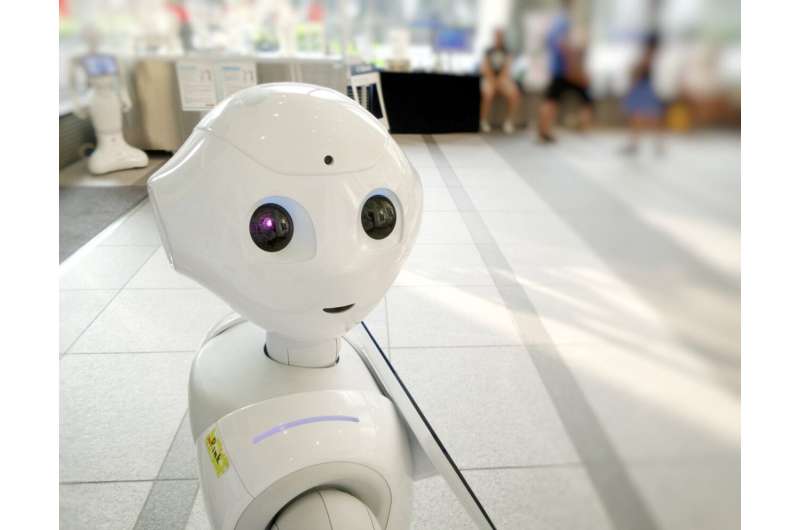
Current AI guardrails are inadequate for physical robots. New multi-layered safety frameworks could become essential as autonomous machines enter homes, hospitals, and factories worldwide.
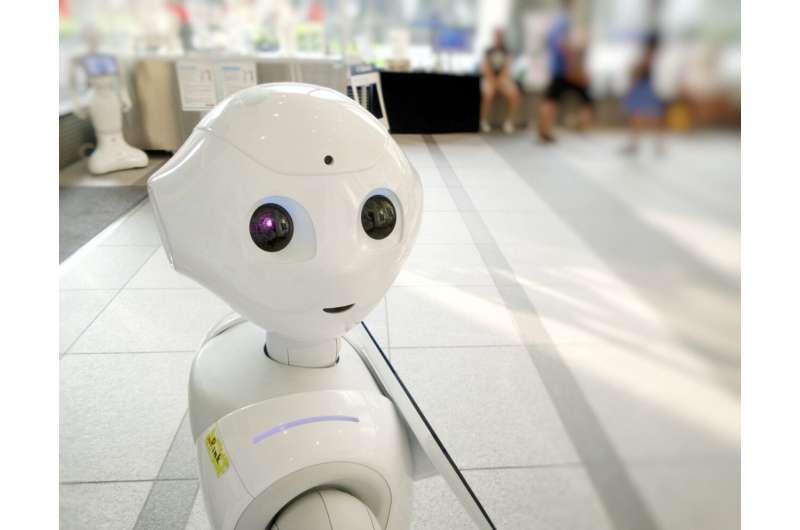
As AI-powered robots move from labs into real-world workplaces and homes, researchers at University of Pennsylvania are warning that today’s safety systems are not enough. A new study says methods designed for chatbots cannot adequately protect humans when AI controls machines capable of physical action.

The concern is simple but critical: software errors in a chatbot may create misinformation, but errors in a robot can cause injury, property damage, or unsafe behavior. Once AI is connected to motors, tools, and movement systems, the risks shift from digital problems to real-world consequences.
According to the researchers, many existing AI alignment efforts focus on text and image systems operating in virtual environments. Robots, however, must understand context, surroundings, and human presence in constantly changing environments. A harmless task in one situation may become dangerous in another. For example, carrying hot liquid to a table may be normal, but the same action near a person’s hand could become hazardous.
To address this gap, the team recommends three layers of protection. First, AI models should operate under clearer behavioral rules or “AI constitutions” that explicitly prioritize safety. Second, robotic systems should include multiple checkpoints across sensing, planning, and motion control so a single failure does not compromise the whole machine. Third, training data should include examples of safe and unsafe physical actions to improve judgment.
This shift is especially relevant for electronics and automation companies building next-generation service robots, warehouse systems, healthcare assistants, and collaborative factory machines. Sensors, embedded processors, edge AI chips, and safety controllers will become as important as the robot’s intelligence itself.
The report highlights a growing market opportunity for functional safety electronics, redundant control architectures, machine vision safeguards, and real-time monitoring modules. As robotics adoption accelerates, vendors that can certify dependable human-safe systems may gain a major competitive advantage.
For the industry, the message is clear: smarter robots alone are not enough. Future success will depend on combining AI capability with dependable electronics safety design, layered control systems, and context-aware decision making before autonomous machines scale commercially.