
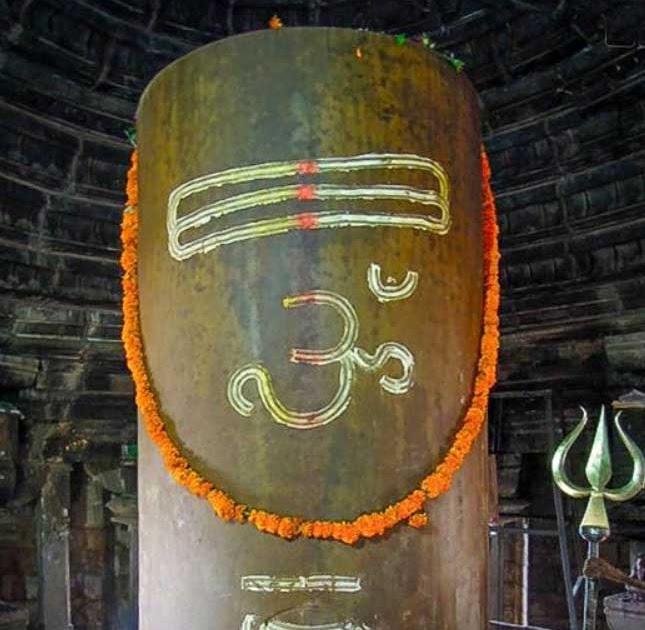
Matangeshwar Temple of Khajuraho: The Living Shivling That Grows with Time
The Matangeshwar Temple of Khajuraho, located in present-day Madhya Pradesh, stands as one of the most spiritually significant Shiva temples in India. Dating back over a thousand years to the era of the Chandela dynasty, this sacred shrine is unique for housing a colossal Shivling believed by devotees to be living and ever-growing. Unlike many monuments of Khajuraho that are no longer active centers of worship, Matangeshwar Temple remains vibrantly alive with daily rituals, prayers, and festivals dedicated to Lord Shiva.
Historical and Architectural Significance
Built around 1000 CE, the Matangeshwar Temple features a simple yet powerful architectural form with a pyramidal shikhara. It stands adjacent to the Lakshmana Temple, at the heart of the Khajuraho temple complex. While Khajuraho is celebrated for its sculptural brilliance, Matangeshwar Temple is revered primarily for its spiritual potency rather than ornamentation.
At the core of the sanctum is one of the largest Shivlings in India, rising over 2.5 meters (approximately 9 feet). The lingam is deeply rooted in the earth, symbolizing Shiva as both the cosmic pillar and the unmanifest source of creation.

Symbolism of the Shivling in Hindu Teachings
In Hindu scriptures, the Shivling represents the formless, infinite nature of Shiva. The Linga Purana describes Shiva as beyond attributes, manifesting as a boundless column of light. It states in Linga Purana, Purva Bhaga, Chapter 17, Verse 11:
“Shiva is without beginning or end, without form, yet the cause of all forms.”
The belief that the Matangeshwar Shivling grows steadily each year reinforces the scriptural idea of Shiva as eternal, ever-present, and continuously manifesting within creation. The lingam signifies the union of Purusha and Prakriti, consciousness and energy, reminding devotees that the divine is not static but dynamic.
Shivratri and Living Traditions
During the sacred festival of Mahashivratri, celebrated in February or March, Matangeshwar Temple becomes the center of an intense three-day observance symbolizing the divine marriage of Shiva. The Shivling is ceremonially bathed, adorned, and treated as a bridegroom, reflecting the devotional intimacy described in Shaiva traditions. Nearly 25,000 devotees gather during this time, offering milk, water, bilva leaves, and prayers.
The Yajur Veda (Chapter 16, Verse 7) proclaims:
“Salutations to Shiva, who dwells in all beings.”
Spiritual Importance Today
Matangeshwar Temple stands as a bridge between history, living faith, and timeless Hindu philosophy. It reminds devotees that Shiva is not confined to stone or time but continues to manifest wherever devotion, discipline, and awareness exist. In an age of change, this ancient temple remains a powerful symbol of continuity, spiritual growth, and the eternal presence of Mahadev.