
I recently wrote about babies dying from a rare but fatal condition called vitamin K deficiency bleeding. To report the story, I analyzed hundreds of rows of data, contacted more than 50 hospitals and birthing centers, and filed nearly 90 public records requests. But autopsy reports — one record of how these babies died — painted the clearest picture of these tragedies.
I’m sharing some of the most critical lessons I learned from the autopsy reports in hopes of creating a greater awareness of this condition and highlighting what decades of research and interviews with dozens of doctors found: In almost every case, the deaths could have been prevented with a simple shot of vitamin K at birth.
ProPublica is not sharing the babies’ names, the dates or years of death, or the locations within a state to protect the families’ privacy.
Babies need vitamin K to help their blood clot, but they aren’t born with enough of it in their system. Two researchers were awarded the Nobel Prize in 1943 for their discovery of vitamin K and its ability to form clots and stop bleeding in babies, and the vitamin K shot has been a standard intervention for newborns in the U.S. since the American Academy of Pediatrics recommended it more than 60 years ago.
But in recent years, parents have started refusing the shot. Although the vitamin K shot is not a vaccine, it has become entangled in the anti-vaccine movement. False and misleading information online has led some parents to believe the shot is harmful. In addition, some parents have voiced a desire for a more natural birthing experience, one without pharmaceutical intervention. And some simply don’t want their babies to go through the pain of an injection that they don’t believe is necessary.
Hospital data and research studies have documented this shift. In December, a national study of more than 5 million births found that the rate of babies not receiving vitamin K jumped 77% from 2017 to 2024. The Centers for Disease Control and Prevention reports that newborns who don’t get the shot are 81 times more likely than those who do to develop late vitamin K deficiency bleeding. In many cases, there are no warning signs. The babies are healthy and happy just days and sometimes hours before they suffer catastrophic bleeding.
1. The role vitamin K deficiency played in the babies’ deaths

Not all deaths are investigated by a medical examiner or coroner, but I filed open records requests in several states and counties to obtain those that were. One of the first things that stood out was how clear the role of vitamin K was in many of the cases. Vitamin K deficiency was listed in the autopsies as the immediate cause of death or as contributing to it. Details about parents refusing the vitamin K shot also were usually included.
In this autopsy from Minnesota, the medical examiner determined the baby died of vitamin K deficiency bleeding. The second line included the fact that vitamin K was not received as part of preventive care after the baby was born.
Seeing vitamin K deficiency listed as a cause of death was important because it removed doubt that the bleeding could have been caused by another factor, such as an injury. The other autopsies I examined also used similar language.
One of the challenges around vitamin K deficiency bleeding is the data. State and federal agencies don’t track which babies don’t get the shot and which babies suffer bleeds or die. Many medical experts told me that the number of deaths directly attributed to vitamin K — fewer than a dozen annually — are only part of the story. Hundreds of babies die every year from spontaneous bleeding in the brain. Some of those deaths, these experts said, likely are related to vitamin K deficiency bleeding. This has led doctors to call for better reporting and tracking.
2. What items accompanied the babies

Most of the autopsies didn’t just list medical findings. They contained summaries and descriptions, including a baby’s weight, length, hair and eye color. One of the details that struck me is what the babies came to the morgue with: a hospital band around the ankle, an unsoiled diaper, a blue blanket.
It reminded me of Tim O’Brien’s classic collection of linked short stories, “The Things They Carried,” about what soldiers take with them, both physically and emotionally. These items were a heartbreaking reminder that these babies were just that — babies who had yet to take their first step or kick their first soccer ball.
3. What the babies endured

The autopsies described, often in painstaking detail, what the babies endured. In this case of a 1-month-old from Alabama, the autopsy found that the baby had suffered subdural and subarachnoid hemorrhage, which are types of bleeds that occur in different areas immediately on top of the brain. The first, subdural, occurs when blood collects under one of the layers of tissue inside the skull that protect the brain. A subarachnoid bleed occurs in the space below a different layer. A cerebral edema is a type of swelling in the brain, and necrosis of the brain is the death of living brain tissue. The autopsy also described the cause as “hemorrhagic disease of newborn,” the previous name of vitamin K deficiency bleeding, which some clinicians still use.
Autopsies are official records and often are written as such. I reached out to pathologists and other doctors to help me understand and translate the medical terminology. As agonizing as it was, it was important to document. Our job as reporters is to bear witness to the truth, as distressing as it may be.
4. How hard doctors tried to save them

Some of the autopsies had a section titled “Evidence of Medical Intervention.” In it, the pathologists described what steps the doctors and nurses took to try to save the babies. Doctors inserted tubes into the babies’ airways, connected them to IVs, ordered blood transfusions. It’s an excruciating section to read because if things had gone differently, the baby may have survived.
In this case from Kentucky, the medical team attempted several lifesaving measures. Still, the baby coded twice. Doctors were able to resuscitate him the first time, but the second time, after about half an hour of trying to bring him back again, his parents finally told them they could stop.
5. How tiny the babies were when they died

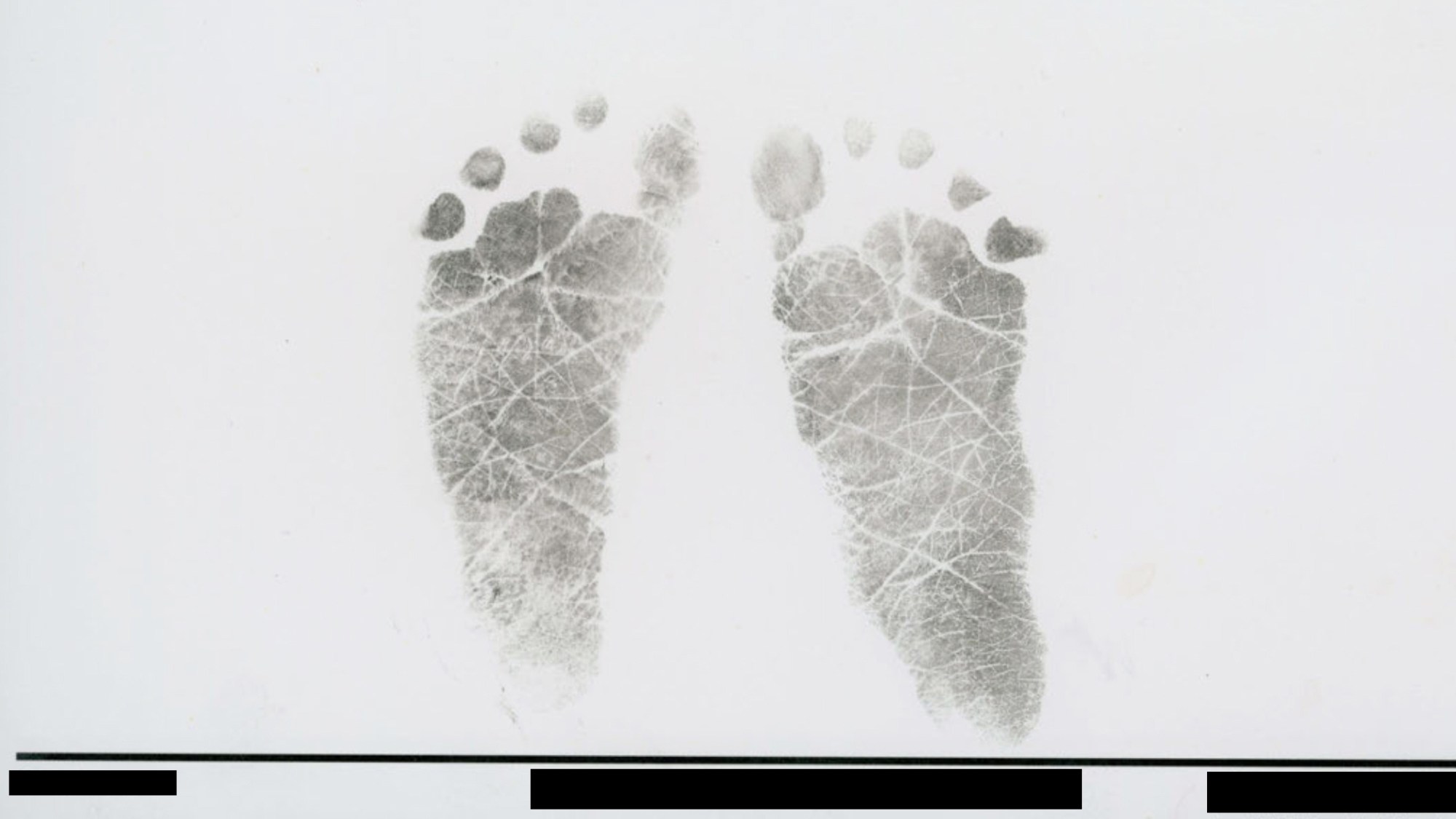
The autopsies underscored just how preventable these deaths could have been. Seeing the tiny footprints of one of those babies in the autopsy records is a haunting reminder of that.
Parents frame their baby’s footprints to hang on the wall or tuck into keepsake boxes. The footprints often elicit a rush of happy memories.
But when those footprints appear in autopsy records, they transform into a tragic reminder of how tiny the babies were when they died.