
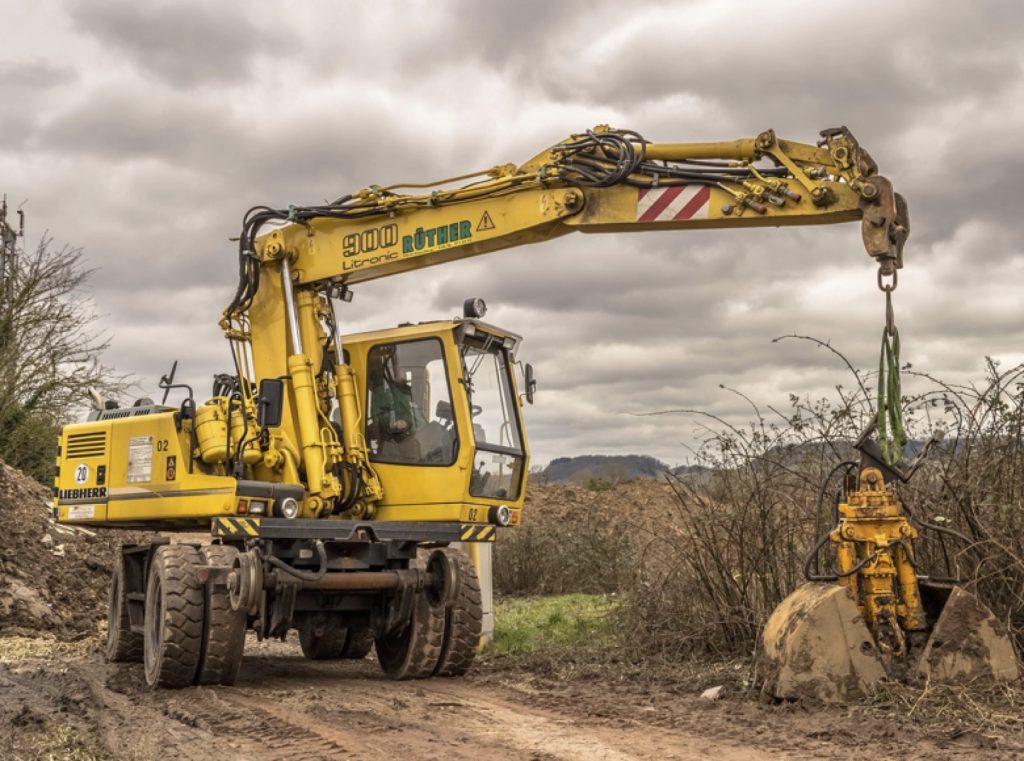
This year presents unprecedented opportunities for aspiring entrepreneurs looking to enter the equipment rental business. As industries worldwide continue to rebound from recent economic disruptions, the demand for rental equipment is experiencing a noteworthy surge. Establishing your equipment rental venture now could position you perfectly to capitalize on these trends and carve out a successful niche in the market.

Capitalizing on Global Market Trends
The global industrial scene is currently experiencing a paradigm shift, with an increasing inclination towards renting rather than buying equipment. This trend is particularly pronounced in sectors such as construction and safety equipment, driven by a need for cost efficiency and flexible solutions. In an analysis by Grand View Research, it was projected that the global safety equipment and systems market, having generated 4,947.4 million USD in 2024, is likely to reach a staggering 12,425.2 million USD by 2030. This substantial growth signifies a ripe opportunity for new businesses to enter the market.
This expected market expansion highlights a growing preference for operational flexibility, which rental services adeptly provide. Businesses can adjust their equipment needs according to project demands without the upfront costs associated with purchasing. As a result, this accessibility and adaptability present a compelling proposition for clients, thereby strengthening the business case for entering the rental market now.
Moreover, the increasing environmental consciousness among enterprises further bolsters the rental industry’s appeal. By opting to rent rather than purchase, companies can significantly reduce their carbon footprint. This shift aligns with global sustainability efforts and enhances the reputation of businesses committed to eco-friendly practices.
The Increasing Adoption of Rental Solutions in the United States
The trend of renting over owning equipment is especially prominent in the United States construction sector. Notably, an analysis by Reservety revealed that a substantial 84% of construction companies prefer renting equipment to buying it (source: Reservety). This preference underscores the cost-effective advantages and operational agility provided by the rental model.
For many construction firms, renting provides a combination of economic and logistical benefits. It allows them to access a wide variety of equipment types and models without exhaustive investment. This flexibility enables construction companies to remain competitive by leveraging the latest technologies without the financial burden of ownership.
The trend also reflects a strategic shift in resource allocation among construction firms. By minimizing capital expenditure on equipment, companies can allocate resources more efficiently towards project management and operational efficiency. Consequently, this operational model opens up lucrative business opportunities for those entering the rental market.
Understanding the Technical Landscape and Overcoming Barriers
Despite the promising business environment, launching an equipment rental venture does come with technical challenges. Prospective business owners must navigate various technical requirements and industry standards to ensure the seamless operation of their services. According to IAEI Magazine, there are three primary types of safety barriers extensively used in the industry: Zener barriers, Isolation barriers, and Ex-ia I/O (source: IAEI Magazine). A thorough understanding of these elements is crucial for the business to offer reliable and compliant rental services.
Technical acumen is essential not only for ensuring the safety and reliability of the equipment but also for gaining the trust of clients who rely on them for crucial operations. Proper implementation of safety barriers safeguards equipment against electrical disruptions and potential hazards, thus assuring businesses of equipment integrity.
Overcoming these technical barriers requires investment in skilled personnel and consistent training initiatives. By building a robust technical support team, your rental business will be better equipped to provide high-quality, dependable services, thereby enhancing customer loyalty and satisfaction.
The current market conditions make it an optimal period to initiate your equipment rental venture. With industry trends favoring rental solutions and the global market expansion presenting abundant opportunities, entrepreneurs can harness these dynamics to build a successful business. By understanding market needs, overcoming technical challenges, and effectively tapping into the demand, your equipment rental service can thrive in this lucrative business landscape.