

I know, I know—you probably rolled your eyes after seeing the title (but if you still continued reading, then THANK YOU), and probably expected another one of those X fanboy switches to Y scenarios that are all the rage on YouTube right now. While the subject matter does sound cliche’ it’s something that I’ve long pondered on, and if you’re a smartphone nerd like a lot of us here on Phandroid then you’d probably understand how we feel about stuff like this.
I’ve long adored Pixel smartphones. When I first got my Pixel 3a back in 2020 (just a few years after the launch of the very first Pixel phone), I was instantly hooked. Coming from Samsung and Redmi phones at the time, experiencing Google’s very own vision for Android really won me over—pretty much everything from the clean interface, timely software updates and the exceptional camera were standout features to me, and I continued using Pixel phones several years down the line.
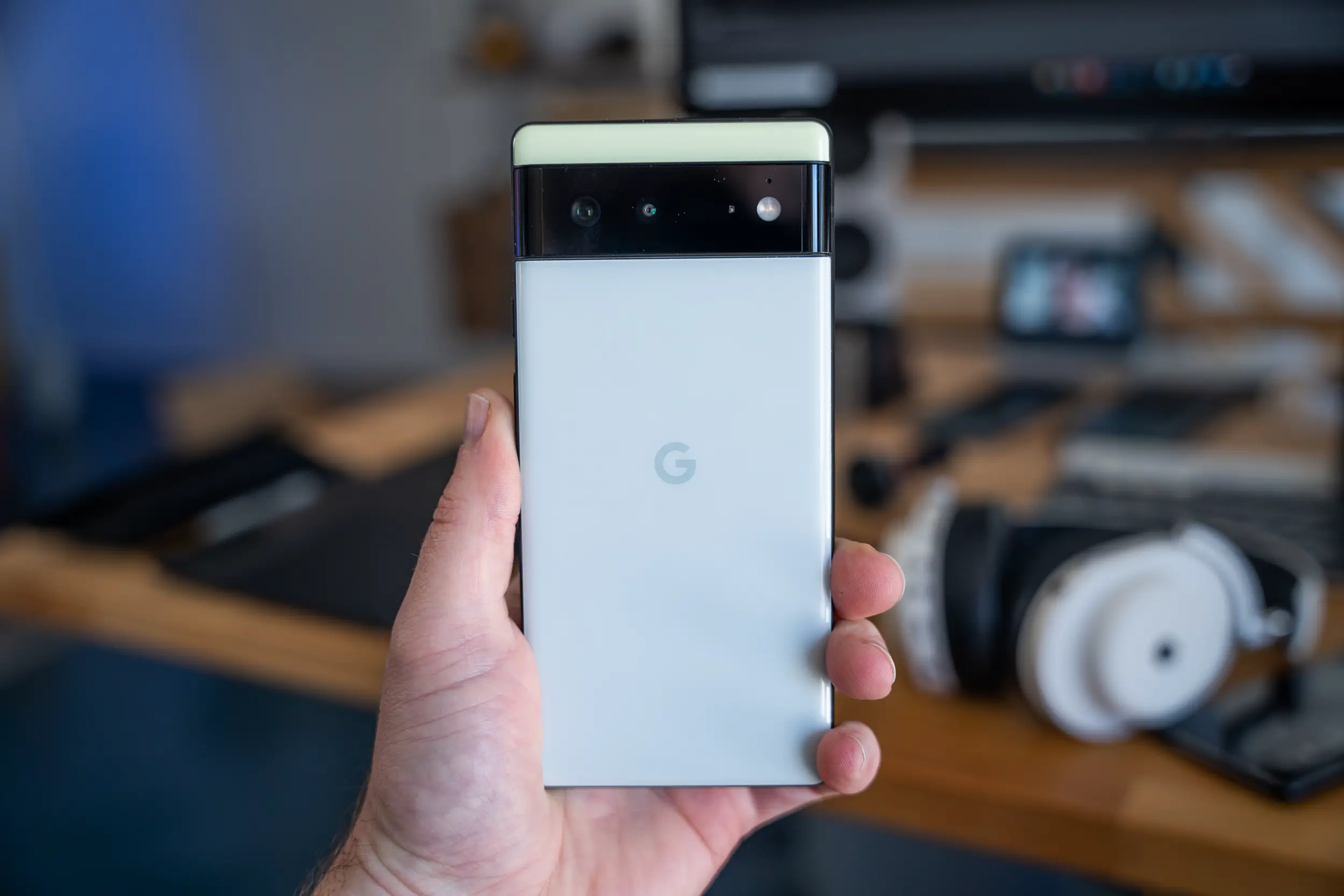
The introduction of the Pixel 6 series in particular was memorable for me. Google finally caught up with rival manufacturers in terms of premium design and hardware while improving existing software features and camera performance, and even going so far as to develop their own smartphone chip. I was glued to my computer every year when Google hosted their launch events, longing for the latest Pixel to fall into my hands.
The phones themselves weren’t perfect, but I was willing to overlook these small issues in lieu of the overall performance of the device. I waited patiently for a software fix for the Pixel 6’s Bluetooth and WiFi issues, I held my breath when the Pixel 7’s camera lens covers cracked for no reason, I breathed a sigh of relief when my Pixel 8’s screen seemed safe from the “green line” issues, and so on. I even got over the fact that the Pixels effectively doubled as hand warmers every time I used their cameras or 5G data connections, courtesy of the Tensor processors.
I even got over the fact that the Pixels effectively doubled as hand warmers every time I used their cameras or 5G data connections…
Despite their somewhat many issues, I mostly stuck with Pixels due to their impressive cameras and software features. It also helped that they were considerably more affordable than Samsung Galaxy devices and iPhones, although that would change soon—and so did my preferences (if you’re curious, I’m using a Galaxy S25 right now).
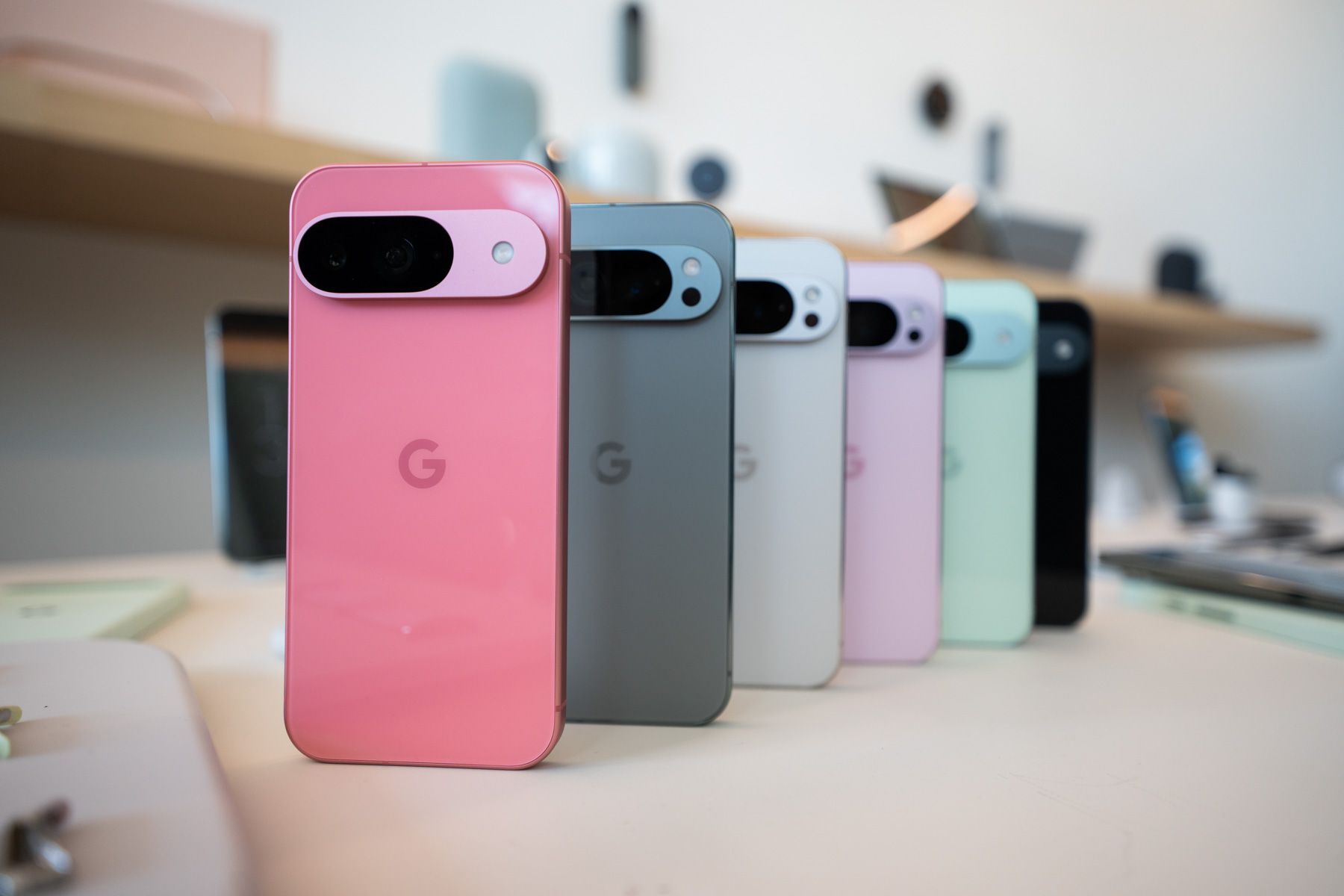
Looking at all the impressive hardware and performance that we’ve gotten from brands like Qualcomm and Apple in recent years, at some point I had to stop and consider what I was missing out on with Pixel phones, especially with Google jacking up their prices. There was this notion of Pixel devices not being up to par with rival handsets, a lot of which often came with more impressive hardware, more reliable batteries, and better build quality as well.
Surprisingly enough, some of these phones even featured more capable camera hardware than what Google was offering with its own smartphones. It seemed that in its bid to continue optimizing software features and capabilities at the expense of hardware, Google was falling behind the competition, and falling fast. There was always this notion of “well, next year’s Pixel will be better,” but at some point it got tiring saying that, even as a die-hard fan.
There was always this notion of “well, next year’s Pixel will be better,” but at some point it got tiring saying that, even as a die-hard fan.
It doesn’t help that Google has been nerfing a lot of its older smartphones as of late, rolling out last-ditch software attempts in order to make up for poor battery hardware in a good number of its phones. Even some of its newer phones like the Pixel 9a are already facing potential issues with the battery, which doesn’t exactly instil a lot of confidence for owners.
On the other hand, you could argue that I’m being impatient and that the Pixel 10 will bring big changes and improvements, but at this point I’m far past that. I just want a tried-and-true Android user experience in a premium package that feels worth the investment, without the drawbacks of Google’s hardware limitations, without any “what ifs” and “maybes” involved in the long-term user experience.

And as for my experience with the Galaxy S25 so far, it’s been great. I haven’t had any battery anxiety (unlike with most of my Pixels), One UI’s customizability surprisingly feels refreshing, and the camera—while not perfect—is very capable in most situations, especially for someone like me who’s very much NOT a professional photographer, and instead just needs a reliable smartphone camera for occasional use.
Sure, there are some Pixel features I miss, such as the Call Screening function, the Smart Voice Typing features and Voice Recorder to name a few, but these are features that I don’t really use heavily, and can live without. I don’t even think that I need to mention that some Pixel features don’t work worldwide, with Google locking them away for select markets.
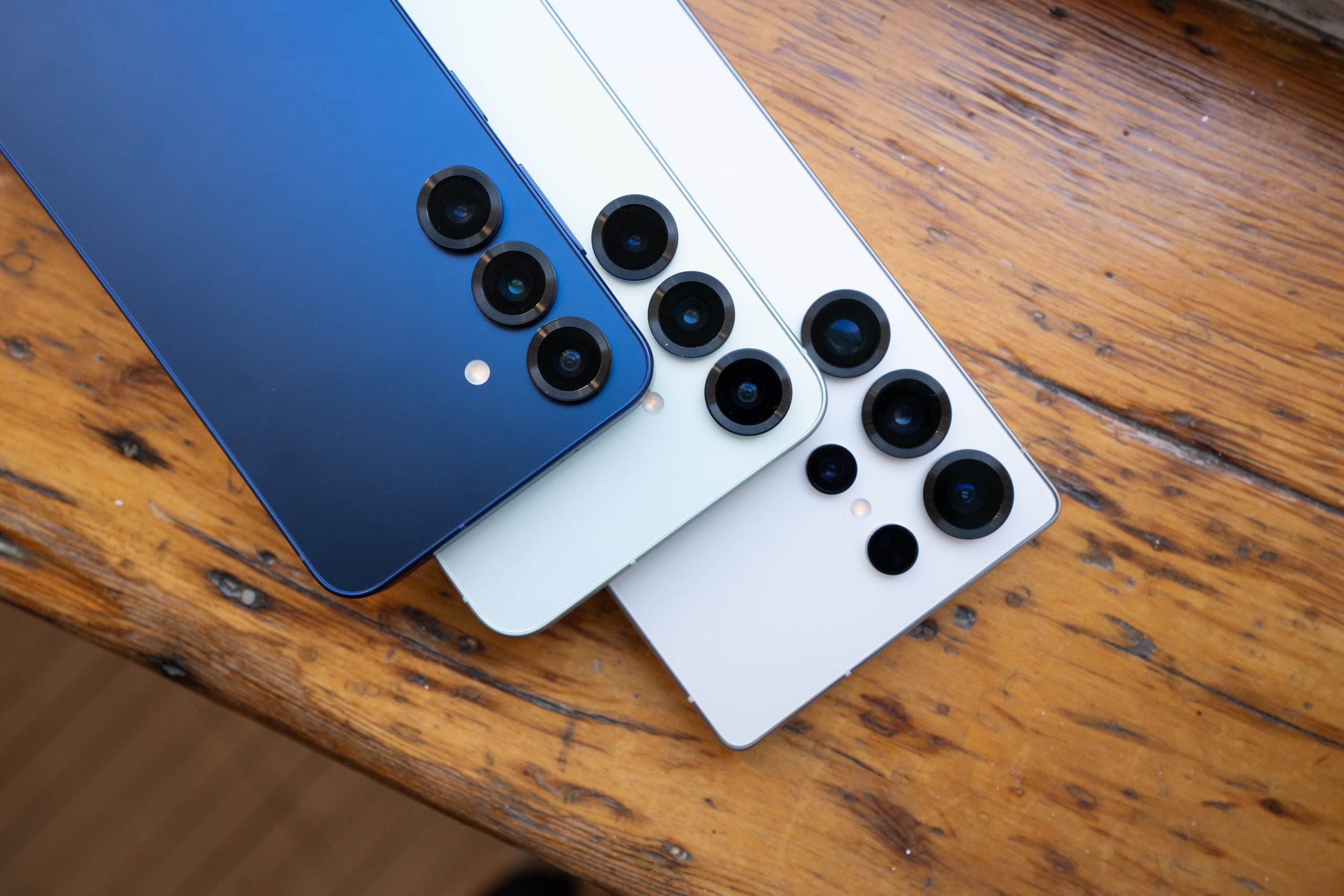
If this reads like a “hate” post, it isn’t. It’s simply the ramblings of a consumer whose relationship with Google’s smartphone hardware has gone stale, and has decided to move on. I’m not even asking you to stop buying Pixel phones—if you love them, then by all means go for the phone which best fits your needs. It’s just that they don’t exactly fit mine right now.
The post Why I’ve Completely Ditched Google’s Pixel Smartphones appeared first on Phandroid.