
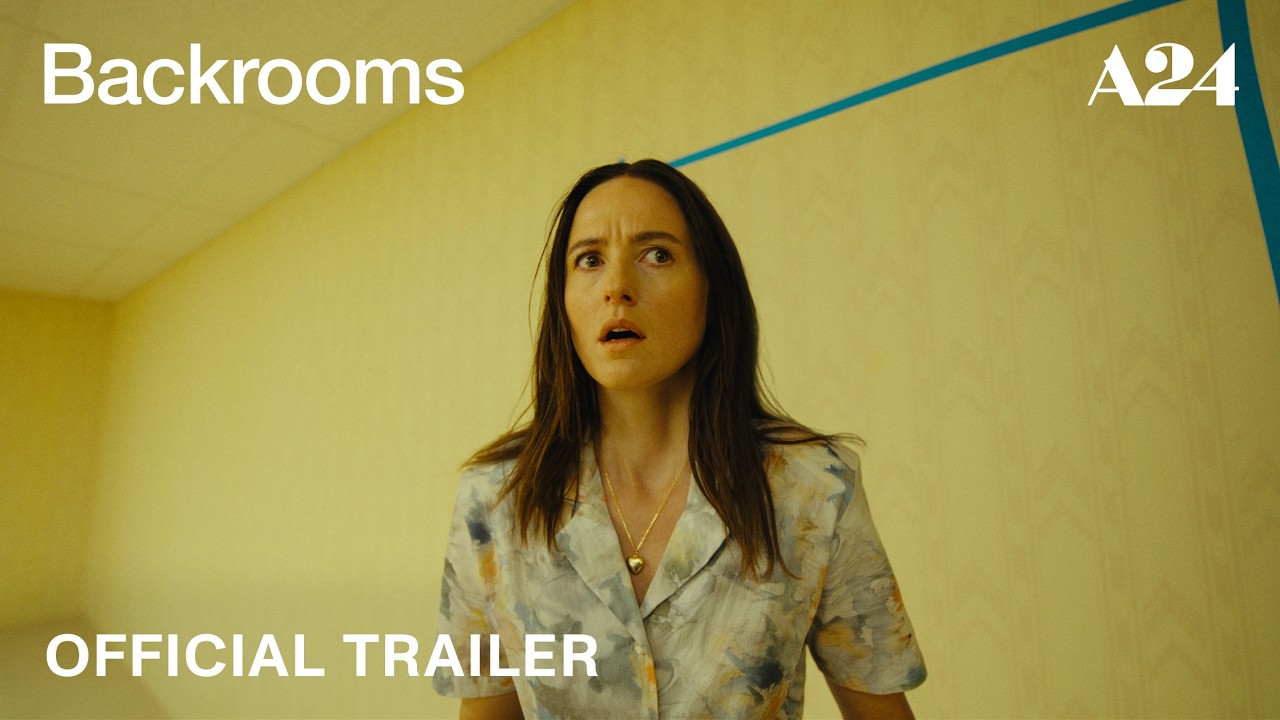
Internet horror evolves into cinematic nightmare. A doorway leads to endless surreal horror
A mysterious doorway appears in the basement of a furniture showroom, opening into a vast, disorienting labyrinth of endless rooms. What begins as curiosity quickly turns into a descent into an uncanny, hostile environment where logic no longer applies.As characters venture deeper, they confront isolation, paranoia, and unseen threats lurking within the endless maze. The film frames this space as both physical and psychological, turning exploration into a fight for survival and sanity.
Why It Is Trending: Viral internet horror becomes mainstream cinema
The film is trending due to its origins in internet horror culture, specifically the viral “Backrooms” concept that gained massive traction online. Its transition from digital folklore to a major production reflects the growing influence of internet-born storytelling in mainstream cinema. The premise taps into liminal space anxiety, a modern fear rooted in emptiness, repetition, and disconnection. Its association with studios like A24 adds credibility and anticipation among horror audiences. Additionally, the project represents a new generation of filmmakers emerging directly from online platforms.
Elements Driving the Trend: Liminal horror and digital-age fearThe film builds on the unsettling concept of endless, empty spaces that feel both familiar and wrong. It uses minimalism and repetition to create psychological discomfort. The absence of clear threats amplifies fear through uncertainty. Visual aesthetics mirror analog horror and found-footage traditions. This aligns with a broader trend of atmospheric, concept-driven horror.
Virality of Movie (Social Media Coverage): Internet-origin phenomenonThe Backrooms concept already has a massive online following. Trailers and teasers have fueled anticipation across digital communities.
Critics Reception: Anticipated as a genre evolutionEarly buzz highlights its potential to redefine modern horror aesthetics. Critics and audiences are closely watching its transition from concept to feature film.
Awards and Recognitions: Pre-release anticipation phaseAs a 2026 release, the film currently has no recorded IMDb-listed wins or nominations, reflecting its pre-release status ahead of festival and award cycles.
A simple concept expands into existential horror. It transforms space into a psychological threat. Its power lies in atmosphere and uncertainty. This is horror rooted in modern digital anxiety. It reflects a new era of storytelling shaped by the internet.
What Movie Trend Is Followed: Internet-born liminal space horror
The film follows the trend of internet-born horror concepts evolving into mainstream cinematic experiences. It transforms a digital-age myth into a structured narrative while preserving its abstract and unsettling nature. The story reflects a shift toward horror that prioritizes atmosphere, ambiguity, and psychological unease over traditional jump scares. It aligns with contemporary horror exploring liminal spaces—environments that feel familiar yet disturbingly empty. This trend emphasizes existential fear, where the unknown is more terrifying than any visible threat.
Trend Drivers: Digital folklore and viral storytellingFilmmakers are increasingly adapting internet-origin concepts into films, recognizing their built-in audience and cultural relevance. The Backrooms phenomenon demonstrates how collective imagination shapes modern horror. Directors like Kane Parsons bring authenticity by originating from these online communities. Minimalist environments allow for cost-effective yet impactful storytelling. This reflects a broader shift toward decentralized content creation influencing mainstream cinema.
What Is Influencing Trend: Online culture and analog horror aestheticsThe rise of YouTube horror, analog aesthetics, and found-footage formats shapes narrative style. These stories reflect digital-era fears of isolation and disconnection.
Macro Trends Influencing: Expansion of experimental horrorStudios are increasingly investing in unconventional horror concepts. Audiences are more open to abstract and non-linear storytelling.
Consumer Trends Influencing: Demand for immersive and atmospheric fearViewers are seeking horror experiences that create lingering unease rather than immediate shock. Atmosphere and concept are becoming key engagement drivers.
Audience Analysis: Digital-native and horror-savvy viewersThe film appeals primarily to audiences aged 15–35 who are familiar with internet culture and experimental horror. These viewers value originality, atmosphere, and conceptual depth. They are highly engaged with online communities and viral content. The audience includes horror enthusiasts, gamers, and digital-native viewers seeking immersive experiences. This segment is highly influential in driving hype and cultural impact.
An empty space becomes a source of fear. It transforms familiarity into unease. The narrative avoids traditional horror structures. This trend emphasizes atmosphere over action. It signals a new direction for digital-age horror storytelling.
Final Verdict: A defining leap from internet myth to cinematic horror
The film positions itself as a landmark example of how digital-age storytelling can evolve into mainstream cinema. It reflects a broader shift toward concept-driven horror that prioritizes atmosphere and psychological tension over traditional narrative structures. Its strength lies in its originality, cultural relevance, and ability to translate abstract fear into a cinematic experience. While its experimental nature may challenge conventional audiences, it reinforces its role as a genre innovator. Over time, it stands as a potential benchmark for internet-born horror adaptations.
Audience Relevance: Highly resonant with digital-native viewersIt strongly connects with audiences familiar with internet horror culture and liminal space concepts.Traditional horror audiences may find its abstract approach unconventional.
What Is the Message of Movie: Fear exists in the unknown and infiniteThe film suggests that endless, undefined spaces create deeper psychological fear than visible threats.It explores how isolation and disorientation affect perception and sanity.
Relevance to Audience: Modern digital anxietyIt reflects contemporary fears of disconnection, emptiness, and loss of control.It resonates with audiences navigating increasingly digital and fragmented realities.
Social Relevance: Isolation in connected worldsExplores how modern environments can feel both populated and empty.Highlights the paradox of connection and loneliness.
Performance: Atmosphere-led with grounded performancesChiwetel Ejiofor and Renate Reinsve anchor the narrative within an otherwise abstract environment.The cast enhances immersion through restrained and reactive performances.
Legacy: A blueprint for internet-origin horror filmsIt may redefine how viral concepts transition into feature-length cinema.Likely to influence future adaptations of digital folklore.
Success: Anticipated cultural and commercial impactWith a production backed by A24 and strong online following, the film is positioned for significant cultural reach.As a pre-release title, it currently has no recorded IMDb-listed wins or nominations.
Insights: Digital fear reshapes cinematic storytelling
Industry Insight: The film signals a turning point where internet-born concepts gain legitimacy within mainstream cinema. It highlights how studios are increasingly investing in unconventional, creator-driven ideas. It also demonstrates the growing influence of digital-native filmmakers on the industry.Audience Insight: Viewers are increasingly drawn to immersive, concept-driven horror that reflects modern anxieties. However, accessibility depends on balancing abstraction with narrative clarity. Audiences engaging with such films often value atmosphere over traditional storytelling.Social Insight: The narrative reflects a world where isolation exists despite constant connectivity. It mirrors psychological effects of navigating digital and impersonal environments. These themes resonate strongly with younger, digitally immersed audiences.Cultural Insight: The film captures a cultural shift where online myths become shared collective experiences. It aligns with evolving storytelling shaped by internet communities. This reinforces cinema’s role in adapting and amplifying digital culture.
An endless space becomes a reflection of modern fear. It transforms simplicity into psychological tension. Its strength lies in atmosphere and concept. It reflects a generation shaped by digital environments. It ultimately stands as a new frontier in horror storytelling.
Summary of the Movie: When reality breaks into endless fear
• Movie themes:Isolation and existential fear — A simple doorway leads to an infinite, disorienting space that challenges perception, sanity, and survival
• Movie director:Digital-native horror visionary — Kane Parsons translates an internet-born concept into a cinematic experience, blending analog horror aesthetics with immersive storytelling
• Top casting:Grounded performances in abstract horror — Chiwetel Ejiofor and Renate Reinsve anchor the narrative within a surreal and unsettling environment
• Awards and recognition:Currently no IMDb-listed wins or nominations, reflecting its upcoming May 29, 2026 release and pre-award stage
• Why to watch movie:A unique, atmospheric horror experience that brings viral internet mythology into mainstream cinema
• Key Success Factors:Comparable to modern experimental horror, distinguished by its origin in digital folklore and focus on liminal space terror
• Where to watch:Releases May 29, 2026 (United States) — expected theatrical release with wide anticipation among horror audiences