
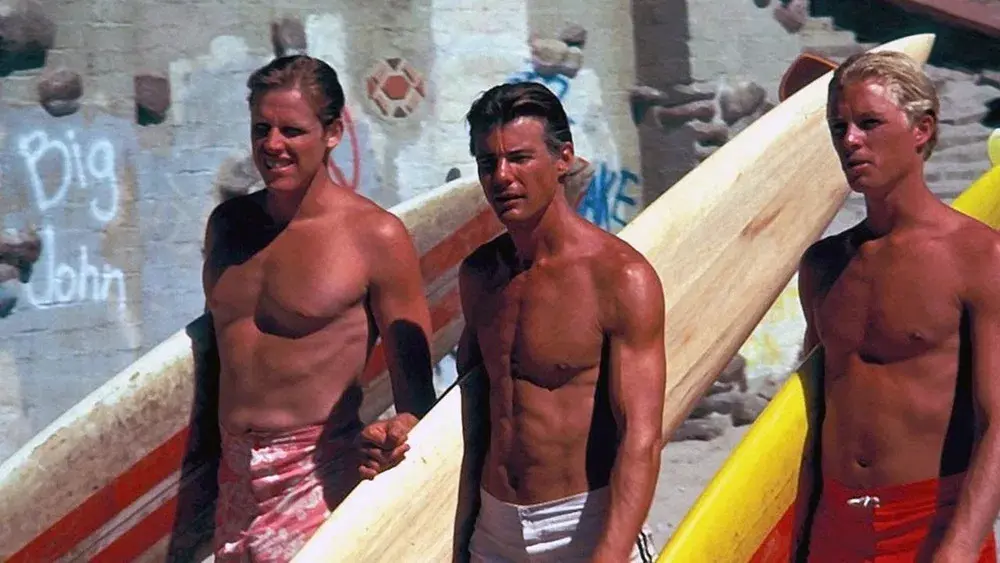
Remember the mythic waves, the fractured friendships, and the slow death of American innocence under the Southern California sun?
Big Wednesday wasn’t just another beach movie. Director John Milius’s 1978 cult surf drama was a sprawling, melancholic epic that charted twelve turbulent years in the lives of three Malibu surfers as they navigated the shift from carefree hedonism to the grim realities of Vietnam. Based loosely on Milius and co-writer Dennis Aaberg’s own experiences in Malibu, it wore its ambitions on its sun-bleached sleeve.
Nearly five decades later, as the film resurfaces on streaming platforms in 2026, the fascination with the actors who rode those massive swells remains strong.
But what happened to the cast of Big Wednesday?
The Big Wednesday cast then and now spans tragic losses, steady character work, and unexpected cult fame. Lead Jan-Michael Vincent achieved massive television stardom before a devastating personal decline. Gary Busey became a prolific action star turned reality personality. William Katt remains active in independent film today.
One supporting player swapped his surfboard for a razor glove and became a global horror icon. Another never won a major award despite six decades of relentless work. And several of the cast’s brightest character actors didn’t make it out of their fifties.
Big Wednesday Cast Then and Now (2026)
Quick Reference: Big Wednesday Cast Status
Deceased (Died 2019, Age 74)
Active (Age 75)
The Greatest American Hero
Semi-Active (Age 81)
The Buddy Holly Story
Active (Age 78)
Valley Girl
Retired (Age 74)
New York Undercover
Active (Age 78)
A Nightmare on Elm Street
Jan-Michael Vincent (Matt Johnson) — Then & Now
Status: Deceased — 10 February 2019, aged 74, cardiac arrest
THEN: At 33, Jan-Michael Vincent was an ascending Hollywood heartthrob who brought raw, lived-in physicality to the role of Matt Johnson, the self-destructive local prodigy. A capable surfer in real life, Vincent didn’t need to fake the effortless cool. He just had to let the vulnerability leak through the cracks.
His Matt balanced bravado with an aching sadness — a golden boy slowly crumbling under the weight of his own myth. The performance worked because Vincent inhabited the silences between the swagger.
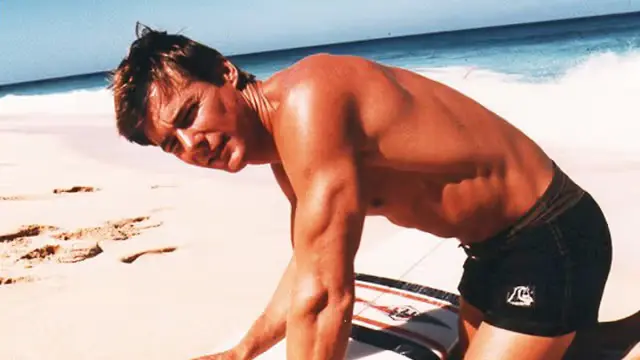
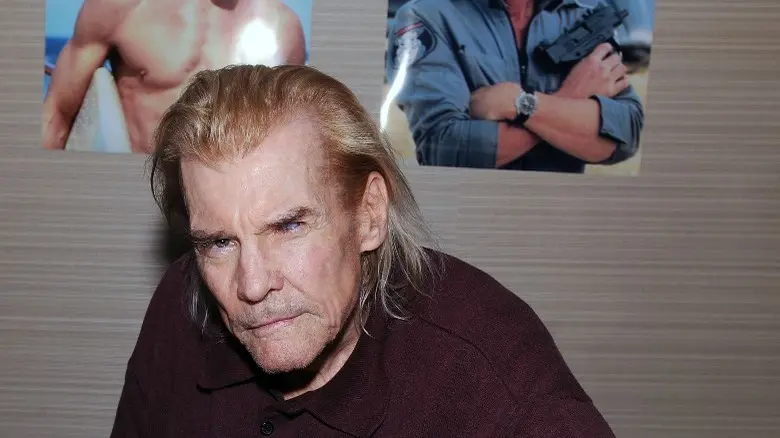
NOW: Following the film, Vincent hit the absolute pinnacle of commercial television fame. He reportedly earned $200,000 per episode as the star of 1980s hit series Airwolf. But his career and personal life unravelled entirely under the weight of severe substance abuse.
Related Article: What Happened To Jan-Michael Vincent?
A 1997 car crash permanently damaged his vocal cords. A peripheral artery infection in 2010 led to the amputation of his lower right leg. He passed away from cardiac arrest in 2019, largely forgotten by the industry that once courted him.
“In the end, life imitated art so precisely that watching Big Wednesday now feels less like a film and more like a farewell. – RZ”
William Katt (Jack Barlow) — Then & Now
Status: Active — working in voiceover and independent film in 2026
THEN: William Katt was 26 and fresh off his breakthrough as the ill-fated prom date in Brian De Palma’s horror masterpiece Carrie. Cast as Jack Barlow — the responsible, straight-laced centre of the surfing trio — Katt was a lifelong wave-rider who performed much of his own surfing on camera.
He embodied the character who willingly ships off to Vietnam without complaint. The stoic counterweight to his chaotic friends.
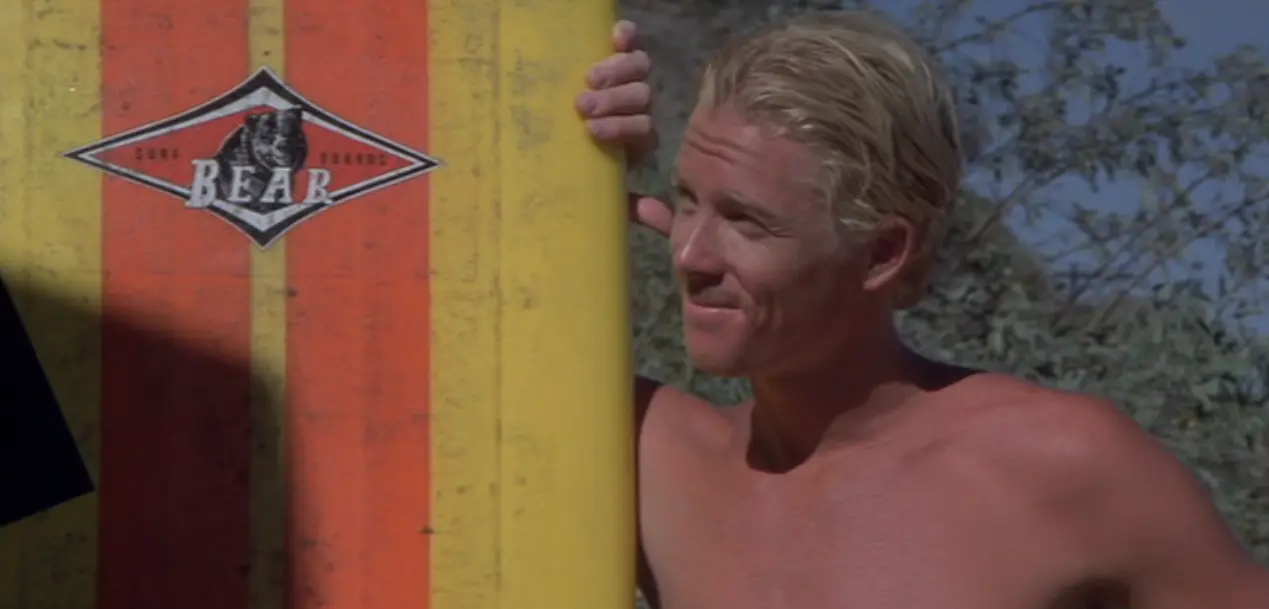
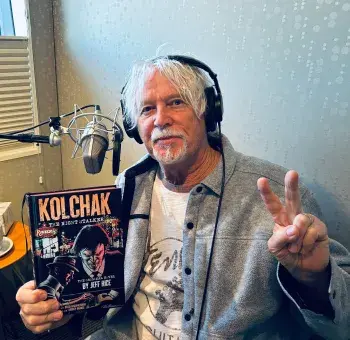
NOW: Katt cemented his place in television history shortly after by starring in the beloved cult series The Greatest American Hero. He built a steady, multi-decade career spanning stage, directing, and acting, including a long run of Perry Mason television films alongside his real-life mother, Barbara Hale.
Now 75, Katt continues working in 2026. He lends his voice to audiobook projects like Kolchak: The Night Stalker and appears in independent features, including the March 2026 release When We Get There. Quiet consistency, it turns out, has its own kind of heroism.
Gary Busey (Leroy ‘The Masochist’ Smith) — Then & Now
Status: Semi-Active — public persona shifted following 1988 accident and 2025 conviction
THEN: Gary Busey was experiencing an unprecedented career peak in 1978. His Oscar-nominated turn in The Buddy Holly Story came the same year he played the chaotic, pain-loving Leroy Smith.
He’d never surfed before in his life. Didn’t matter. Busey threw himself into intensive training and eventually paddled out into 12-foot Hawaiian swells alongside his stunt doubles. His unhinged, fearless energy gave the film its pulse.
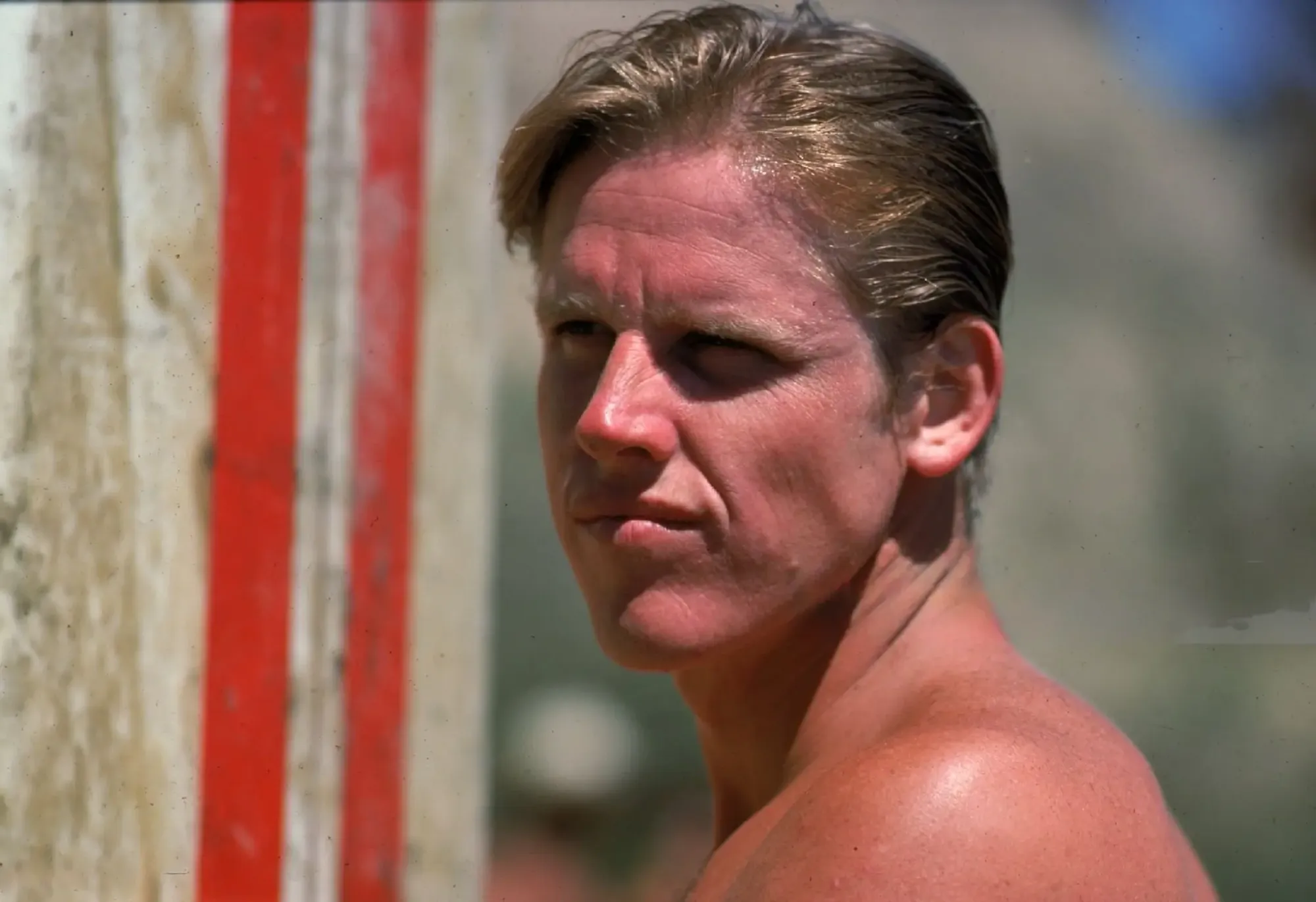
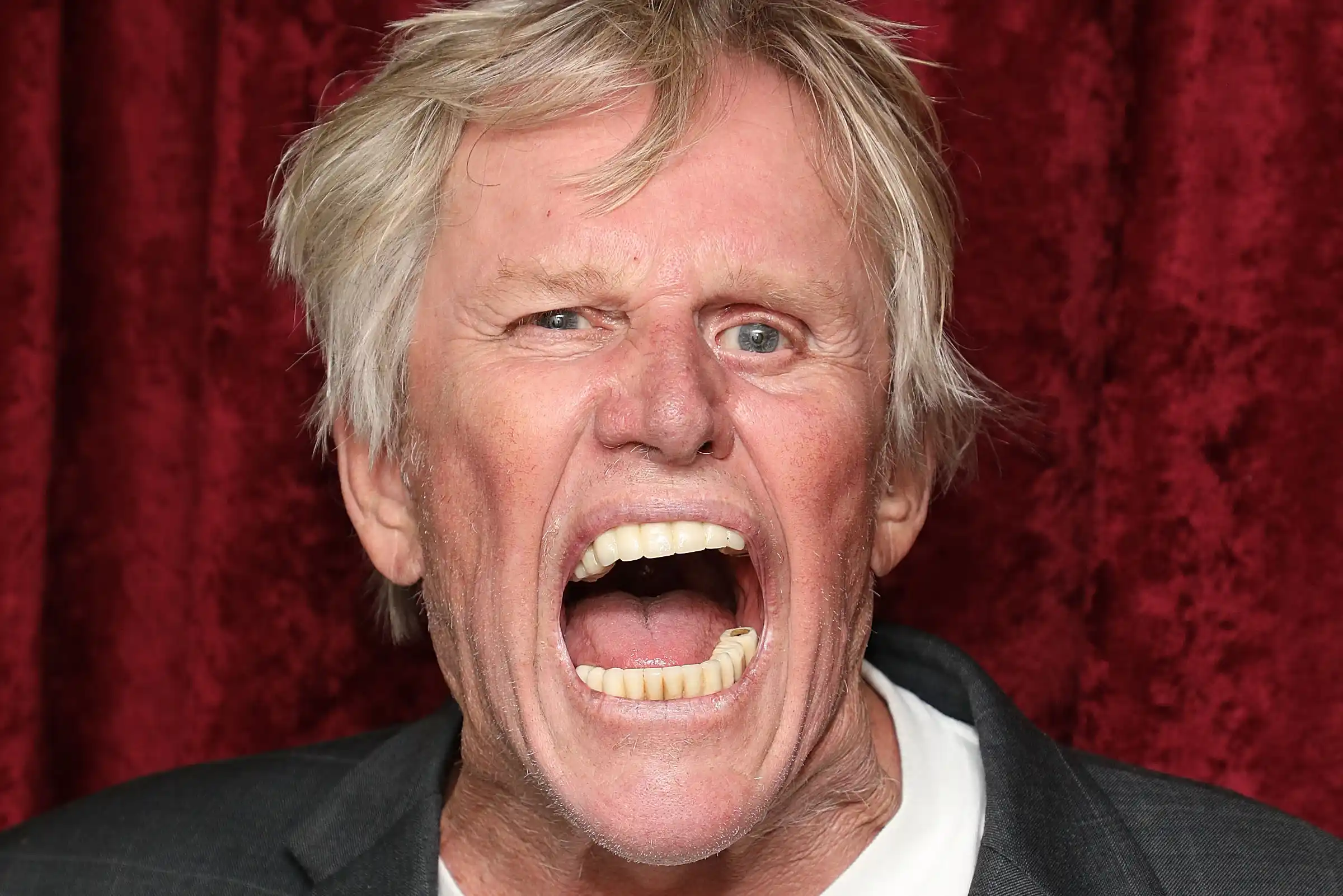
NOW: Busey evolved into a prolific action star throughout the late 1980s and 1990s, landing iconic roles in Lethal Weapon and the surf-heist classic Point Break. After the 1988 motorcycle crash that nearly killed him — and left him with a serious brain injury — his public persona became increasingly unfiltered and unpredictable. This led to a late-career pivot into reality television, where that persona became a lucrative brand.
He was sentenced to two years’ probation in September 2025.
Lee Purcell (Peggy Gordon) — Then & Now
Status: Active — serves on the national governance boards of SAG-AFTRA
THEN: Lee Purcell was a classically trained actress whose film career began when she was personally selected by Steve McQueen to star in his Solar Productions’ Adam at 6 A.M. opposite a young Michael Douglas. McQueen became her mentor — an experience she has spoken about with deep gratitude in interviews spanning decades.
She won the role of Matt Johnson’s fiercely loyal wife after an audition that’s become industry folklore. When director John Milius demanded she prove her physical fitness in swimwear, the appalled but determined 30-year-old had a plan. She walked into Warner Bros. in a trench coat. Opened it. Got the job.
“
During filming, she secretly kept her face covered with a towel while tanning to prevent sun damage…
— endlessly baffling Milius.
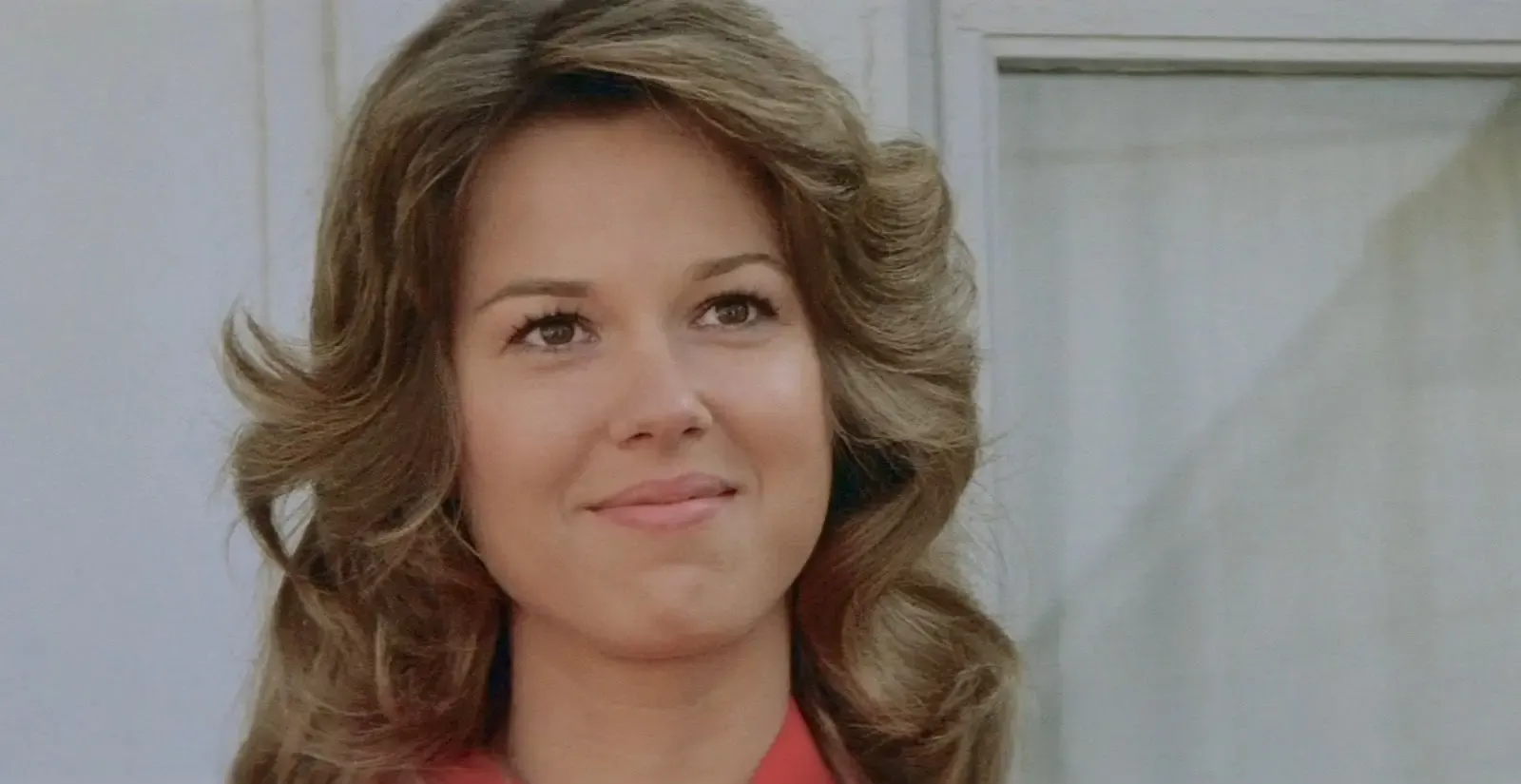
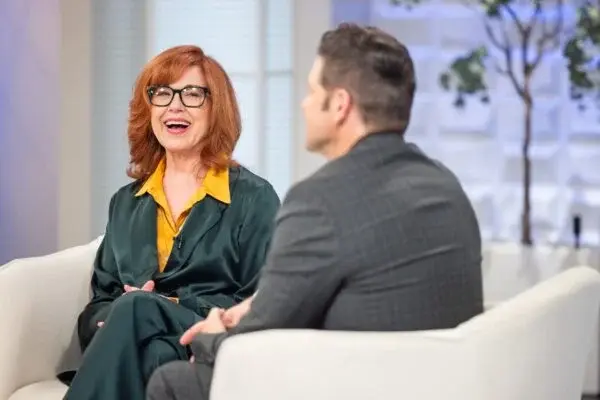
NOW: Purcell built an extensive resume after the film, starring in the cult classic Valley Girl and earning two Primetime Emmy Award nominations for her dramatic television work in the 1990s.
Today at 78, she remains a force behind the scenes. She serves on the national governance boards of SAG-AFTRA and acts as a voting member for both the Academy of Motion Picture Arts and Sciences and the Television Academy. Her last major acting role was the 2019 feature Carol of the Bells.
Rewind Zone Feature
Cast
Retrospectives
Life after the credits roll. Track down the legends, the walk-ons, and the icons of cinema’s greatest eras to see where they are now.
Explore The Hub ➞
Patti D’Arbanville (Sally) — Then & Now
Status: Retired — living in Tryon, North Carolina
THEN: Before Hollywood, there was Cat Stevens. A young Patti D’Arbanville was the romantic muse who inspired the singer-songwriter’s enduring 1970 hit Lady D’Arbanville — and, many believe, Wild World as well.
Emerging from the New York underground art scene as an Andy Warhol model, the 26-year-old was cast as Sally, the wide-eyed diner waitress still getting the hang of surf culture. Her character ultimately breaks Jack Barlow’s heart by abandoning him hours before his deployment to Vietnam.
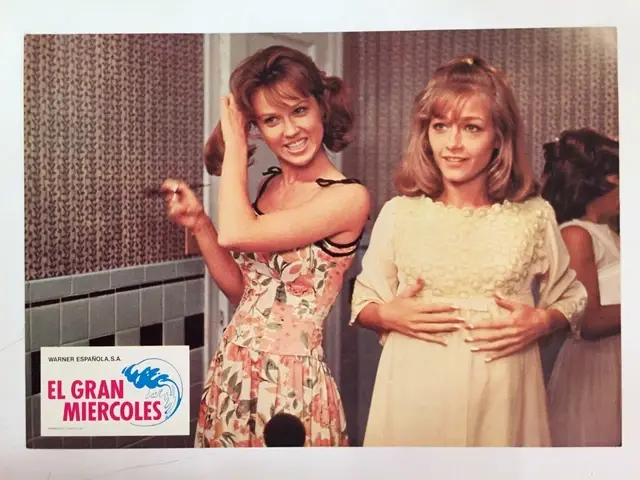
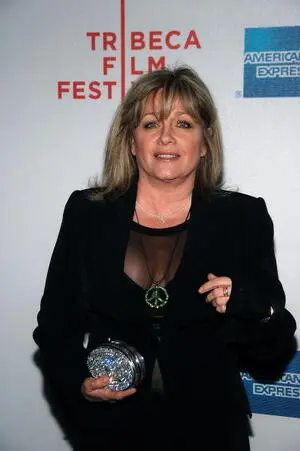
NOW: D’Arbanville enjoyed a successful network television career, most notably starring as the tough, authoritative Lt. Virginia Cooper on the groundbreaking 1990s police drama New York Undercover. Her personal life frequently intersected with celebrity culture, including a well-publicised relationship with Don Johnson.
Now 74, she stepped away from the industry in 2011 and settled in Tryon, North Carolina, where she crafts artisanal jewellery at the Tryon Arts and Crafts School. From Warhol’s Factory to the Blue Ridge Mountains — that’s a journey even Milius couldn’t have scripted.
Robert Englund (Fly, The Narrator) — Then & Now
Status: Active — honoured with a Hollywood Walk of Fame star on Halloween 2025
THEN: Classically trained at the American branch of the Royal Academy of Dramatic Art at Oakland University, a 30-year-old Robert Englund was navigating the studio system as a reliable supporting player when he landed the role of Fly. He provided the crucial, melancholic voiceover narration that poetically bridges the film’s vast time jumps.
To immerse himself in the beach culture, Englund rented a Malibu beach house and spent his downtime between takes fishing off the porch.
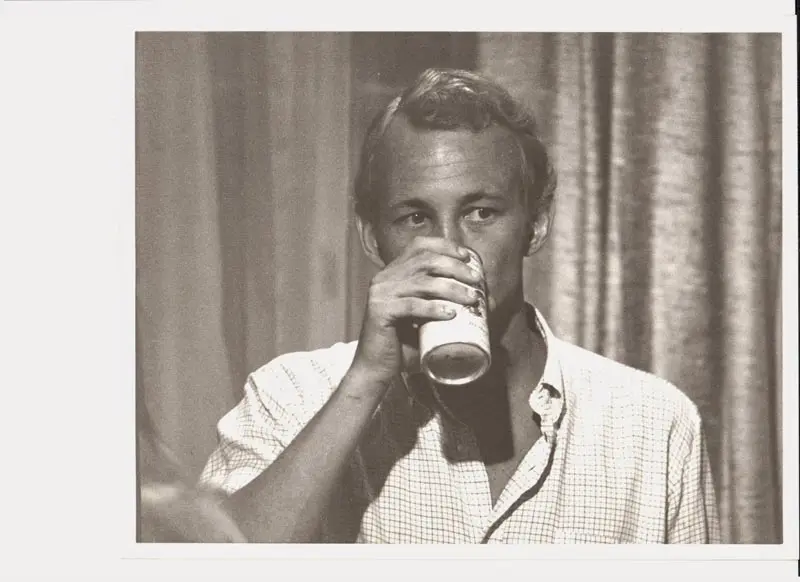
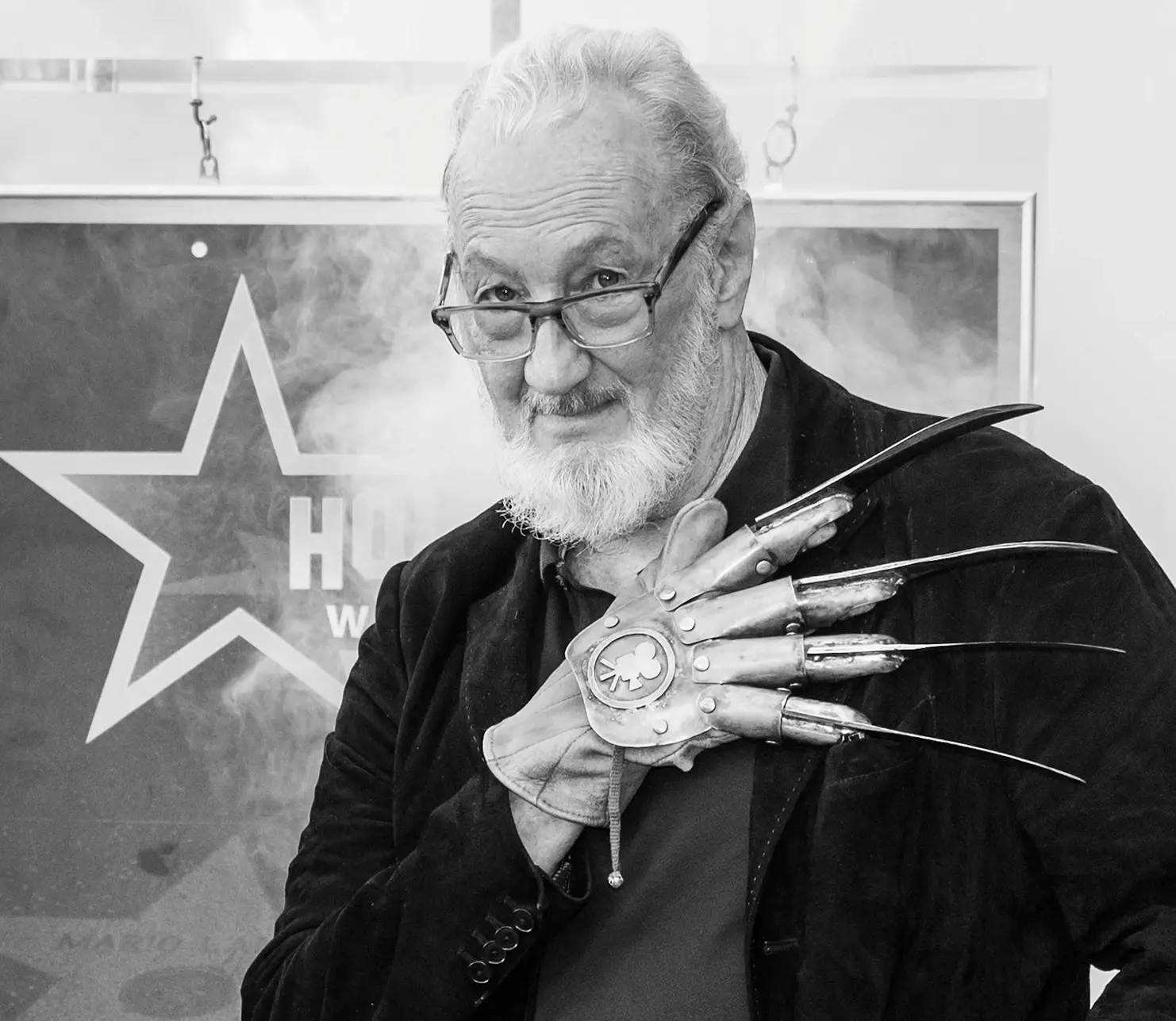
NOW: Six years after playing a mellow surfer, Englund permanently altered the landscape of horror cinema. He introduced the razor-gloved killer Freddy Krueger in Wes Craven’s A Nightmare on Elm Street and reprised the iconic villain across seven sequels. He became one of the most recognisable pop-culture figures of the 20th century.
Of course he did.
Supporting Big Wednesday Cast: Where Are They Now?
The supporting roster tells its own story. Not all of them made it.
Sam Melville played Bear, the mythic surfboard shaper who served as the film’s philosophical anchor — the man who, as the narrator says, “knew where the waves came from, and why.” Melville continued working steadily in television throughout the 1980s before passing away from sudden heart failure in 1989 at just 52. In a remarkable twist, the fictional Bear Surfboards brand created for his character evolved into a real, commercially successful surfing apparel company. Status: Deceased, 1989.
The growling New York character actor Joe Spinell — beloved for Rocky, Taxi Driver, and The Godfather Part II — was cast brilliantly against type as the exhausted military psychiatrist evaluating Busey’s draft-dodging antics. Spinell suffered from haemophilia throughout his life. In January 1989, he slipped in his shower, cut himself badly, and bled to death in his Queens apartment after falling asleep on his couch instead of seeking help. He was 52. A cruel, senseless end for one of the city’s finest character actors. Status: Deceased, 1989.
Barbara Hale was television royalty. Best known as Della Street on the long-running Perry Mason series, she brought warmth to the role of Jack’s mother — a casting choice made perfect by the fact she was William Katt’s actual mother. Big Wednesday was her final theatrical feature. She passed away peacefully in 2017 at 94. Status: Deceased, 2017.
Then there was the real thing. Surfing icon Gerry Lopez — known worldwide as ‘Mr. Pipeline’ — provided a cameo that bridged Hollywood fabrication and authentic wave-riding mythology. He later co-starred with Milius in Conan the Barbarian. At 77, Lopez remains a revered elder statesman of the sport. Status: Active.
Darrell Fetty played the sweet-natured younger surfer whose off-screen combat death marks the moment the group’s innocence dies. He transitioned behind the camera with impressive results, earning a Primetime Emmy Award nomination in 2012 for producing the massive miniseries Hatfields & McCoys. Status: Active, producing.
Reb Brown, the physically imposing beach guardian known as the Enforcer, did exactly what you’d expect with that frame — he parlayed it into starring as the titular Marvel superhero in two 1979 Captain America television films before becoming a cult-favourite B-action star. Status: Semi-retired.
The Making of Big Wednesday: Budget, Flop, and Cult Redemption
The production of Big Wednesday is a case study in 1970s Hollywood ambition gone sideways.
Initially greenlit by Warner Bros. with a modest $6 million budget, Milius’s uncompromising pursuit of authenticity pushed final costs to an estimated $11 million. Expensive camera equipment was destroyed in the surf. A location shoot in El Salvador collapsed when waves refused to materialise.
$6 million
with a modest budget, Milius’s uncompromising pursuit of authenticity pus
To capture the immersive wave-riding sequences, pioneering cinematographer George Greenough dismantled a priceless studio camera to fit it inside a custom fibreglass underwater camera casing. The things people did for a wave.
Upon its release on 26 May 1978, the film was a financial disaster — grossing roughly $4.5 million domestically before being yanked from theatres. Surfers rejected its melancholy. Mainstream audiences were baffled by the marketing. Nobody came.
Ironically, Milius had swapped a single percentage point of the film’s profits with close friends George Lucas and Steven Spielberg for points on Star Wars and Close Encounters of the Third Kind. That informal deal made Milius extraordinarily wealthy despite his own film tanking. Even in Hollywood, losing can be winning.
Is Big Wednesday a Cult Classic Today?
Over the decades that followed, Big Wednesday underwent a thorough critical re-evaluation. It emerged as the undisputed cult classic of surf cinema.
— QUENTIN TARANTINO
Championed by directors including Tarantino, the film is now revered for its sweeping cinematography by Bruce Surtees and its mythic score by composer Basil Poledouris. As we approach the 50th anniversary in May 2028, its influence on surf culture endures — kept alive by modern streaming rediscovery and the enduring real-world success of the Bear Surfboards brand.
Was Big Wednesday a Box Office Flop?
Spectacularly so. Big Wednesday grossed roughly $4.5 million against an $11 million budget, making it one of 1978’s biggest commercial disappointments. Warner Bros. pulled it quickly.
The core surfing audience rejected the film’s melancholic tone. They wanted wave-riding spectacle, not a twelve-year epic about loss and ageing. A misguided marketing campaign made things worse by misrepresenting the film’s actual content.
The financial sting was partially offset by Milius’s profit-sharing deal with Lucas and Spielberg, which paid dividends for decades. And the film’s eventual cult status proved that box office numbers don’t always get the last word.
Did the Cast of Big Wednesday Actually Surf?
Several of them did — and that authenticity is visible on screen.
Jan-Michael Vincent was a capable, passionate surfer in his private life. That physical credibility is hard to fake and impossible to miss. William Katt was a lifelong wave-rider who performed much of his own surfing during filming. Real-life surfing icon Gerry Lopez appeared as himself, bridging the gap between Hollywood and the genuine article.
Gary Busey was the exception. He’d never touched a board before casting. He committed to intensive training and eventually paddled into serious Hawaiian swells, though professional stunt surfers handled the most dangerous big-wave sequences in the climactic finale, shot at Sunset Beach in Hawaii.
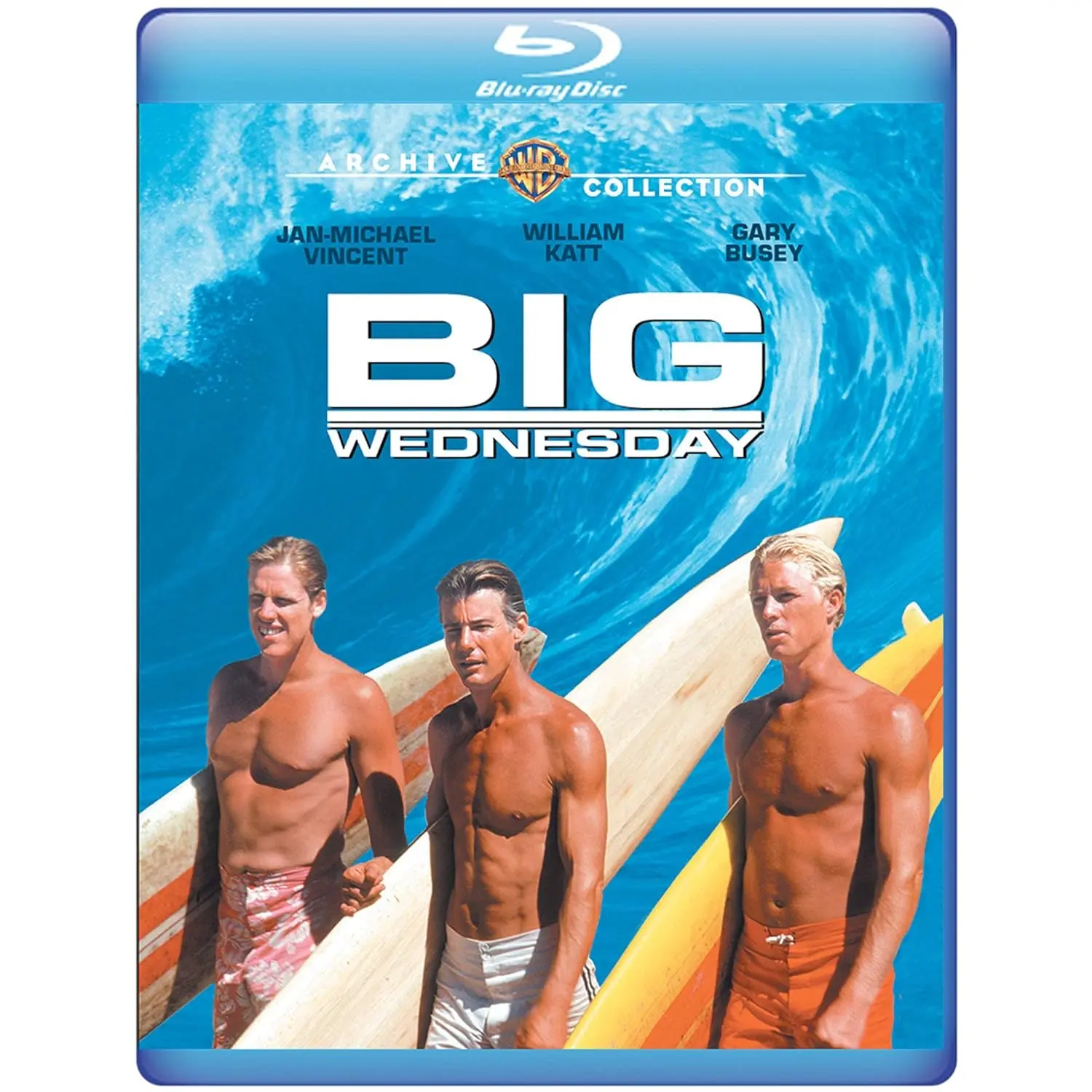
Where Can I Buy Big Wednesday in 2026?
Big Wednesday Cast Then and Now: Closing Thoughts
Looking at the Big Wednesday cast then and now reveals a profound, sometimes heartbreaking contrast between the golden invincibility of youth captured on film and the turbulent decades that followed.
Vincent’s devastating struggles. Englund’s reign as a horror king. Katt’s quiet persistence. Purcell’s behind-the-scenes influence. D’Arbanville’s retreat to the mountains. Busey becoming something else entirely.
The Big Wednesday cast then and now followed paths as unpredictable as the ocean itself — proof that the lives behind the screen are often stranger and more dramatic than anything a scriptwriter could invent.
Yet whenever you press play in 2026, Matt, Jack, and Leroy are forever young. Waiting on the beach for the Great Swell.