
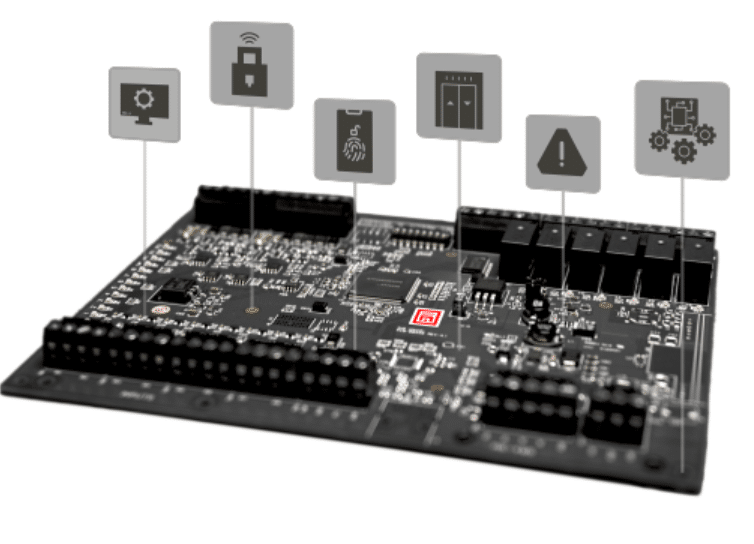
A new controller-level application environment is now commercially live, enabling secure edge-based innovation and faster partner integrations.
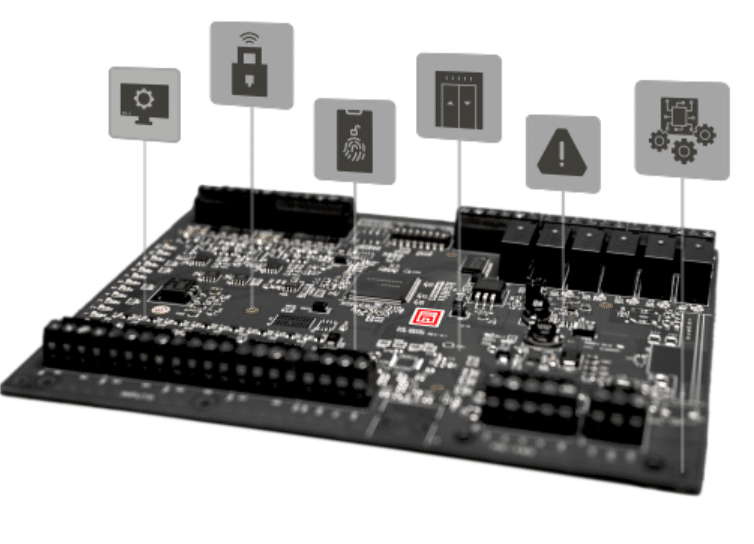
The access control industry is entering a new phase as embedded application environments transition from pilot to commercial reality. The latest rollout by Mercury Security marks a shift toward running applications directly on intelligent controllers, reducing reliance on upstream systems and middleware.

Initially introduced to expand the controller’s capabilities, the platform is now operational, with active developer onboarding and early partner applications already in progress. The move signals a broader industry trend: pushing intelligence to the edge to improve speed, resilience and scalability.
The key features are:
- Native application execution directly on controllers
- Open architecture for partner and OEM development
- Structured onboarding with security validation
- Edge-based processing for reduced latency
- Seamless integration with cloud and device ecosystems
At its core, the environment enables approved applications to run natively on controllers equipped with updated firmware. This approach allows organisations to embed business logic at the hardware level, unlocking faster processing, tighter integrations and improved system autonomy without overhauling existing infrastructure.
A structured developer onboarding framework underpins the rollout. Technology partners are required to follow a multi-step process that includes proposal submission, technical validation, access to development tools and a final security review. This ensures that applications meet performance benchmarks and cybersecurity requirements before deployment.
The ecosystem is already gaining traction, with multiple partners developing applications that highlight real-world use cases. These include direct device-to-device communication without middleware, integration with cloud-connected security operations, and digital identity verification at the edge. Together, they demonstrate how embedded applications can streamline operations, enhance visibility and reduce system complexity.
The shift also reflects a growing demand for flexible, open architectures. By enabling innovation at the controller level, the platform allows OEMs and developers to differentiate their offerings while enabling end users to scale and adapt systems over time.
Security remains central to the environment, with rigorous testing and governance protocols ensuring application integrity. As compliance requirements evolve, the platform supports incremental upgrades rather than full system replacements—an approach that aligns with modern enterprise needs.
Click here for the original announcement.