
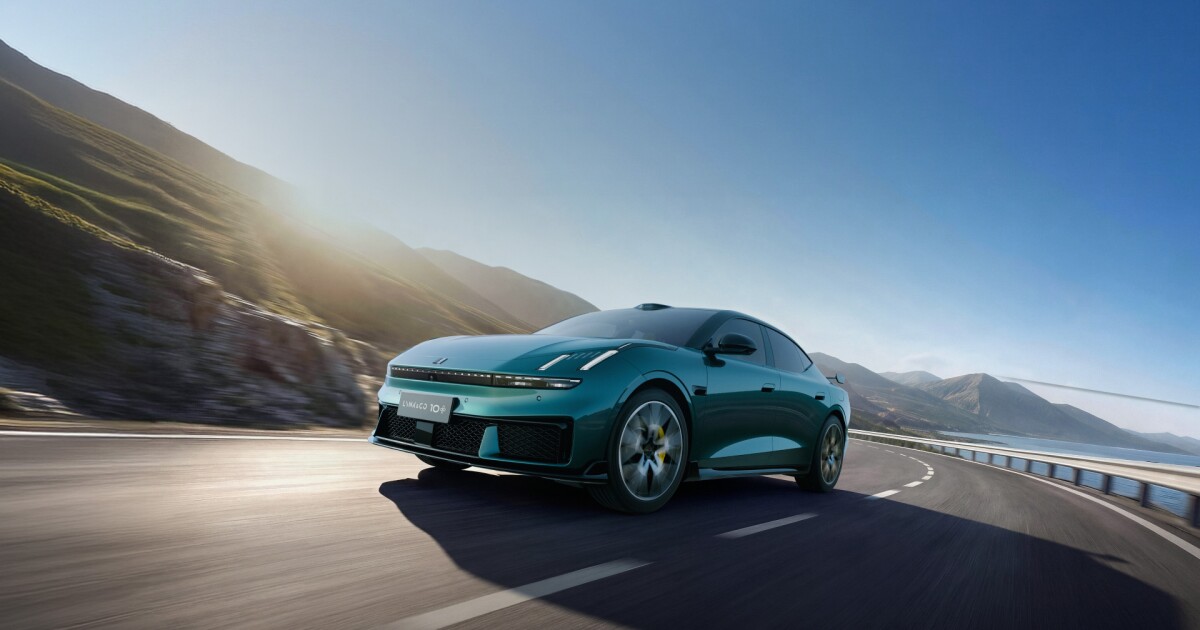
The electric vehicle (EV) space is in a weird one right now. On one hand, we’ve got brands chasing top speeds like there’s no tomorrow. On the other hand, we’ve got a mileage battle popping up, with BYD claiming the top spot in that department (for now).
The race for battery supremacy seems to be heating up at the moment. Just recently, I covered Verge’s Donut Motor offshoot, claiming to have achieved a 10 to 50% charge time of five minutes for its solid-state battery for motorcycles.
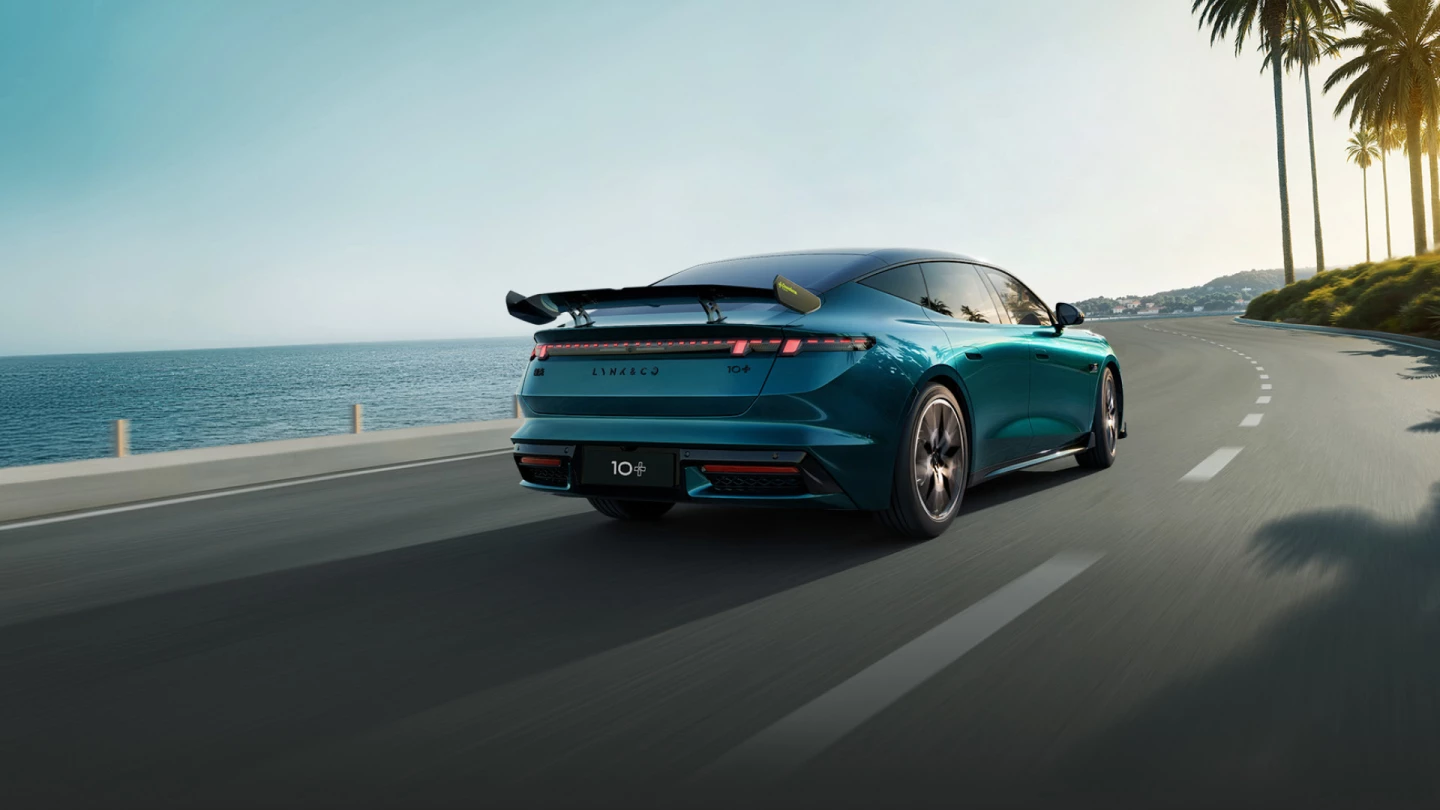
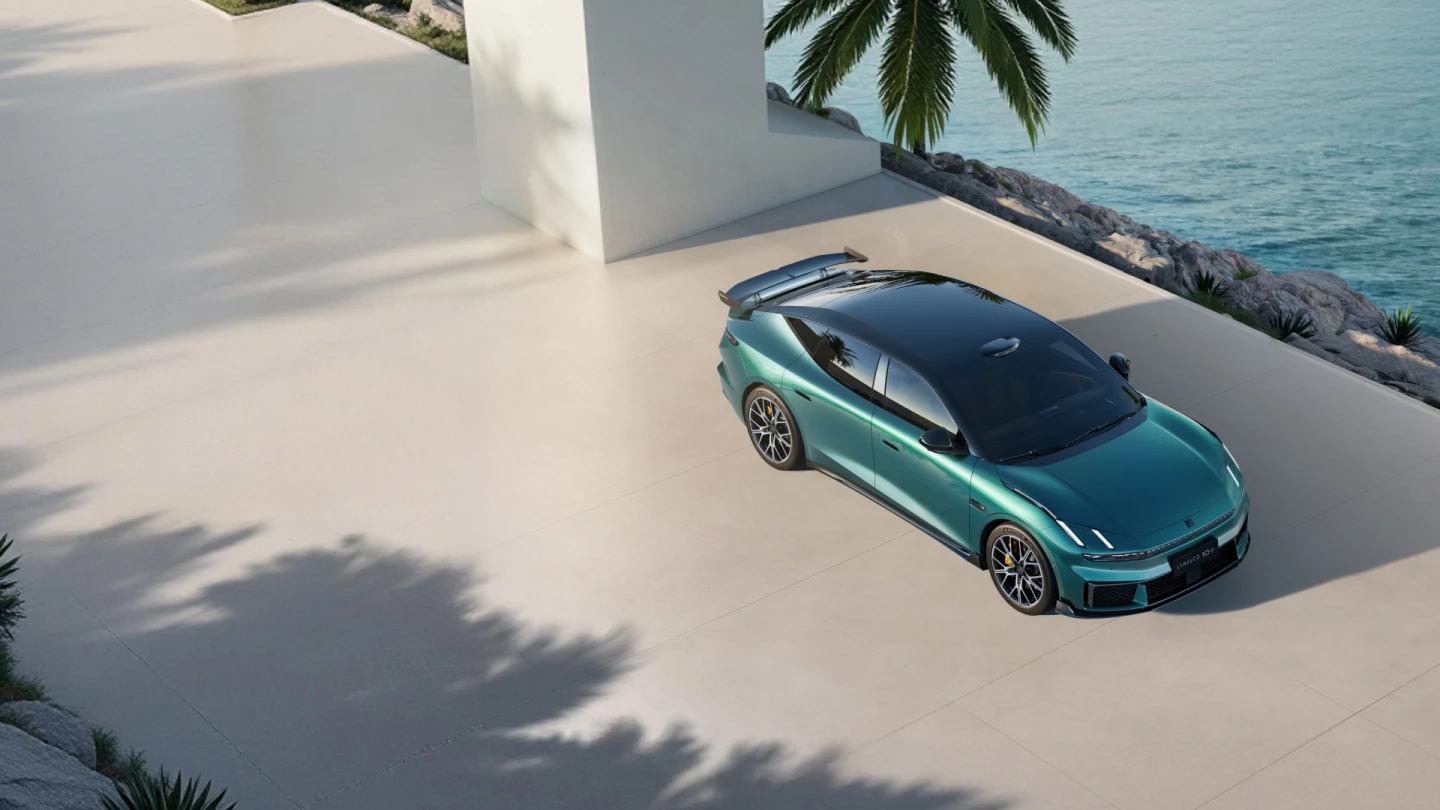
And now, it’s the turn of electric cars, with Geely’s Lynk & Co brand announcing that its new 900V Energee Golden Brick Battery can top up in never-before-seen times. Figures claim 10% to 70% in 4 minutes and 22 seconds, 10% to 80% in 5 minutes and 32 seconds, and 10% to 97% in 8 minutes and 42 seconds. Insane, right?
Those times pip BYD’s latest and greatest Blade 2.0 megawatt flash charging to the charging post, which takes 5 minutes to go from 10% to 70% and 9 minutes to go from 10% to 97%. A new EV charging benchmark has just been created.
Geely
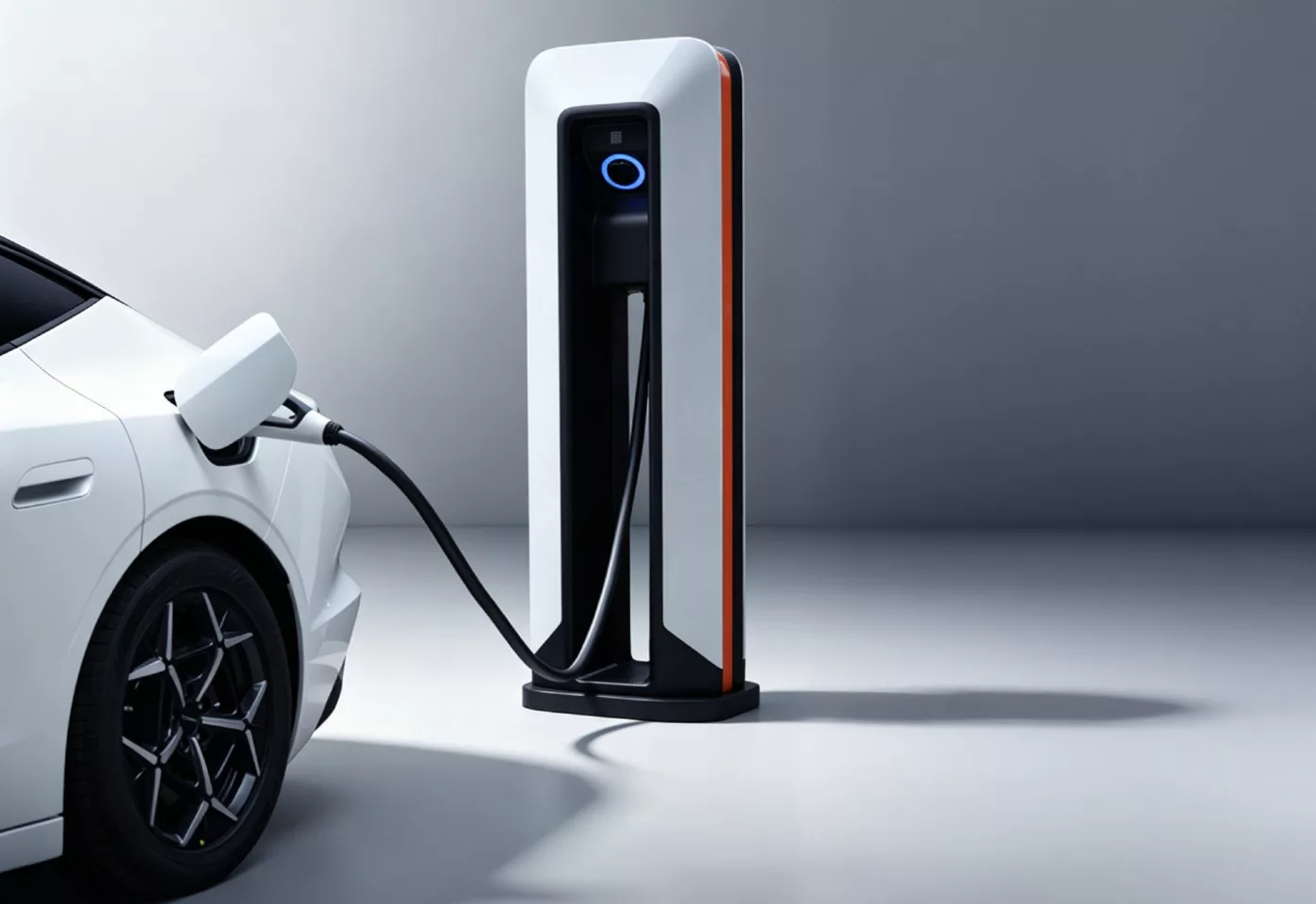
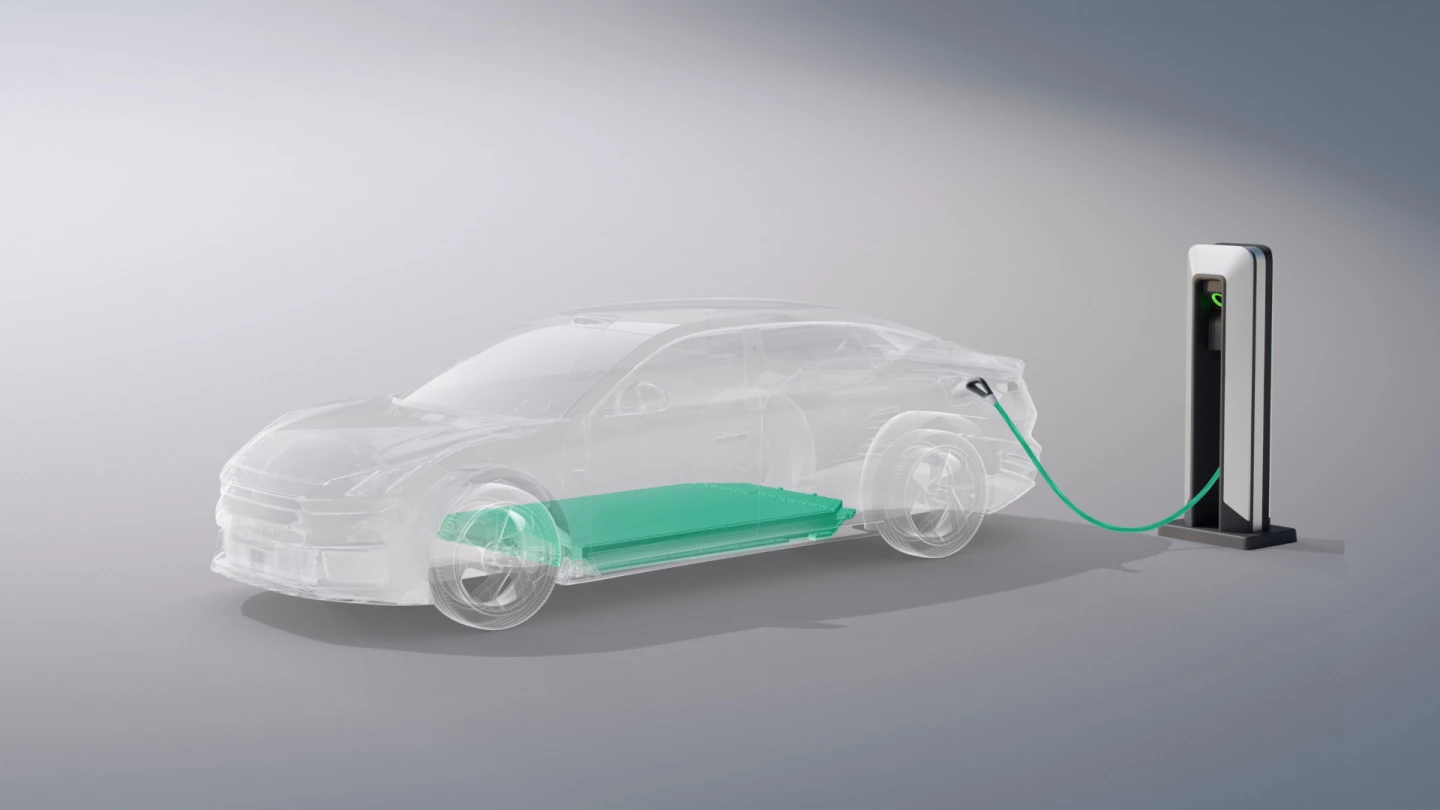
At low battery levels, Geely’s new battery can support peak charging power of 1,100 kW. When the battery hits 75% capacity, the system reduces that to roughly 500 kW. And when the car reaches 97%, it further decreases to 350 kW. But even at that point, the charger’s power is comparable to some quicker chargers at their best.
Of course, this system’s liquid-cooled to make sure everything remains efficient, and battery degradation slows down. But not everyone’s convinced this is the way to go for EVs. BMW battery production boss Markus Fallböhmer recently remarked that “you always have to be careful with those kinds of announcements… One performance indicator can be optimized, but other aspects must be compromised.”
Fallböhmer noted that while quicker charging times are useful to have in EVs, it often comes at the cost of long-term battery life, safety, and performance. That’s not to say Geely’s feat is any less impressive. But there’s a caveat. Lynk & Co.’s test employed Zeekr’s V4 megawatt flash charging piles, which are not yet widely available outside of China. Even in China, Zeekr reports that as of the end of February 2026, Geely’s self-built charging network had established 10,212 charging piles and 2,103 charging stations in 215 cities around the country.
Lynk & Co
This comprises 5,468 ultra-fast charging piles, 1,216 800-V ultra-fast charging stations, and 6,269 stations in highway service areas. BYD, on the other hand, installed its 5,000th megawatt flash charging station earlier this month, with plans to construct 20,000 stations by the end of the year to meet the rising demands.
Sure, Geely’s network is expanding, but it’s still at a fraction of the size of BYD. Thus, even if Geely were to leapfrog BYD in charge times as of today, it would be the company developing the infrastructure the quickest that would come out victorious.
And we haven’t even talked about the exosystem outside China. Geely’s headline-grabbing 4.22-minute charge time sounds like the future arriving ahead of schedule – but step outside of China, and the picture gets a lot more grounded. Because a battery that can gulp down electrons that quickly is only as useful as the ecosystem supporting it.
Take Europe – the most mature EV market outside China – for instance. Geely doesn’t actually own a proprietary charging network. Instead, it leans on access to hundreds of thousands of public chargers stitched together through partnerships. Impressive on paper, sure, but most of that infrastructure tops out far below the kind of speeds this new battery is built to exploit.
Lynk & Co
That’s where the gap becomes obvious. It’s one thing to build a battery like that; it’s another to find a charger in the real world that can deliver that experience. Europe’s fastest widely deployed chargers today still sit in the 350 kW bracket, and even those aren’t exactly on every corner.
And when you consider the USA, that’s even further off. There are effectively zero public charging networks for BYD or Geely in the States, with the US charging ecosystem dominated by the likes of the Tesla Supercharger network, Electrify America, and ChargePoint. BYD is currently only working on private/fleet deployments.
So while Geely’s breakthrough screams potential, the supporting cast – grid capacity, charger density, and standardization – is still catching up. In other words, the tech is sprinting ahead, but the infrastructure is jogging behind.
Lynk & Co
And that’s really the crux of it. The future might technically be here, but it’s geographically selective. At least for now.
Source: Lynk & Co via CarNewsChina