
The year 2026 has brought a “reality check” for the tech industry. The novelty of AI-generated code has worn off, replaced by a complex landscape where productivity has quadrupled, but the risk of shipping “AI workshop” buggy, non-compliant, or logically flawed code has increased tenfold.
In this era, the traditional “coder” is becoming a relic. If you’re being hired today, it’s not because you can write syntax; it’s because you can discern.
The Great Skill Decoupling: From Producer to Curator
For decades, “skill” was measured by how high-quality code a human could output. In 2026, we have decoupled production from engineering. AI handles the production; humans handle engineering. This shift has redefined human value into three specific pillars:
1. Architectural Discernment (The “Why” Over the “How”)
AI is a master of the “how.” It can generate a Python script or a React component in seconds. However, it lacks the context of your specific business logic or long-term scaling needs.
- The New Skill: We now hire for the ability to look at 500 lines of AI-generated code and ask: “Will this cause a memory leak three months from now under a heavy load?” or “Does this architectural pattern align with our legacy infrastructure?”
2. Forensic Debugging and “Code Curation”
AI code often suffers from “hallucinated logic” it looks perfect but fails in edge cases that aren’t represented in its training data.
- The New Skill: Senior engineers are now “Lead Auditors.” They don’t write the boilerplate; they verify the handshakes between AI-generated modules. Skill is now the speed at which you can identify a machine’s subtle “logic gaps.”
3. Ethical and Security Governance
An AI doesn’t care about GDPR, the EU AI Act of 2026, or your company’s data privacy standards unless explicitly told. Even then, it can slip up.
- The New Skill: Humans are the “Moral Compass.” We are hired to ensure that the automated systems we deploy aren’t accidentally introducing bias or exposing sensitive user data.
The Assessment Gap: The Rise and Fall of Emotional AI
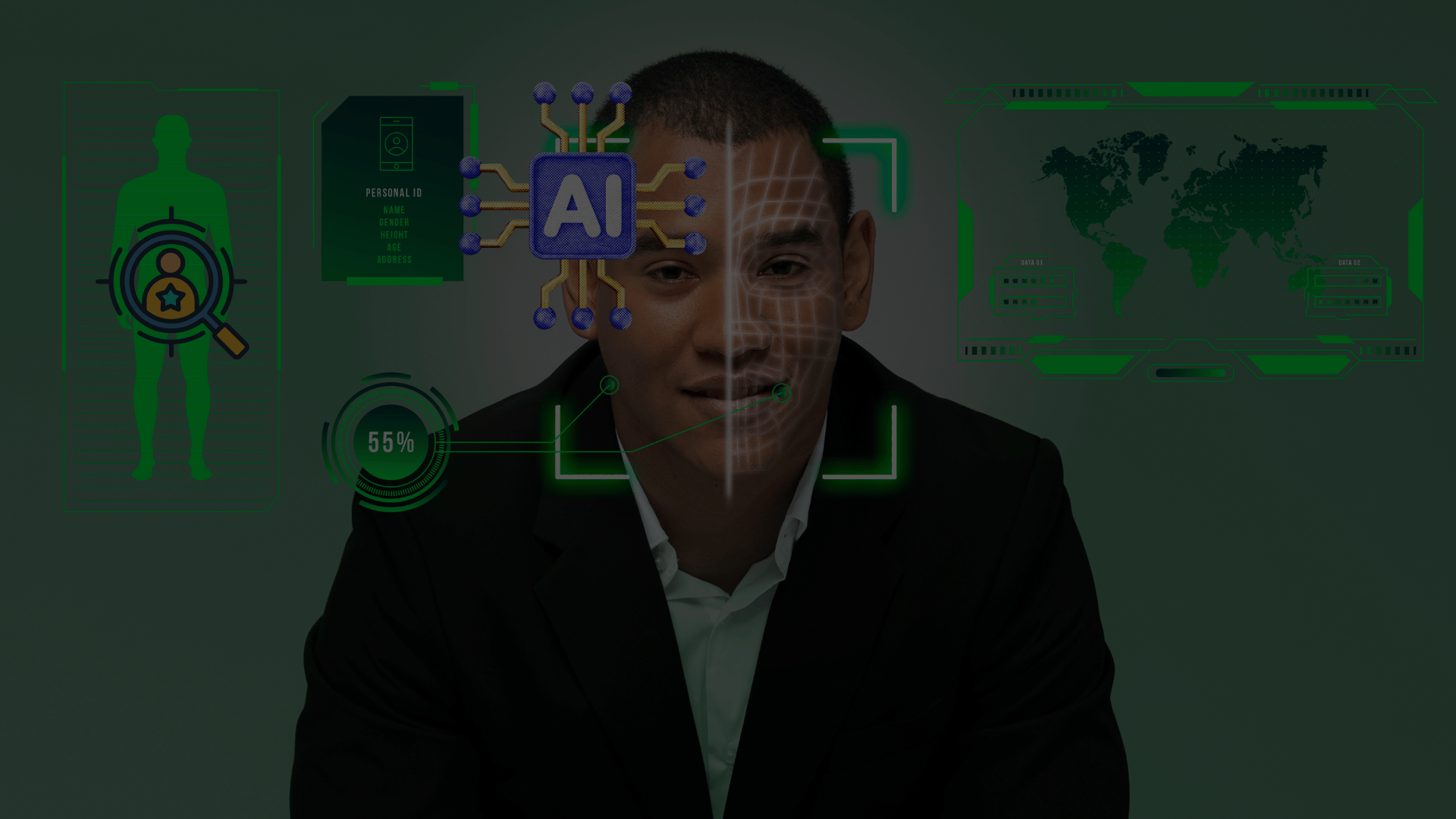
As technical interviews (like LeetCode) became trivial due to AI assistance, companies scrambled to find a new “signal” for talent. This led to the rise of Affective Computing, AI that monitors your micro-expressions and tone during an interview to judge your “resilience” or “leadership.”
Can it Ethically Fill the Gap?
The short answer is: No, and the law is catching up. While recruiters hoped emotional detection would provide an objective “soft skill” score, it created a massive ethical divide. By August 2, 2026, the EU AI Act officially prohibited the use of emotion-recognition AI in the workplace and during recruitment (except for very specific safety/medical reasons).
Why the ban?
- The Neurodiversity Tax: These systems penalize anyone whose emotional expression doesn’t match a “normative” dataset. Brilliant, neurodivergent developers were being flagged as “untrustworthy” simply because they didn’t maintain a specific type of eye contact.
- Cultural Blindness: A “confident” tone in London is “aggressive” in Singapore. AI cannot yet “read the room” with the nuance required for global hiring.
How BorderlessMind Helps You Hire AI-Ready Software Engineering Talent in 2026
In the rapidly evolving AI-driven development landscape, companies need more than just coders, they need professionals who can evaluate, validate, and govern intelligent systems. This is where BorderlessMind delivers exceptional value.
1. Access to Future-Ready Engineering Talent
BorderlessMind specializes in connecting organizations with highly vetted global talent who are not just proficient in coding but excel in:
- AI-assisted development workflows
- Architectural decision-making
- Complex system evaluation
2. Expertise in AI-Augmented Development
As AI-generated code becomes mainstream, BorderlessMind helps businesses hire engineers skilled in:
- Reviewing and curating AI-generated code
- Identifying hidden logic flaws and edge-case failures
- Ensuring scalability and long-term system stability
3. Focus on Quality, Compliance, and Governance
With increasing regulatory pressures like GDPR and the EU AI Act, BorderlessMind ensures access to professionals who:
- Embed security and compliance into development processes
- Understand ethical AI deployment
- Mitigate risks related to data privacy and bias
4. Global Talent, Local Impact
BorderlessMind enables organizations to build distributed teams that bring:
- Diverse perspectives for better system design
- Cultural intelligence for global products
- Cost-effective scaling without compromising quality
5. Bridging the AI Talent Gap
As traditional hiring assessments become obsolete, BorderlessMind focuses on identifying talent based on:
- Real-world problem-solving ability
- System thinking and debugging expertise
- Adaptability to AI-first engineering environments
Conclusion: The Final Human Frontier
In 2026, the “10x Developer” is no longer the one who types the fastest. It is the one who prompts the best, audits the deepest, and empathizes the most. We hire humans for their accountability, because an AI cannot be fired, and it cannot take responsibility for failure.
We are moving away from being “code creators” to becoming “System Navigators.”
Frequently Asked Questions (FAQ)
Q: Is learning to code still worth it in 2026?
A: Absolutely. You need to understand the foundations to read and critique the AI. Learning to code today is like learning to read music; you might use a computer to compose, but you still need to know the notes to make it sound good.
Q: What is “Vibe Coding”?
A: It’s a 2026 term for rapid prototyping where a developer uses high-level natural language to “vibe code” out a concept with an AI. It’s great for demos, but professional hiring still focuses on those who can move past the “vibe” into rigorous, auditable engineering.
Q: How do I improve my skills if I don’t “write” the code?
A: Portfolios now focus on “Problem-Solving Logs.” Show how you steered an AI to solve a complex issue, the architectural trade-offs you made, and how you caught the AI’s mistakes.
Q: Will AI eventually replace senior engineers?
A: Unlikely. As systems become more complex (thanks to AI-accelerated building), we need more experienced humans to oversee the sprawling webs of code that no single person fully wrote.
0 Comments