
Post Preview
Key Takeaways
- Establishing a short-term emergency fund provides a safety net for unexpected expenses.
- Creating a detailed budget helps track and control spending habits.
- Reducing high-interest debt minimizes financial strain and improves credit health.
- Exploring flexible financing options can offer solutions during financial challenges.
- Enhancing financial literacy empowers individuals to make informed decisions.
Table of Contents
- Building a Short-Term Emergency Fund
- Crafting a Detailed Budget
- Reducing High-Interest Debt
- Exploring Flexible Financing Options
- Enhancing Financial Literacy
- Conclusion
In a rapidly changing economy, being smart about your essential finances helps you weather unexpected costs and take control of your financial future. Whether you’re looking to handle an emergency, navigate temporary income changes, or boost economic confidence, adopting the right strategies is essential. By starting with foundational steps like budgeting and building an emergency fund, resources like MaxLend can also be valuable when you need fast, flexible funding for unforeseen expenses.
Short-term financial planning doesn’t just offer peace of mind; it’s the groundwork for stronger long-term habits. When individuals take steps to organize, strategize, and educate themselves about their financial choices, they become far less vulnerable to common financial pitfalls. It’s about making each paycheck count and preparing for innovative, expected, and unexpected costs with intention. Not only does this help you survive challenging economic moments, but it also positions you to thrive as your circumstances improve.
Building a Short-Term Emergency Fund
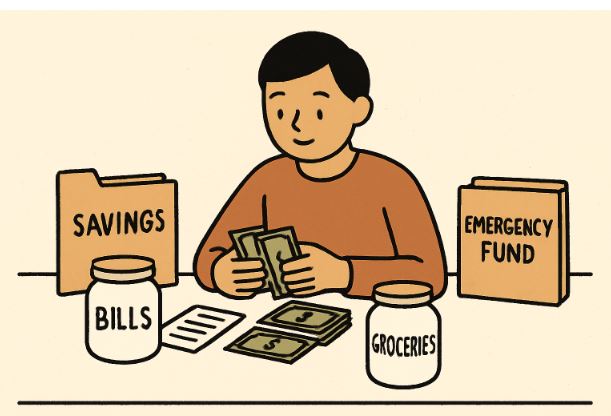
One of the most important steps anyone can take is creating a short-term emergency fund. This fund is your first line of defense when an unexpected bill, urgent car repair, or temporary job loss threatens your budget. Financial experts advise starting small, setting an initial goal of $500 to $1,000, and adjusting as your situation allows. Aim to eventually save enough to cover one to two months of essential living expenses.
Having a dedicated savings cushion prevents you from relying on high-interest debt in emergencies. Automating transfers to your emergency account lets you save consistently, so you hardly notice the money leaving your main account. For more advice on creating an effective emergency fund, check out resources from NerdWallet.
Crafting a Detailed Budget
A well-structured budget is the cornerstone of all smart money management. Start by tracking your monthly income and breaking your spending into clear categories such as rent, utilities, groceries, transportation, insurance, and discretionary expenses. Distinguish between genuine needs and optional wants; this clarity makes it easier to cut back when necessary and to redirect those saved funds toward your financial priorities.
There is no one-size-fits-all approach to budgeting. Some find success with the 50/30/20 rule, while others prefer zero-based budgeting. Digital budgeting tools, like Mint and YNAB, provide real-time spending insights and budget forecasts, helping you stay accountable and make adjustments as your circumstances, priorities, or income change.
Reducing High-Interest Debt
If you carry balances on credit cards or other high-interest debts, prioritizing their reduction will free up cash flow and improve your long-term credit situation. The debt avalanche method, which pays off debts with the highest interest rates first, saves you the most money. The snowball method, conversely, suggests focusing on the smallest debts to build momentum. Consider the method that best suits your financial personality.
Beyond making payments, see if you can negotiate lower rates or consolidate debts to a single payment at a lower overall interest rate. If necessary, consult nonprofit credit counseling services to help you develop a manageable debt repayment plan. For background, see this informative piece from the Consumer Financial Protection Bureau.
Exploring Flexible Financing Options
Even with an emergency fund and a solid budget, short-term cash needs sometimes arise. That’s where flexible financing solutions, such as short-term loans, lines of credit, or installment loans, can help. These products are designed to offer a cash buffer during difficult moments, but it’s essential to review terms carefully, including interest rates, fees, and repayment schedules, before making a decision.
Choose only those financing options that fit comfortably within your budgeted repayment ability. Avoid taking on new debt to pay for non-essential expenses, as this can lead to a problematic debt spiral. Reputable lenders and financial platforms often provide education and seek out those that offer transparent, responsible lending.
Enhancing Financial Literacy
Building strong financial habits starts with understanding your options. Increasing your financial literacy empowers you to make better money decisions, spot risks, and seize opportunities for savings and growth. Consider attending community financial education workshops, using government-backed online financial education tools, or seeking guidance from certified financial planners.
Making time to learn about the basics, budgeting, debt repayment, investing, and credit, gives you the foundation you need to manage both short- and long-term goals. For more learning, Investopedia’s financial literacy resources offer helpful guides and videos.
Conclusion
Proactively managing short-term finances is not just a survival skill; it’s a powerful way to safeguard your future. By building an emergency fund, budgeting precisely, attacking high-interest debt, considering flexible financing, and consistently building your financial literacy, you’ll be prepared to handle the unpredictable and build a platform for financial success. With commitment and knowledge, short-term financial challenges become opportunities to strengthen your financial well-being.