Butter yellow may still be an “it” color in the beauty industry, but one area where you’ll want no part of the trend is your teeth. But what happens when traditional teeth whitening leaves sensitive teeth in, at best, discomfort, or, at worst, agony? Are there any options where sensitive smiles don’t have to live with unsightly surface stains and an overall yellowish hue?
Featured Experts
What Causes Sensitive Teeth?
Sensitive teeth occur when the enamel that protects teeth begins to deteriorate, exposing the tooth’s underlying dentin, or nerve endings. “Sensitivity is essentially the tooth’s nerve responding to external stimuli like temperature or acidity,” says Rockville, MD cosmetic dentist Joe Kravitz, DDS.
An erosion of enamel can be attributed to a variety of factors, including, but not limited to, aggressive brushing, exposure to acidic foods and drinks, gum recession, cracked teeth, cavities, teeth clenching or grinding (also known as bruxism), recent dental procedures and even genetics. Chicago cosmetic dentist Jen Moran-Kobes, DDS says whitening can increase teeth sensitivity by opening enamel pores, exposing nerves to the elements and causing pain.
Can Tooth Sensitivity Ever Improve?
“Identifying and treating the root cause [of tooth sensitivity] is key,” says Dr. Moran-Kobes, but luckily most instances of tooth sensitivity can be managed and may be entirely reversible with simple at-home tweaks to your dental routine. “Using a desensitizing toothpaste containing potassium nitrate or stannous fluoride, switching to a soft-bristled toothbrush, avoiding acidic foods and strengthening enamel with fluoride treatments are all effective strategies,” adds Dr. Kravitz, who stresses it’s important to treat sensitivity and any underlying dental issues before a whitening treatment of any kind.
If sensitivity is severe or persistent, however, a trip to a board-certified dentist is crucial for a proper diagnosis. “They can provide treatments like fluoride gels, inlays or bonding to fix problems and protect your teeth,” says New York cosmetic dentist Lana Rozenberg, DDS. “In severe cases, a dentist may recommend a gum graft or root canal treatment.”
Restoring a Whiter Smile, Pain-Free
Stains from coffee, tea, wine, tobacco and certain foods darken teeth over time, and a thinner enamel is what causes a yellowish hue (the dentin underneath) to show through. The goal of both at-home and professional teeth whitening treatments is to remove those surface stains and lighten the deeper internal discoloration. “Teeth whitening agents work by using mild abrasives— like baking soda—to scrub surface stains and bleaching agents—like hydrogen peroxide or carbamide peroxide—to break down deep stains,” explains Dr. Rozenberg.
How to Prep Sensitive Teeth for Whitening
Once sensitivity issues have been addressed and/or managed and you’re ready to attempt whitening, preparation is critical. All of the doctors interviewed for this story recommend using a desensitizing toothpaste for at least two weeks before a whitening treatment of any kind, whether it’s at-home strips, custom gel trays or an in-office option. Dr. Kravitz also advises using fluoride rinses or professional fluoride treatments to help strengthen enamel and reduce post-whitening discomfort. Avoiding acidic foods and drinks, such as coffee, citrus fruits, soda and tomato sauce, is crucial, too, Dr. Rozenberg says, as they can negatively affect results and increase sensitivity.
In-Office vs. At-Home Whitening
When teeth are moderately to severely sensitive, Dr. Kravitz says that in-office whitening is typically considered safer because it’s supervised and tailored to the patient. Dr. Rozenberg adds that in-office sensitivity protocols and protective measures may include mandatory dental health checks, gum isolation, customized control over bleaching agents and concentration amounts, and a professional desensitizing treatment.
If you’ve had negative past experiences with in-office whitening, don’t fret. Thanks to advances in technology, many at-home products are now formulated to be gentler on enamel and can work well for those with mild sensitivity if used properly and gradually, says Dr. Kravitz. There’s also a third option you may not have considered: custom trays from dentists themselves. “Many sensitive patients do best with professionally supervised at-home whitening using custom trays,” says Dr. Moran-Kobes. “This allows for lower concentrations, shorter wear times and greater control.”
Gentle and Bright
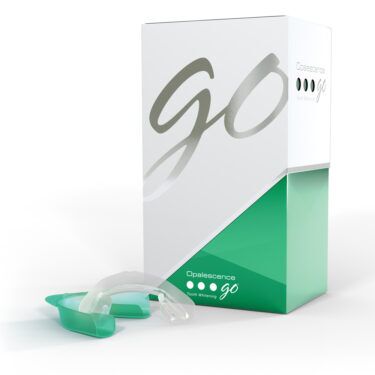
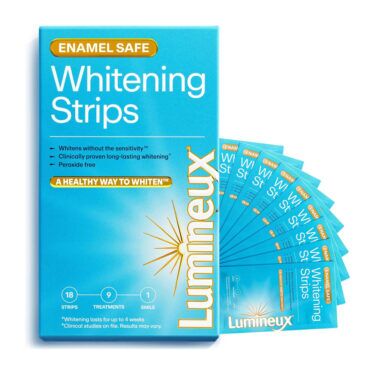
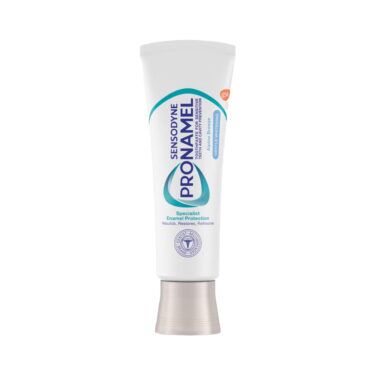
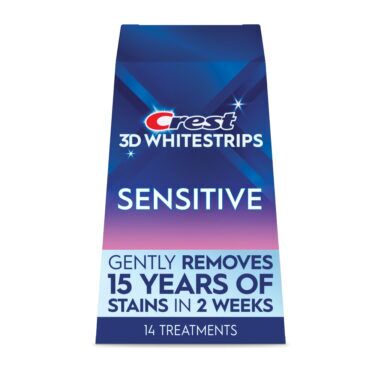
Dentist-approved at-home teeth whiteners for sensitive smiles.
/
/
/
/