
Jawa is one of the most storied names in motorcycle history, with roots stretching back nearly a century. Founded in 1929 in Prague, Czechoslovakia, Jawa’s first model was the 500 OHV, which did wonders in establishing the brand’s reputation for solid engineering and distinctive design.
Jawa’s popularity soared through the post-World War II decades, with the bikemaker becoming particularly well-known for its reliable two-stroke singles, exporting bikes to over 120 countries. Its models, like the 350 Kývačka and Pérák, were renowned as simple, rugged machines that required next to no maintenance, making them popular in both mass-market and racing contexts.
The fall of the Eastern Bloc in the 1990s led to a steep decline in production and export markets. The brand barely survived, reemerging in 1997 as Jawa Moto in Týnec nad Sázavou, Czech Republic. Since then, it has continued limited production of classic-styled motorcycles with the Indian-origin Mahindra Group’s Classic Legends reviving and licensing the Jawa name in some Asian markets.
Jawa
So, while the name is about the same, this new motorcycle is not from the Jawa-Yezdi-Mahindra group in India. Instead, it comes from Jawa Moto in the Czech Republic – the company that started it all. And it might just start a comeback for the once-forgotten European manufacturer.
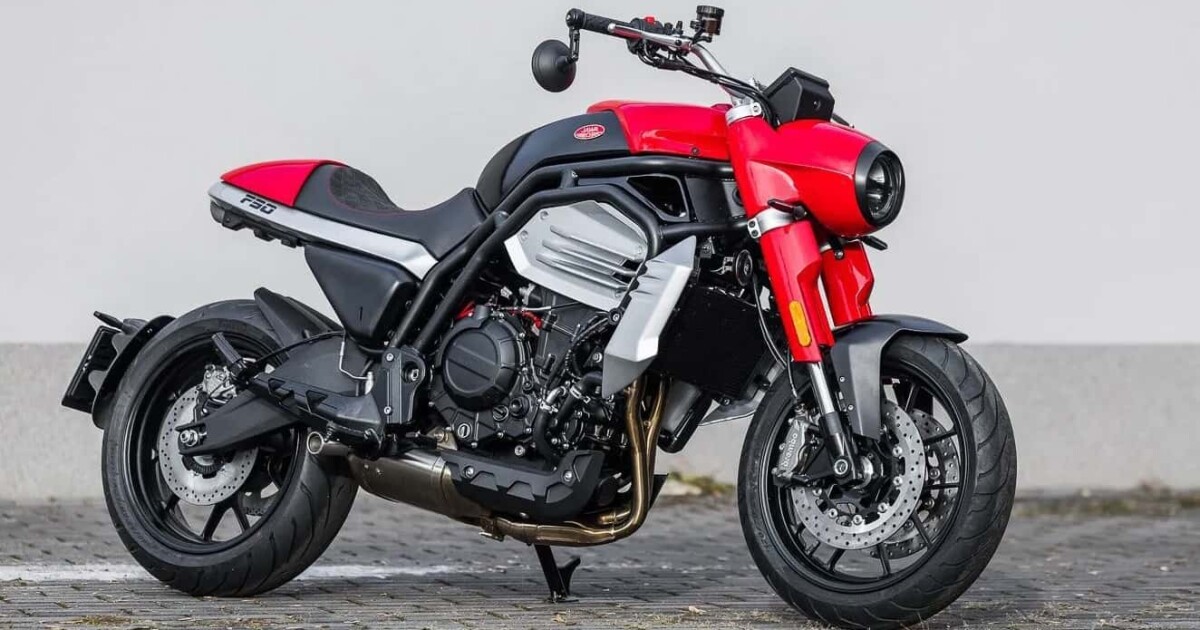
The Jawa 730 Twin is a neoclassic café racer that comes powered by a water-cooled inline two-cylinder engine, developed in tandem with Suter from Switzerland. Now that’s something. For those who may not be familiar with Suter, it is a high-performance technical company formed by Eskil Suter, a former 250cc Grand Prix rider. It specializes in designing and building race bikes, swingarms, and chassis for MotoGP, Moto2, and Superbike racing. It also manufactures high-precision components for other manufacturers, and produces ultra-high-end, limited-edition motorcycles for collectors.
The parallel twin motor here is rated at 730cc, producing 75 hp at 8,200 RPM and reaching a top speed of 127 mph (205 km/h). It’s apparently Euro5+ compatible, with Jawa Moto also planning a (European) A2-license version that produces a peak power of 47 hp.
Jawa
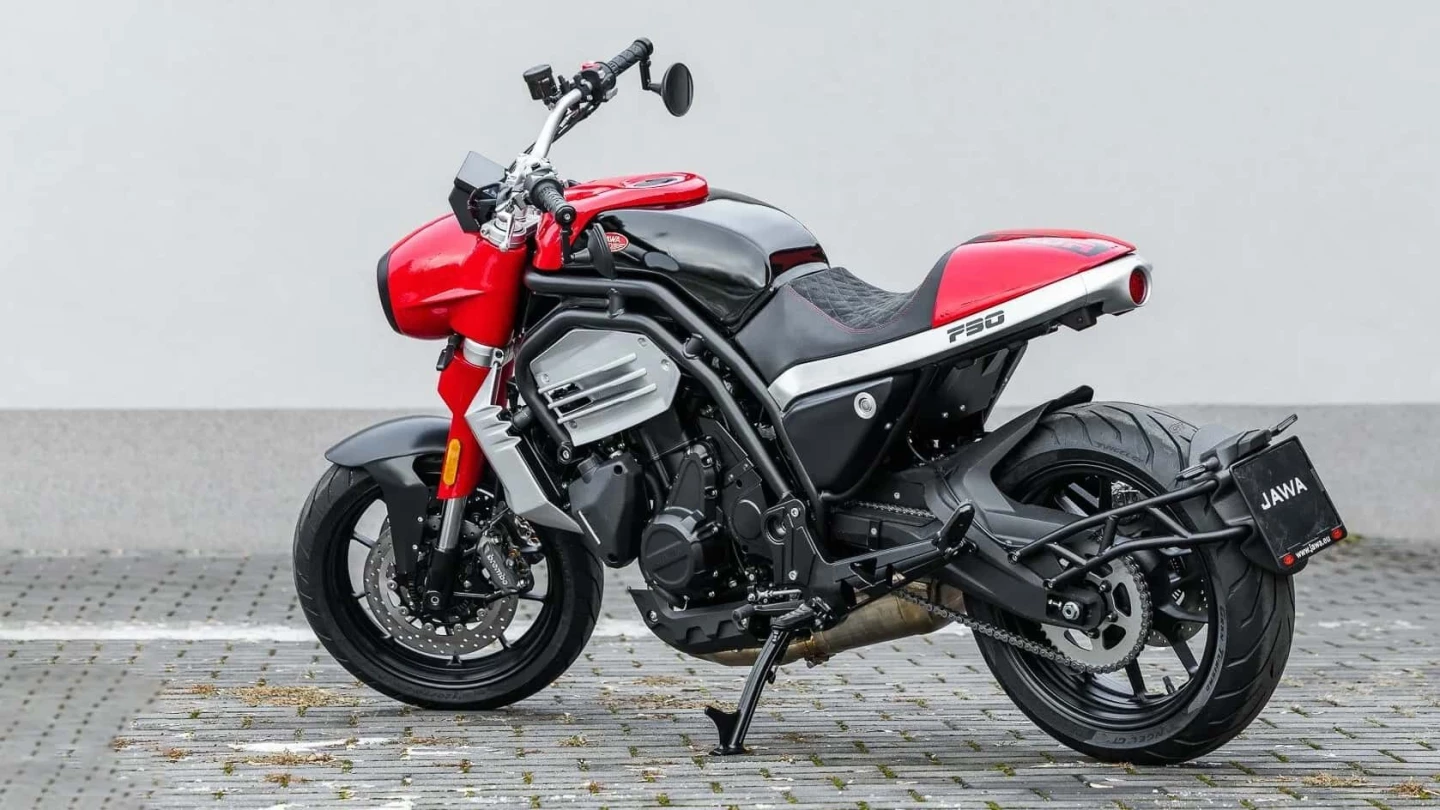
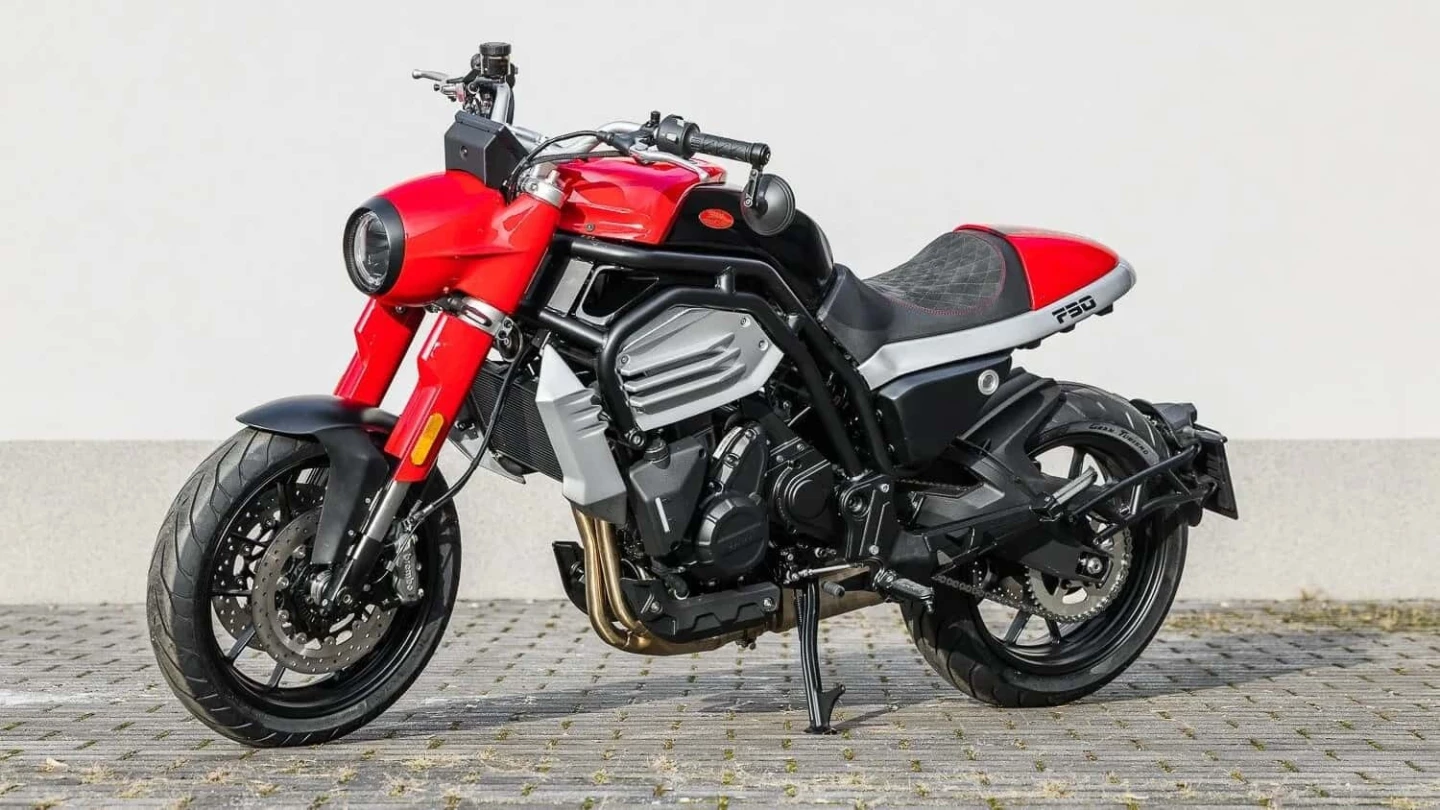
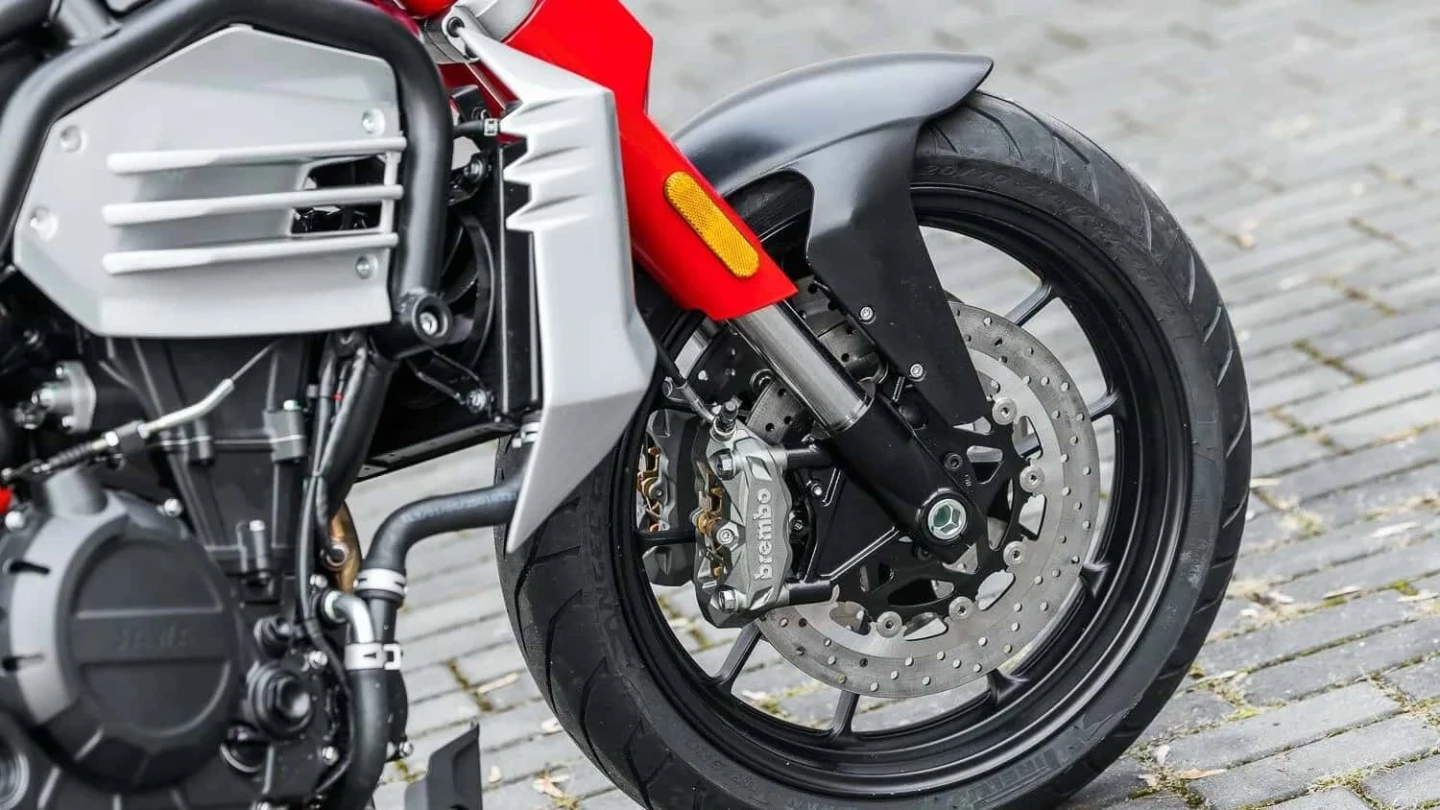
A tubular steel bridge frame with double upper beams and an aluminum rear swingarm serves as the chassis. Suspension duties are taken care of by inverted telescopic forks and a central shock absorber by Kayaba – both of which are adjustable. Braking is handled by Brembo, while Bosch is employed for ABS. The motorcycle rolls on cast aluminum wheels with tires measuring 120/70-17 at the front and 180/55-17 at the rear.
Without fuel, the Jawa 730 Twin weighs 470 lb (213 kg). For reference, that’s almost 100 pounds heavier than popular middleweights like the Yamaha MT-07. There’s a plastic tank from Acerbis that holds roughly 4.2 gallons (16 liters). The seat height is at a moderate 31 inches (785 mm).
Jawa
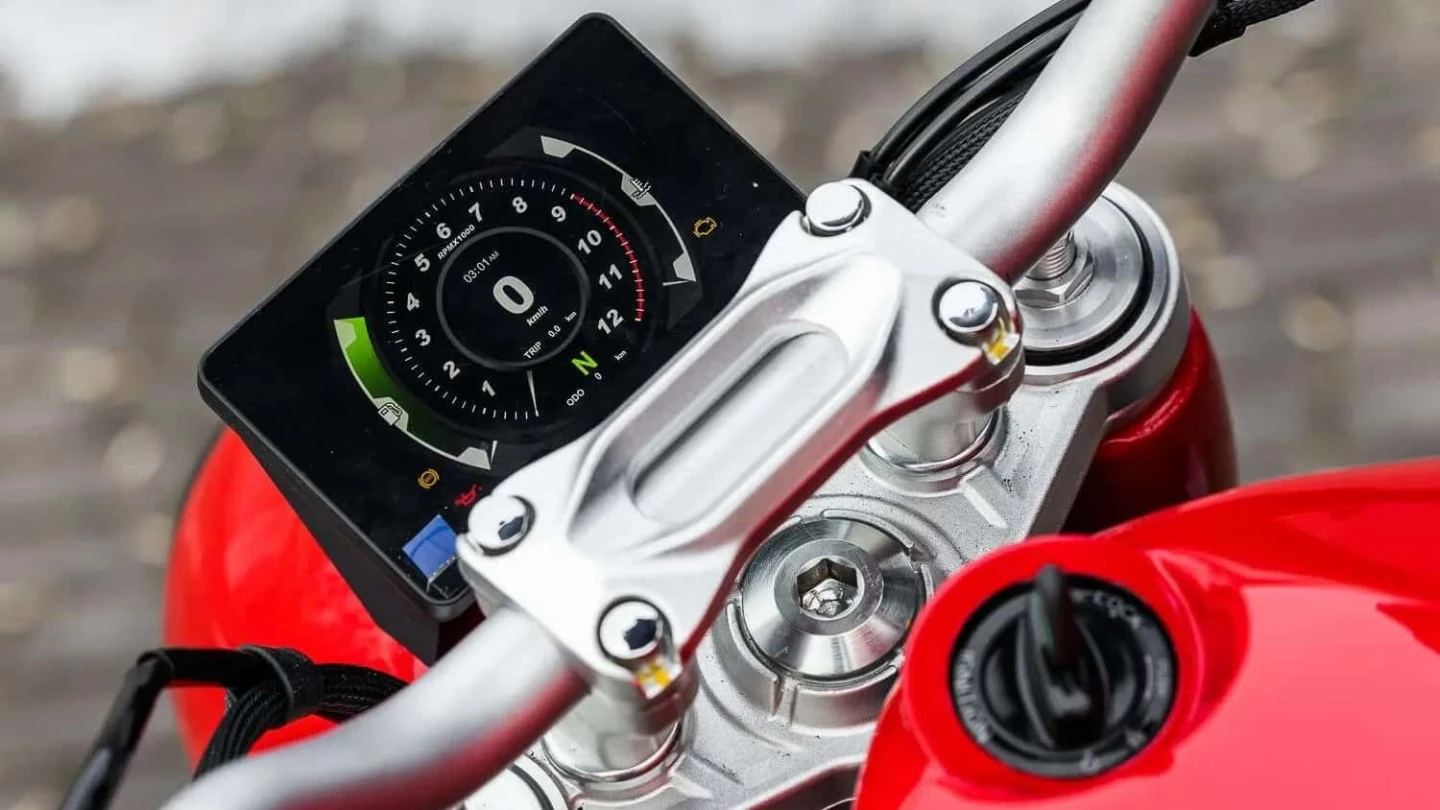
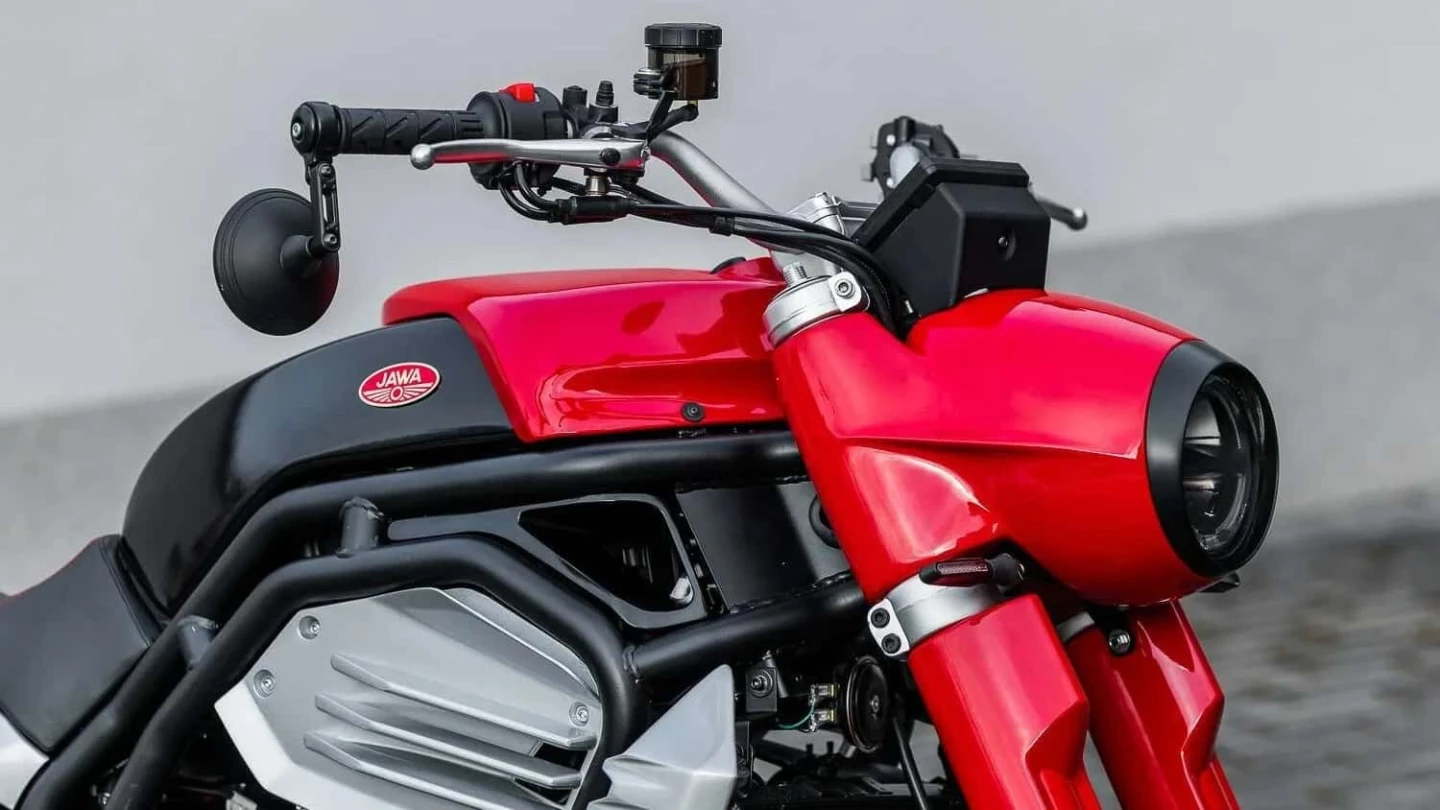
It gets LED lighting all-around, alongside a TFT display with connectivity and navigation. There are some café racing elements in there too, like the pillion cover and the tubular license plate holder fastened to the swingarm’s side. But overall, styling is hit-and-miss on this one in my humble opinion.
Where classic and neo-retro motorcycles usually succeed by blending heritage cues with modern harmony, the 730 Twin ends up looking visually conflicted. As if a handful of design ideas were tossed against the tank and allowed to marinate without a clear vision.
The proportions feel top-heavy, the front end overly busy, and the integration of the headlight, tank, and fairing elements lacks the clean continuity we’ve seen on successful retro twins from other manufacturers. Instead of evoking a sleek café-racer silhouette or a timeless roadster profile, it comes across like a collection of parts rather than a purposeful whole.
Jawa
A bit more restraint around the tank graphics, a tighter headlight treatment, and smoother transitions between the fuel body and footpeg area, and the Jawa 730 could have kept its mechanical charm and looked genuinely elegant. But hey, looks, as they say, are subjective.
What this bike represents is a proper chance for a heritage bikemaker to enter the mass market again. And the 730 Twin is not supposed to be alone.
There’s apparently a new Jawa, a 1000 Twin with a 1,000cc twin-cylinder engine layout that might accompany it down the line. From initial leaks in the Czech Republic, the “Liter-Jawa” will supposedly carry a fuel tank under the seat, Öhlins components, and a classic design with two rear shock absorbers.
Jawa
As for the 730 Twin, it’s set to be released at the Motosalon trade fair in Brno, Czech Republic, where pricing details will also be revealed.