
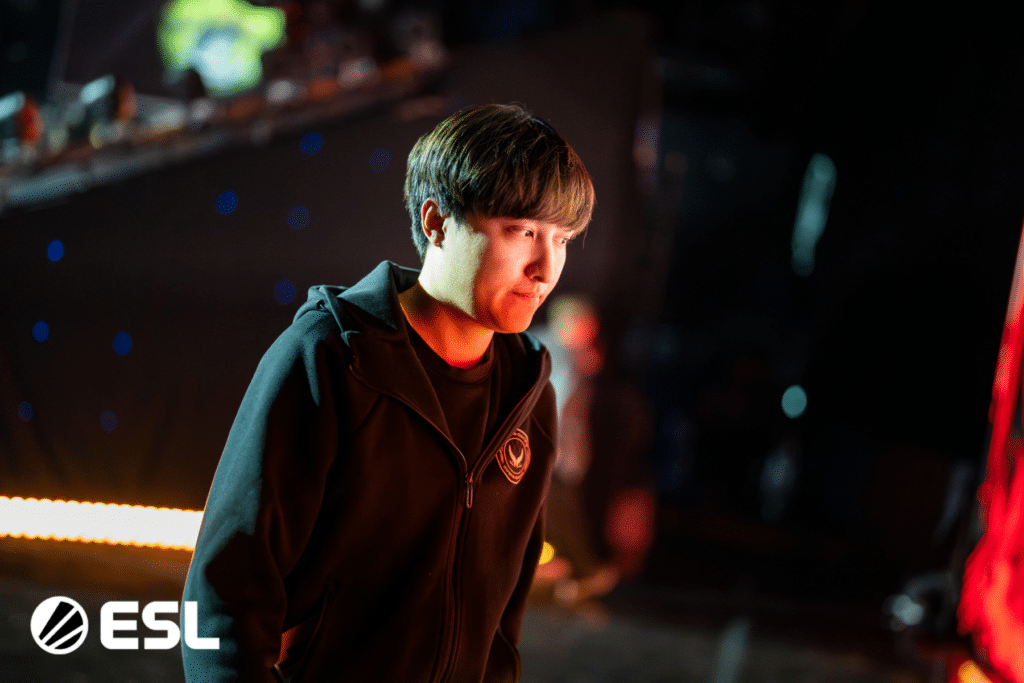
ESL One Birmingham 2026 has just ended, with Tundra Esports extending their reign by lifting the trophy.
But the real story of the tournament was the massive 7.41 Dota 2 patch being dropped in the middle of the million-dollar event. The unexpected timing has sparked the question of whether situations like these are good for the professional scene.
- Tundra Esports wins DreamLeague Season 28
- Team Liquid defeats NAVI to win BLAST Slam VI
7.41 Drops Mid-Group Stage at ESL One Birmingham
ESL One Birmingham has turned out to be the most memorable event of the 2026 Dota 2 season so far, not only because it was the first stadium event of the year, but also because Valve dropped a mammoth patch that changed the course of the tournament.
Valve released the long-awaited 7.41 patch, featuring major changes such as the complete removal of facets and the addition of several new items. The timing of the patch was pretty controversial, as it arrived in the middle of the important group stage, where half of the participants would be eliminated from the event.
Teams had just finished playing their two best-of-two matches for the day and woke up to hundreds of changes that they had to figure out before their next matches started.
Reading the entirety of the patch notes would already take hours if done diligently, and that doesn’t even account for theory testing yet. There was simply too little time to figure everything out, so for the remainder of the group stage, teams just had to wing it, with some putting their playoff hopes on the line.
Chaotic Dota is Peak Dota
This isn’t the first time a massive patch was released mid-tournament, and the outcome is no different here in Birmingham. So many changes, with so little time to prepare, never fail to create some of the most chaotic Dota action between pro teams. It’s just so much fun for viewers to watch.
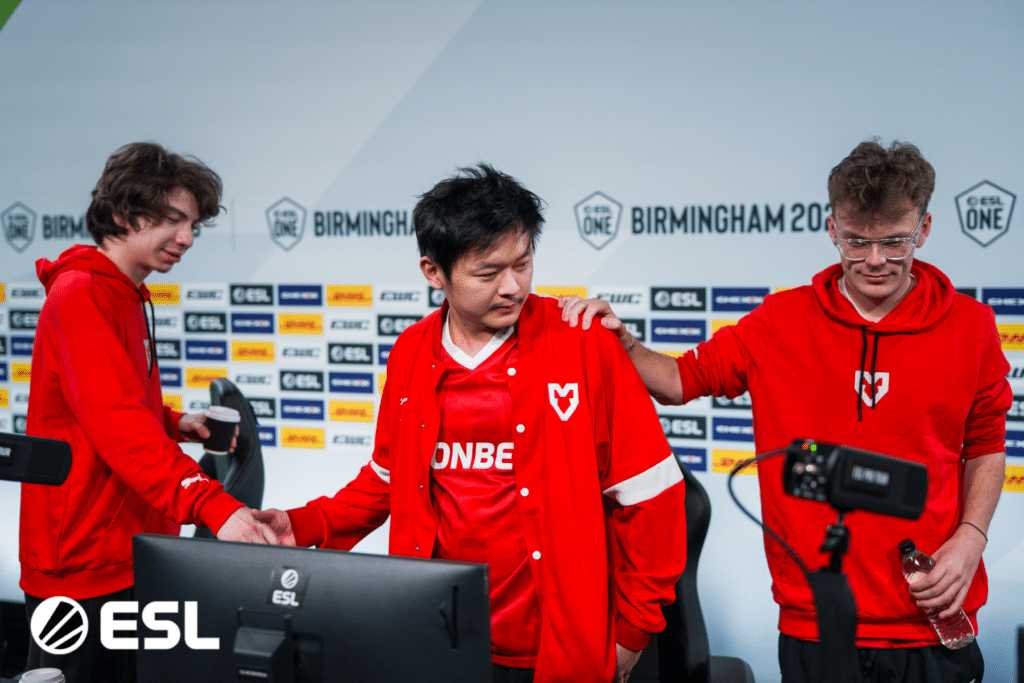
Sometimes, the pros don’t even understand some of the changes to their full scale, which generates hilarious clips like half of the Aurora Gaming roster dying to the Tormentor at the 47-minute mark.
Not only have the pros not fully digested the entire patch yet, but viewers haven’t either. We can learn new things about the patch just by watching the games, which provides a better overall experience. It makes you lean in and pay attention to every little detail, rather than just lean back and scroll through TikTok while waiting for a teamfight to break out.
Users on Reddit seem to be in heavy agreement, with one comment reading: “Chaotic Dota is best Dota. It should happen more often. I do not care whether pros like it or not.”
And a direct reply saying: “Yep. I did not care about watching [ESL One Birmingham] until there was a new patch LOL.”
Were Some Teams Robbed at ESL One Birmingham?
And though viewers had nothing to lose from the new patch, professional teams definitely did. From their perspective, a huge patch mid-tournament is a punch in the gut. You pretty much spent the past few weeks preparing set strategies and picks for this million-dollar tournament, and now, it’s all out the window.
It can be really demoralizing knowing all your hard work is gone in a flash, but with only hours before your next match, all you can really do is strengthen your mentality and push on.
Take Aurora, for example. The Eastern European squad crushed the Group Stage, going 13-1. They’ve been on a roll over the past few months, and it looked like they had the meta completely figured out. But after the 7.41 patch dropped, they lost both playoff matches and finished 5th-6th in the tournament. All their work from Groups was for naught.
Aurora wasn’t alone; Team Spirit, which went 11-3 in its group stage campaign, also faced the same fate. The two-time TI winners failed to win a single playoff series and were sent packing earlier than they’d like.
Adaptability Is Part of the Skill
There are many factors that build a title-winning roster. Individual skill, teamwork, and chemistry all play important roles, but I’d argue that adaptability matters just as much.
Yes, the timing of the patch could have been better, but let’s be real: everyone is playing on the same patch. It’s like a hard reset, and now every team is on equal footing. What matters now is: can you quickly figure out what strategies work, and do your players have a wide enough hero pool to execute them?
As harsh as it may sound, managing your time to read and test the new patch also comes into play in tournaments. Everyone has the same 24 hours. It’s also a race to see which teams can learn the fastest, and whether they can do it in such a short amount of time, especially when you also have to manage proper sleep.
Tundra Esports and Team Yandex were the two previous tournament winners, and many would consider them the favorites coming into Birmingham. These two happened to face each other in the Grand Final and still looked like the two best teams there. I didn’t see them having a hard time adapting to the patch.
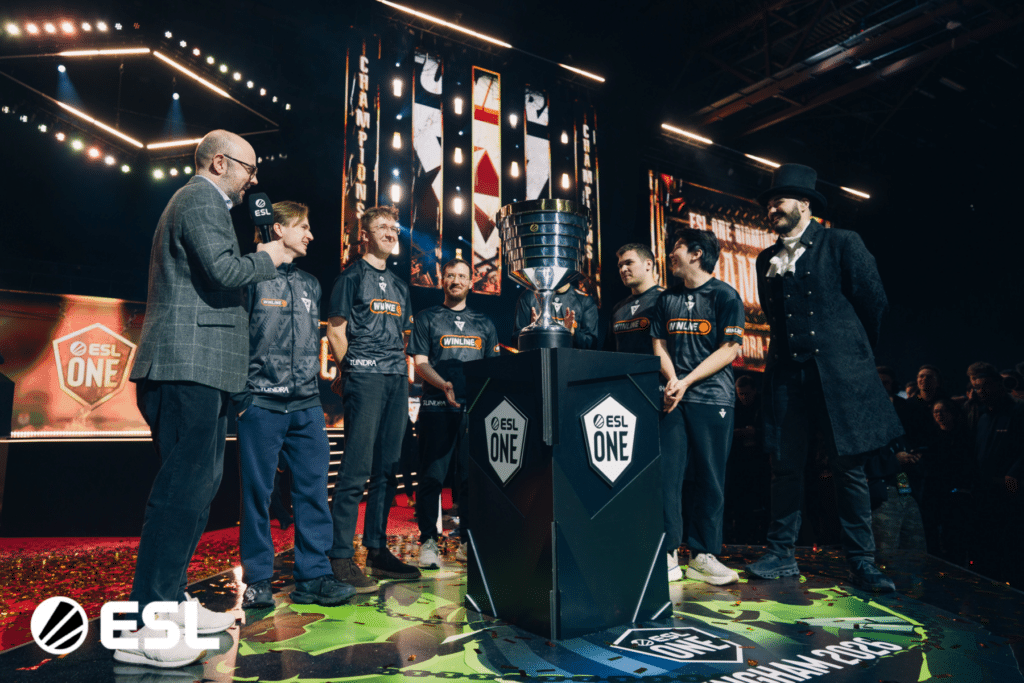
They have two of the smartest and most experienced players in the game – Neta “33” Shapira and Martin “Saksa” Sazdov – who I imagine contributed a ton of insight to their respective teams.
On the other side of the argument, we have Aurora. They were mainly picking the same heroes on the new patch, and it just seemed like they couldn’t come up with anything viable in time.
Another squad to get the short end of the stick was GamerLegion. These guys entered as underdogs and are a relatively inexperienced team. GamerLegion had a promising start to the tournament, looking like they had a crack at the playoffs. However, the new update shook them, and they eventually bowed out in groups.
Xtreme Gaming’s Run Didn’t Look Like a Fluke
Xtreme Gaming was one of the teams that exceeded expectations. They weren’t in great shape heading into Birmingham, but scraped past groups and mounted a lower bracket run to finish third. In my opinion, this doesn’t seem like a coincidence when you have players like Wang “Ame” Chunyu and Xu “fy” Linsen on the squad.
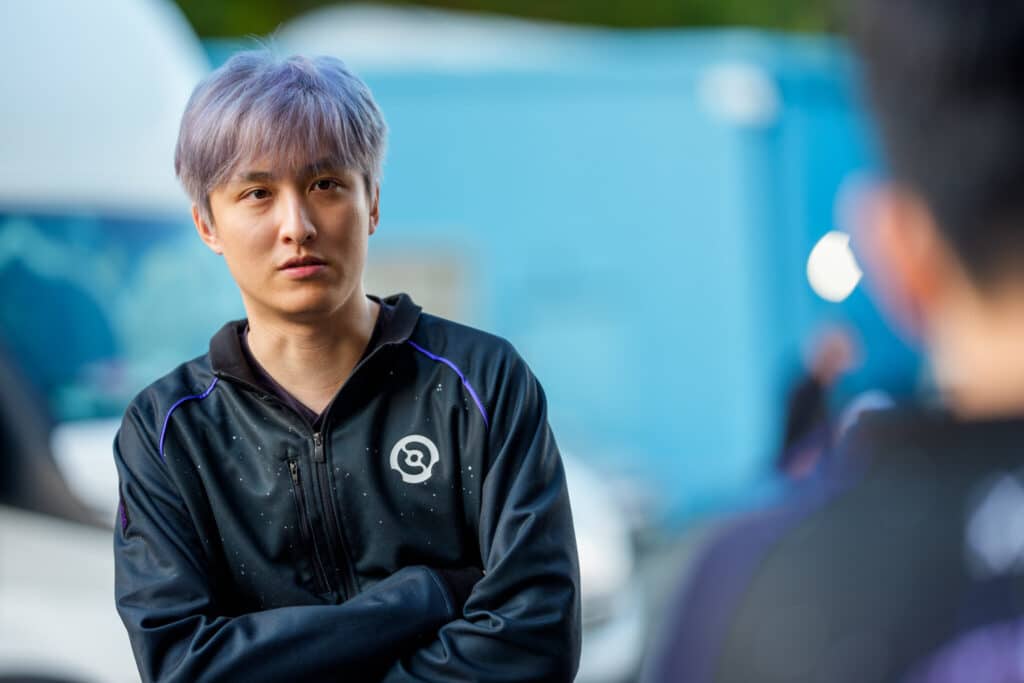
Though Ame is notoriously known for failing to claim the Aegis three times, let’s take a step back and look at his longevity. He’s been to three TI finals, almost a decade apart, in 2018, 2021, and 2026. He’s managed to stay in top form despite the game changing completely over the years, from different playstyles to different heroes. It doesn’t seem too surprising to me that his team improved drastically after the patch.
Xtreme Gaming has experienced players across the board. They’ve been in these situations before. It feels like they stayed calm, composed, and disciplined, which could have played a major role in their run, even though they couldn’t hoist the trophy.
In my opinion, situations like these really put teams to the test. More often than not, creative, experienced teams come out on top.
The post Putting Dota 2 teams to the test: Should Valve have dropped Patch 7.41 mid-tournament? appeared first on Esports Insider.