
This integrated approach allows the country to adapt effectively to potential challenges, including global market fluctuations and regional disruptions such as the closure of the Strait of Hormuz.
Qatar’s Minister of Municipality has said that the country’s food security system is built on a solid foundation that combines local production, strategic stockpiles and global investments, enhancing its ability to adapt to any changes or circumstances.
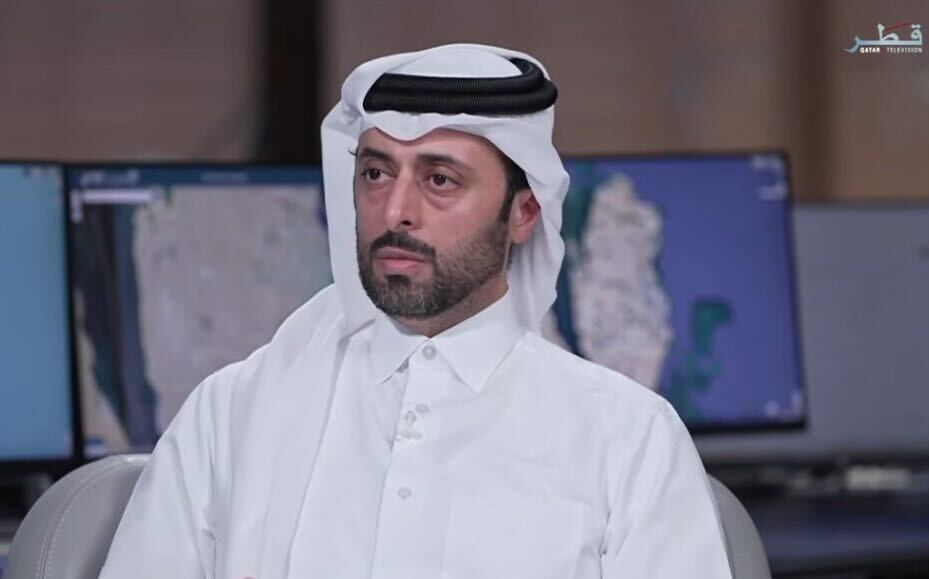
Abdullah bin Hamad bin Abdullah Al Attiya, Minister of Municipality and Chairman of the Committee for Monitoring the Implementation of Food Security Policies, explained in an interview with Qatar TV that the current system is the result of continuous work and strategic planning following past challenges.
The minister explained that the strategy is structured around three main pillars.
The first pillar is local production and self-sufficiency. Qatar has achieved full self-sufficiency in vegetables during its seasons and produces approximately 99% of its poultry, dairy products, and derivatives locally.
Al Attiya stated, “We have reached 100% self-sufficiency in vegetables during their seasons, and we even export some of these vegetables abroad. Approximately 99% of poultry, dairy products, and derivatives are produced locally, reflecting the strength of these investments and the importance of this sector.”
The second pillar is the strategic stockpile, which is carefully managed in cooperation with the Ministry of Commerce to ensure continuity. Early warning systems monitor potential shortages and allow immediate action.
Al Attiya noted that during the current crisis, “the strategic stockpile has not yet been used; it is being reinforced currently with large incoming shipments of rice and wheat.”
The third pillar focuses on trade and strategic investments, particularly through Hassad Company, owned by the Qatar Investment Authority.
The minister also noted, “We conducted inspection tours to personally verify a number of farms and private companies, especially in various food products, to ensure the availability of production inputs and the stability of the market in general.”
He added, “The situation is very reassuring, and most companies and farms today have a strategic stock of production inputs sufficient for long periods.”
He also highlighted the role of digital transformation in ensuring continuity of services during crises. More than 250 electronic services are available through the Ministry’s website and the Aoun app, allowing residents to complete transactions without visiting service centres. During the current period, the Ministry received more than 77,000 electronic requests and 23,000 calls to its control centre.
Al Attiya concluded by reassuring the public that they are guided by wise leadership, which places the highest priority on their safety and stability and pays attention to every detail.