
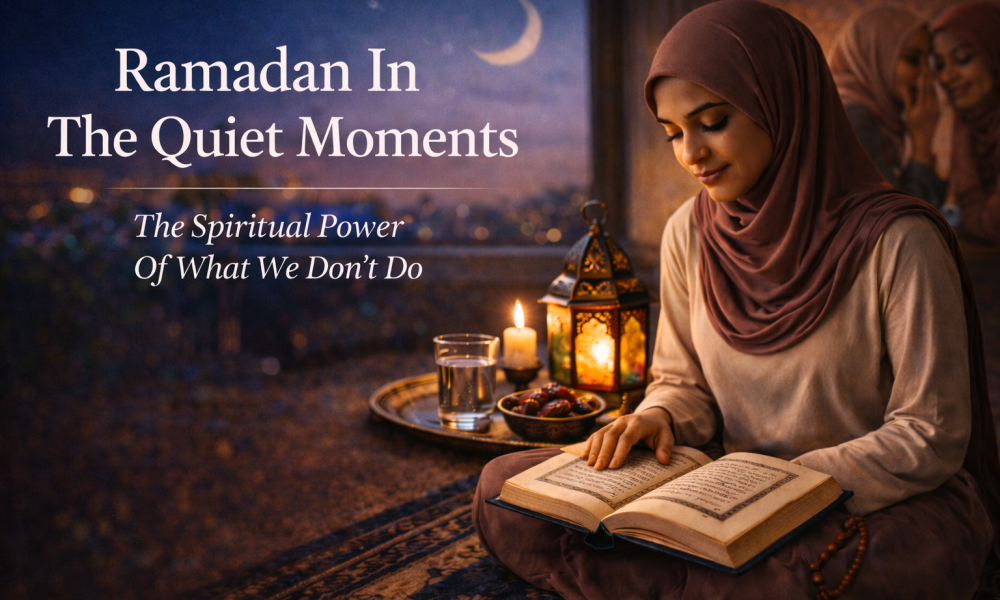
When we think of the holy month of Ramadan, the first images that often come to mind are its visible acts of devotion: fasting from fajr to maghrib, standing in tarāwīḥ prayers, reciting the Qur’an, giving charity, and gathering with family and friends for ifṭār. These practices are indeed central to Ramadan and carry immense reward.1
Yet beneath these outward actions lies a more quiet, often overlooked dimension of worship—one defined not by what is added to our lives, but by what is intentionally restrained.
Shaykh al-Islām Ibn Taymiyyah explains that “worship (ʿibādah) is a comprehensive term for everything that Allah  loves and is pleased with, of outward and inward actions—of the heart, the tongue, and the limbs.”2 Worship, therefore, is not limited to what is done, but also includes what is deliberately avoided for the sake of Allah .
Keep supporting MuslimMatters for the sake of Allah
Alhamdulillah, we’re at over 850 supporters. Help us get to 900 supporters this month. All it takes is a small gift from a reader like you to keep us going, for just $2 / month.
The Prophet (SAW) has taught us the best of deeds are those that done consistently, even if they are small.
Click here to support MuslimMatters with a monthly donation of $2 per month. Set it and collect blessings from Allah (swt) for the khayr you’re supporting without thinking about it.
In a world shaped by excess, constant stimulation, and relentless consumption, Ramadan arrives as a divinely ordained pause. It teaches that spiritual refinement does not always emerge from accumulation, but from subtraction: less consumption, less speech, less reactivity, and fewer distractions. When practiced sincerely for the sake of Allah , these acts of restraint themselves become acts of worship. This sacred discipline cultivates self-awareness, sincerity, and moral clarity.
The Purpose of Fasting: Beyond Hunger
Allah clearly states the purpose of fasting in the Noble Qur’an:
“O you who believe, fasting has been prescribed for you as it was prescribed for those before you, so that you may attain taqwā (God-consciousness).”3
Allah also informs us: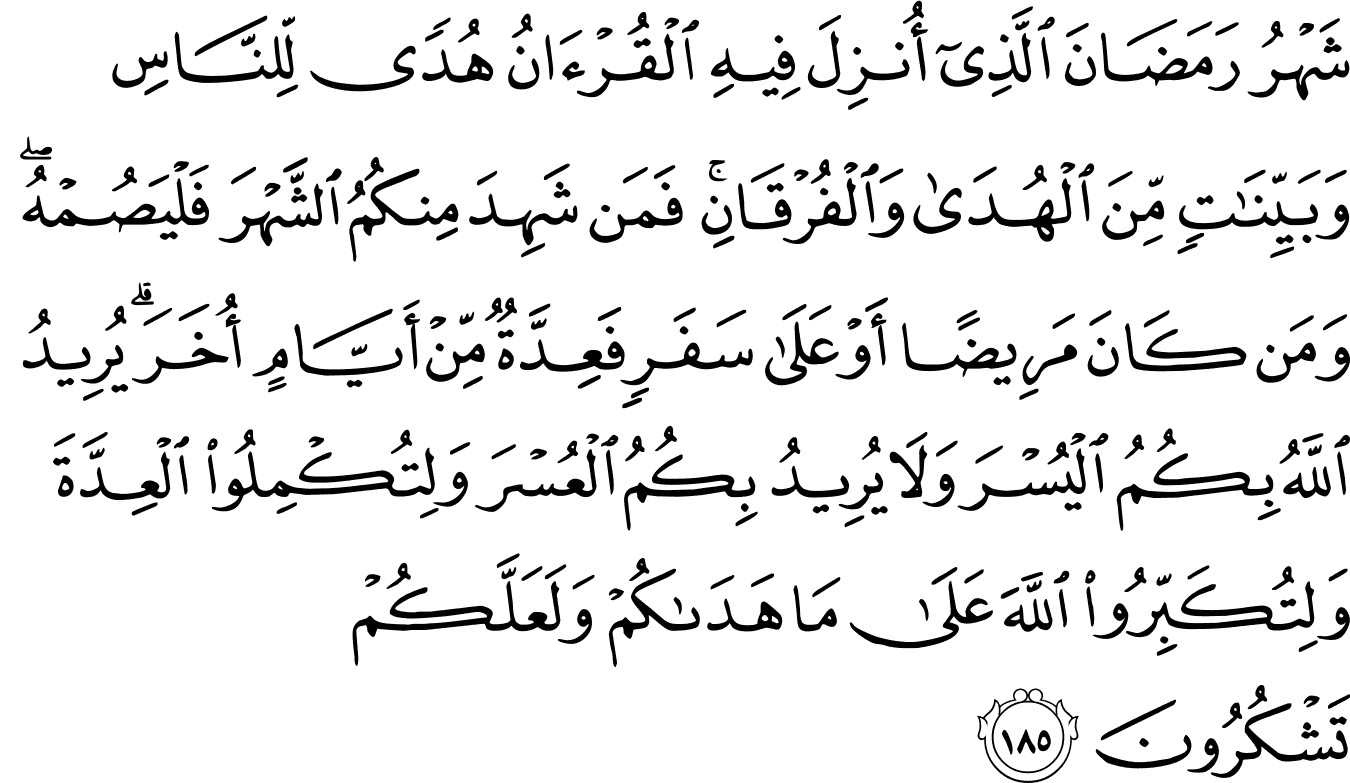
“Ramaḍân is the month in which the Quran was revealed as a guide for humanity with clear proofs of guidance and the decisive authority. So whoever is present this month, let them fast. But whoever is ill or on a journey, then ˹let them fast˺ an equal number of days ˹after Ramaḍân˺. Allah intends ease for you, not hardship, so that you may complete the prescribed period and proclaim the greatness of Allah for guiding you, and perhaps you will be grateful.” [Surah Al-Baqarah; 2:185]
“However, hunger itself is not the aim of fasting in Ramadan; rather, it is the means through which taqwā is cultivated.”
The Prophet  also counted fasting in Ramadan as one of the five pillars of Islam in the famous Hadith of Jibreel
  .4
.4
Linguistically, ṣawm means to hold back, refrain, or abstain.5 In Islamic jurisprudence (fiqh), fasting refers to abstaining from food, drink, and marital relations from dawn until sunset, accompanied by a sincere intention.6
However, hunger itself is not the aim of fasting in Ramadan; rather, it is the means through which taqwā is cultivated. By weakening physical desires, fasting strengthens spiritual resolve, allowing a believer to rise above habitual impulses and orient the heart toward Allah . Ramadan thus becomes a unique opportunity to focus on doing good, abstaining from evil, and refining one’s character.
Among the many wisdoms and benefits of fasting are:
-
Demonstrating sincere submission to the will of Allah
, placing His Pleasure above personal desire; -
Elevating the soul toward greater levels of devotion, asceticism, and spiritual awareness;
-
Cultivating self-restraint and perseverance—essential traits for moral and spiritual development;
-
Awakening empathy for the poor and those who experience hunger regularly;
-
Providing physical benefits, such as eliminating weaker cells in the body, giving rest to the digestive system and promoting weight loss.7
Imam al-Ghazālī also reminds us that fasting is not merely physical abstention. He states that “fasting is not simply leaving food and drink, but abstaining from all sins: the silence of the tongue, the restraint of the limbs, and the calming of the heart.”8
The Inner Secrets of Fasting
Najm al-Dīn Ibn Qudāmah al-Maqdisī explains that a person fasting is placed in one of three categories9:
- The fast of the common people, which entails abstaining from food, drink, and marital relations;
- The fast of the righteous, which includes refraining from sins of the eyes, tongue, ears, hands, and limbs;
- The fast of the elite, in which the heart itself abstains from lowly thoughts and anything that distracts from Allah .
At this highest level, fasting becomes a complete orientation toward Allah , where even the inner life is disciplined. The etiquette of righteous fasting, therefore include lowering the gaze, guarding the tongue from harmful or useless speech, and protecting all limbs from disobedience.
The Prophet Muhammad warned against fasting that lacks moral discipline:
“Whoever does not give up false speech and acting upon it, Allah has no need of him leaving his food and drink.”10
Fasting, then, is not merely physical deprivation—it is ethical training. Abstaining from food is visible, but abstaining from harming others (by speech and action) is what gives fasting its true spiritual substance.
Restraint as an Inner Struggle
Much of Ramadan’s transformative work happens invisibly. It is found in choosing not to argue, not to retaliate, and not to indulge the ego. This inner struggle is among the most enduring forms of spiritual effort.
The Prophet described fasting as a shield:
“Fasting is a shield. When one of you is fasting, let him not engage in obscene speech or ignorant behaviour. If someone insults him or fights him, let him say: ‘I am fasting.’”11
This restraint is not passive; it is active discipline. Each withheld reaction becomes an act of worship. In this way, fasting reflects one’s ʿaqīdah—belief expressed through ethical self-regulation rather than abstract ideals.
True worship is therefore not confined to prayer, fasting, or pilgrimage alone. It is the inward submission of the heart, expressed through restraint of the tongue, the eyes, and the emotions. The fasting person becomes like one in spiritual seclusion, engaged in a private relationship with their Lord even while moving through society.
The Power of Silence
Ramadan heightens awareness of speech—what is said, how it is said, and why it is said.
Allah reminds us:
“Not a word does one utter except that it is recorded.” [Surah Qaf: 50;18]
Silence thus gains moral weight. Choosing not to gossip, complain, or speak carelessly is not emptiness; it is attentiveness. The Prophet said:
“Whoever believes in Allah and the Last Day, let him speak good or remain silent.”12
Imam al-Ghazālī regarded disciplined silence as a prerequisite for spiritual clarity, warning that excessive speech hardens the heart.13 Ramadan revives this insight, inviting believers to listen more —to others and to themselves. Just as the body abstains from food, the tongue abstains from harm. When controlled, the tongue becomes a gateway to spiritual refinement.
Digital Restraint
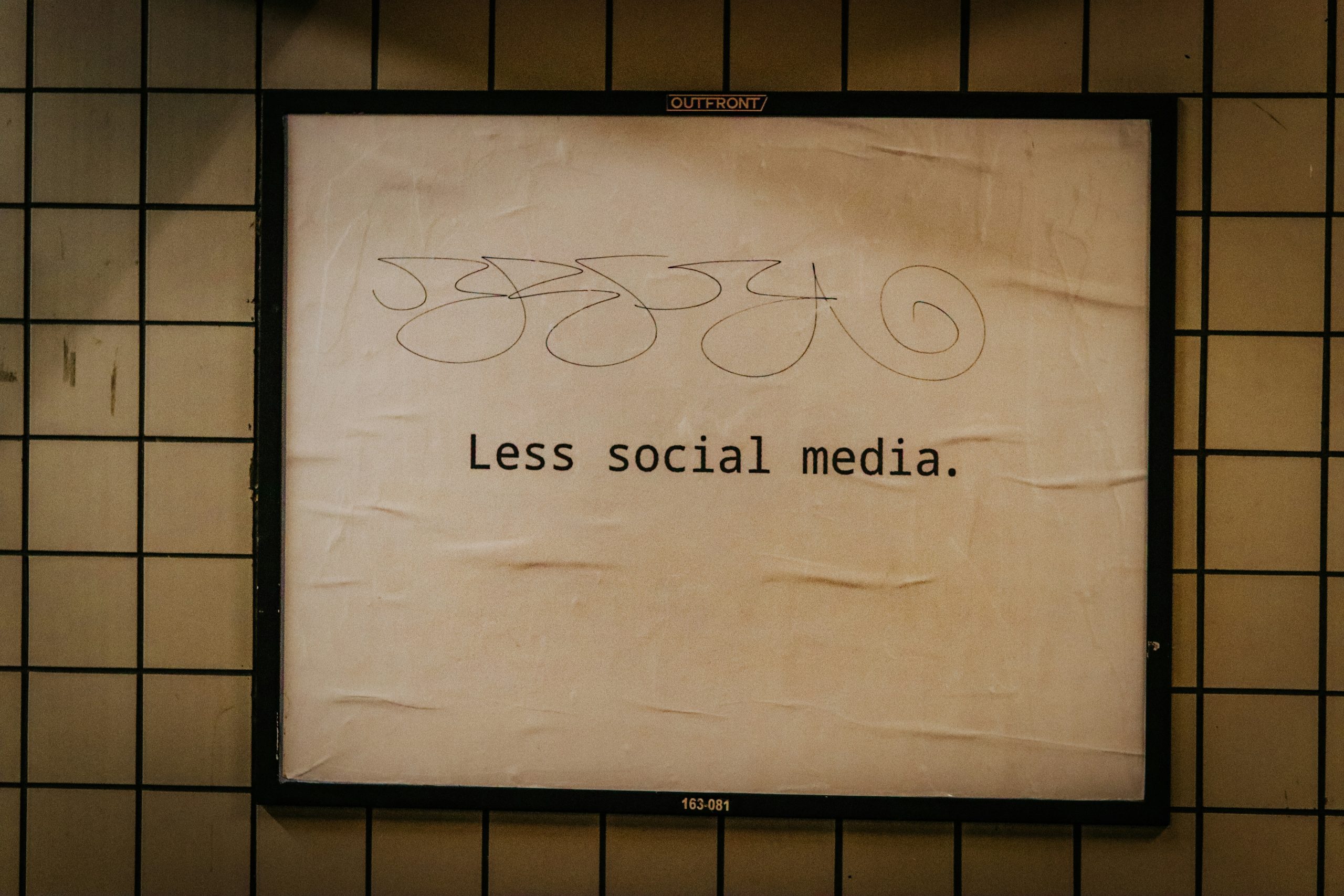
“Fasting of the heart includes abstaining from distractions, vain curiosity, and anything that diverts one from Allah [swt].” [PC: Jon Tyson (unsplash)]
In the modern age, excess often appears in new forms: constant connectivity, information overload, and performative visibility. The Qur’an cautions:
“Do not pursue that of which you have no knowledge. Indeed, the hearing, the sight, and the heart—about all of those one will be questioned.” [Surah Al-‘Isra: 17;36]
Fasting of the heart includes abstaining from distractions, vain curiosity, and anything that diverts one from Allah . Reducing social media use, avoiding doom-scrolling, and guarding what we see and hear are contemporary expressions of fasting’s ethical goals.
Tips for Living Ramadan in Busy Lives
- Those Working in the Holy Month
For those navigating deadlines and workplace pressures, Ramadan is lived through ethical excellence as much as ritual worship. Beginning the day with sincere intention can transform ordinary work into worship. Avoiding dishonesty, impatience, and gossip fulfils the deeper aims of fasting. Even brief moments of dhikr or quiet dua (supplication) carry enduring spiritual weight.
- For Mothers
Much of a mother’s Ramadan unfolds in unseen labour—preparing food while fasting, caring for others, and managing disrupted routines. Islamic tradition affirms that khidmah (service to others) performed with patience and sincere intention can be a beloved act of worship. Quiet endurance, gentle speech, and consistent care are spiritually significant.
- Students
For students balancing fasting with academic pressure, studying with a noble intention, avoiding dishonesty, and exercising patience in fatigue are all acts of worship. Ramadan does not interrupt learning; it refines intention and discipline within it.
Small Deeds, Lasting Impact
The Prophet said:
“Do not belittle any good deed, even meeting your brother with a cheerful face.”14
Simple acts of worship available in all circumstances include:
- Renewing one’s intentions before routine actions;
- Quiet remembrance of Allah ;
- Restraining anger or harmful speech;
- Offering a sincere smile;
- Silent supplication;
- Gratitude in difficulty;
- Acting honestly when unseen;
- Reciting Qur’an and daily adhkār.
Consistency often outweighs scale. As the Prophet taught:
“The most beloved deeds to Allah are those that are conistent, even if small.”15
What Remains After Ramadan?
When the month ends, routines resume, and life’s pressures return. Yet subtle transformations may endure: a pause before reacting, a preference for silence over harm, and a deeper awareness of one’s intentions.
Allah describes His true servants as:
“Those who walk upon the earth humbly, and when the foolish address them, they respond with peace.” [Surah Al-Furqan: 25;63]
Ramadan trains believers in this gentleness—not through grand gestures, but through quiet discipline. It teaches that absence is not always loss; sometimes, it is mercy.
In choosing not to consume, not to speak, and not to rush, Ramadan reveals its deepest lesson: the soul is often nourished most in moments of stillness, where conscious restraint and deliberate abstention become pathways to closeness with Allah .
***
Bibliography
- al-Ghazali, Imam, ‘Ihya Ulum ad-Din’ (translated by Fazl-ul-Karim, www.ghazali.com)
- al-Haj, Dr Hatem, ‘Umdat al-Fiqh Explained: Commentary of Ibn Qudamah’s The Reliable Manual of Fiqh,’ (IIPH, 2019)
***
Related:
– Recognizing Allah’s Mercy For What It Is: Reclaiming Agency Through Ramadan
– How to Make this Ramadan Epic | Shaykh Muhammad Alshareef