
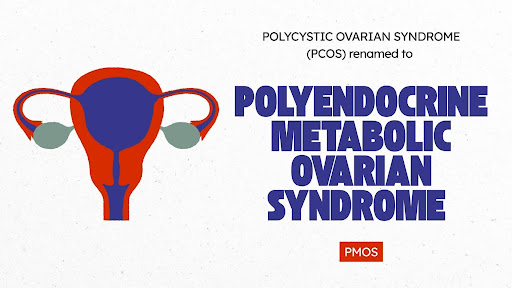
Adolescents aged 10-19 had to meet the first two criterias. PCOS, according to the Lancet study, had long been primarily perceived as a gynaecological or ovarian disorder. However, research, evidence synthesis, and International Guidelines have shown that it is underpinned by endocrine disturbances in insulin, androgens, and neuroendocrine and ovarian hormones.
Signs of PCOS involve metabolic changes reflected by obesity, dysglycaemia, type 2 diabetes, hypertension, dyslipidaemia, metabolic dysfunction-associated steatotic liver disease, cardiovascular disease, and sleep apnoea; reproductive dysfunction as in ovulatory disturbances, irregular menstrual cycles, infertility, pregnancy complications, and even endometrial cancer; psychological effects leading to depression, anxiety, poor quality of life, and eating disorders and dermatological conditions like acne, alopecia, and hirsutism. PCOS cases became serious as the Basic Metabolic Index (BMI) of individuals diagnosed with it was higher and contributed to its severity. Borderline, PCOS had multifaceted health impacts and a much less talked about economic burden.
Vandana shares, “I got my last period six months ago. I repeatedly spent money and time on abdominal scans on the request of my gynaecologist and she could not figure out why my cycle was missing even though there weren’t any cysts”. She read about the experiences of people online and found solace in shared stories. “Maybe I have PMOS, I do not wish to self-diagnose but I will be looking for a gynaecologist who can rightfully treat this.”