
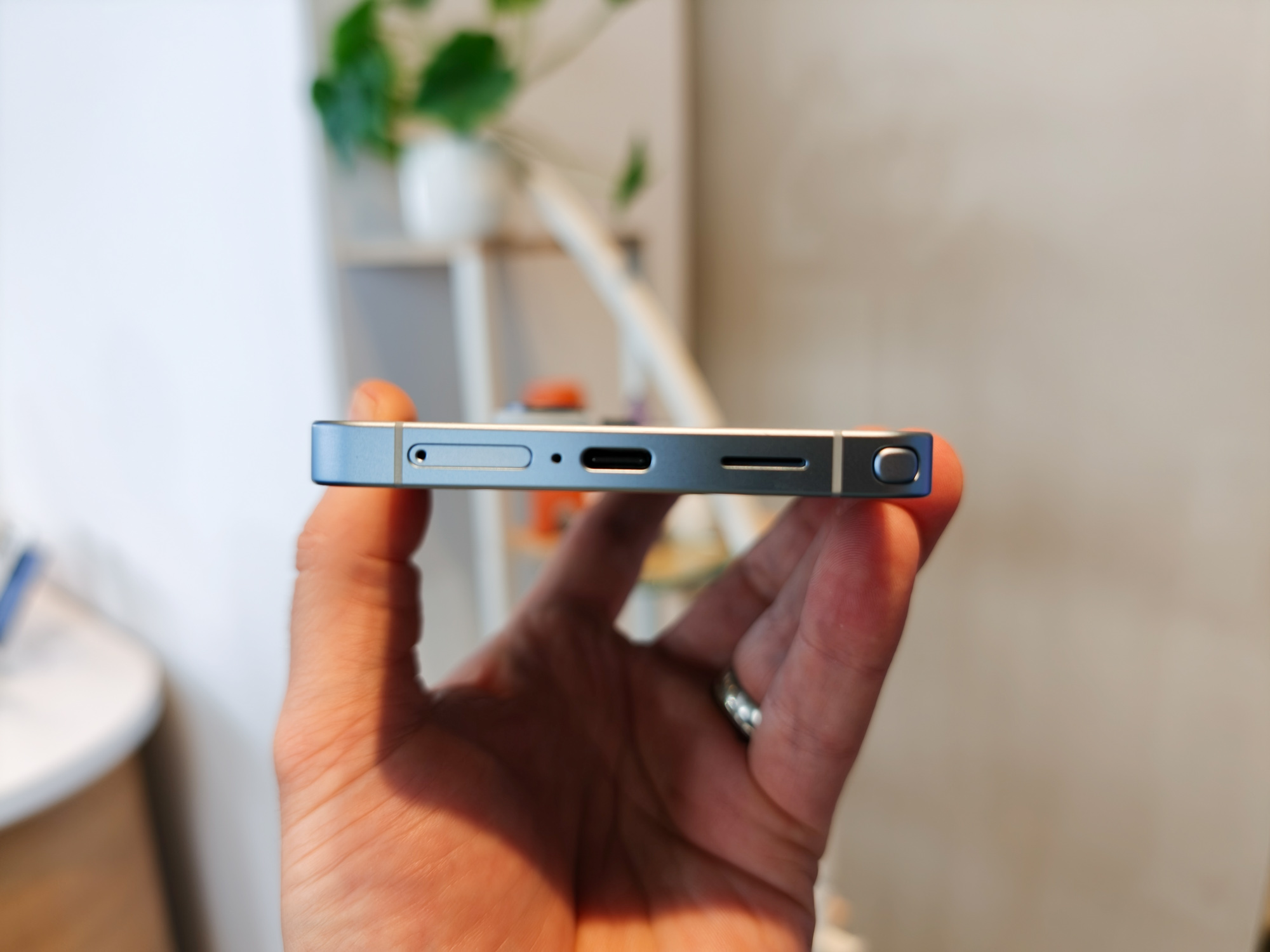
The S Pen has had a rough couple of years. Bluetooth got stripped out with the Galaxy S25 Ultra, it stayed gone with the S26 Ultra, and rumors have floated about Samsung ditching the built-in slot altogether. So when Samsung’s COO went on record saying a genuine S Pen upgrade was in the works, fans had reason to be cautiously optimistic. Turns out, something was in development. It just won’t be showing up on the Galaxy S27 Ultra.
According to a report from Korea’s ETNews, Samsung actually tested a new Galaxy S27 Ultra S Pen design before pulling the plug on it. The company was reportedly exploring a hybrid approach that combined elements of its current EMR technology with AES, or Active Electrostatic tech.
The goal was to eliminate the digitizer layer inside the display entirely, trimming roughly 0.3mm of thickness from the phone. According to the report, Samsung managed to develop a working version that dropped the digitizer without requiring a battery inside the stylus. Then they decided not to use it.
Why the S27 Ultra is sticking with what it knows
The reason for the reversal reportedly comes down to sales data. Both the Galaxy S25 Edge and Apple’s iPhone 17 Air showed that consumers aren’t exactly rushing to pay a premium for a slimmer phone. With that in mind, Samsung apparently saw little reason to risk disrupting the S Pen experience on its most feature-heavy flagship.
There’s also a more technical reason the current EMR setup is hard to walk away from. The digitizer creates an electromagnetic field beneath the display to track stylus input, and that same digitizer is what makes the Galaxy S26 Ultra S Pen incompatible with third-party magnetic cases. Removing the digitizer could, in theory, clear the way for built-in Qi2 magnets on future Ultra phones. But Samsung isn’t ready to make that leap yet.
That being said, it doesn’t mean this idea is completely dead. Android Authority notes the rumored wider Galaxy Z Fold could be where Samsung tests a digitizer-free stylus before committing it to the S series. So for now, either the tech needs more refinement, or Samsung needs better evidence that the thinner hardware actually moves units.