
Horror has a special place in cinema history. The most prolific and recognizable filmmaking style ever created has had a helping hand in shaping the entertainment world into the smashing juggernaut that it is today, and its popularity grows each year. Since the medium’s conception, with the first horror technically being 1896’s Le Manoir du Diable (The House of the Devil), the genre has been at the forefront, creating some of the most iconic, terrifying, and wildly successful films ever made.
The timeline of the horror genre from its inception to the current era is nothing short of spectacular. Each era, from the silent age to the start of the 2020s, has seen horror change considerably and introduced something inventive that helped elevate the genre into the exciting powerhouse we know and love now. From the most revered classics to modern achievements, let’s track the frightening history of the horror genre using ten landmark films that best represent each significant point since its invention.
10
‘Nosferatu: A Symphony of Horror’ (1922)

Starting with the silent age, horror in the time before talking pictures was when the genre was still in its infancy. This period was filled with pioneering classics, many of them still highly revered today for creativity and compelling visual storytelling. From The Cabinet of Dr. Caligari and The Golem to The Phantom of the Opera, these were some of the first films to truly show the terrifying potential of horror. But, in this age of excellence, it is F. W. Murnau‘s Nosferatu: A Symphony of Horror that’s widely hailed as the most definitive thanks to its historical influence.
Released in 1922 as an unofficial adaptation of Bram Stoker‘s Dracula, Nosferatu provided endless terror, becoming the pinnacle of early horror cinema. Featuring eerie visuals, a dark, haunting atmosphere, and one of the most unsettling depictions of a vampire in Count Orlok (Max Schreck), Nosferatu has become a timeless masterpiece that continues to have a lasting impact on modern horror. Arguably, it best represents the silent age of filmmaking with how iconic and revered it’s remained all these decades later.
9
‘Frankenstein’ (1931)

Moving away from the silent era to the dawn of talking motion pictures, next, let’s talk about Hollywood’s Golden Age of horror, when iconic tales of monsters, ghouls, and ghostly nightmares ruled cinema for most of the 1930s and ’40s. It was when Universal Studios entered its most legendary stage: the classic Monsters Universe, a time that saw Dracula, The Wolf Man, and The Mummy triumph on the big screen. But, taking the next spot on this list is a pioneering classic and arguably the most representative of this time, Frankenstein.
Released in 1931 by the remarkable James Whale, this legendary retelling of Mary Shelley‘s iconic novel has had a helping hand in shaping pop culture. Its story, characters, and classic sets have all been ingrained in the minds of cinemagoers for generations. Everything, from the lines to Boris Karloff‘s riveting portrayal of the creature, is still remembered, showing the power and excitement of watching a classic Universal Monster film. Though other adaptations of Shelley’s work are arguably more compelling, Frankenstein certainly represents the peak of this memorable age of horror history.
8
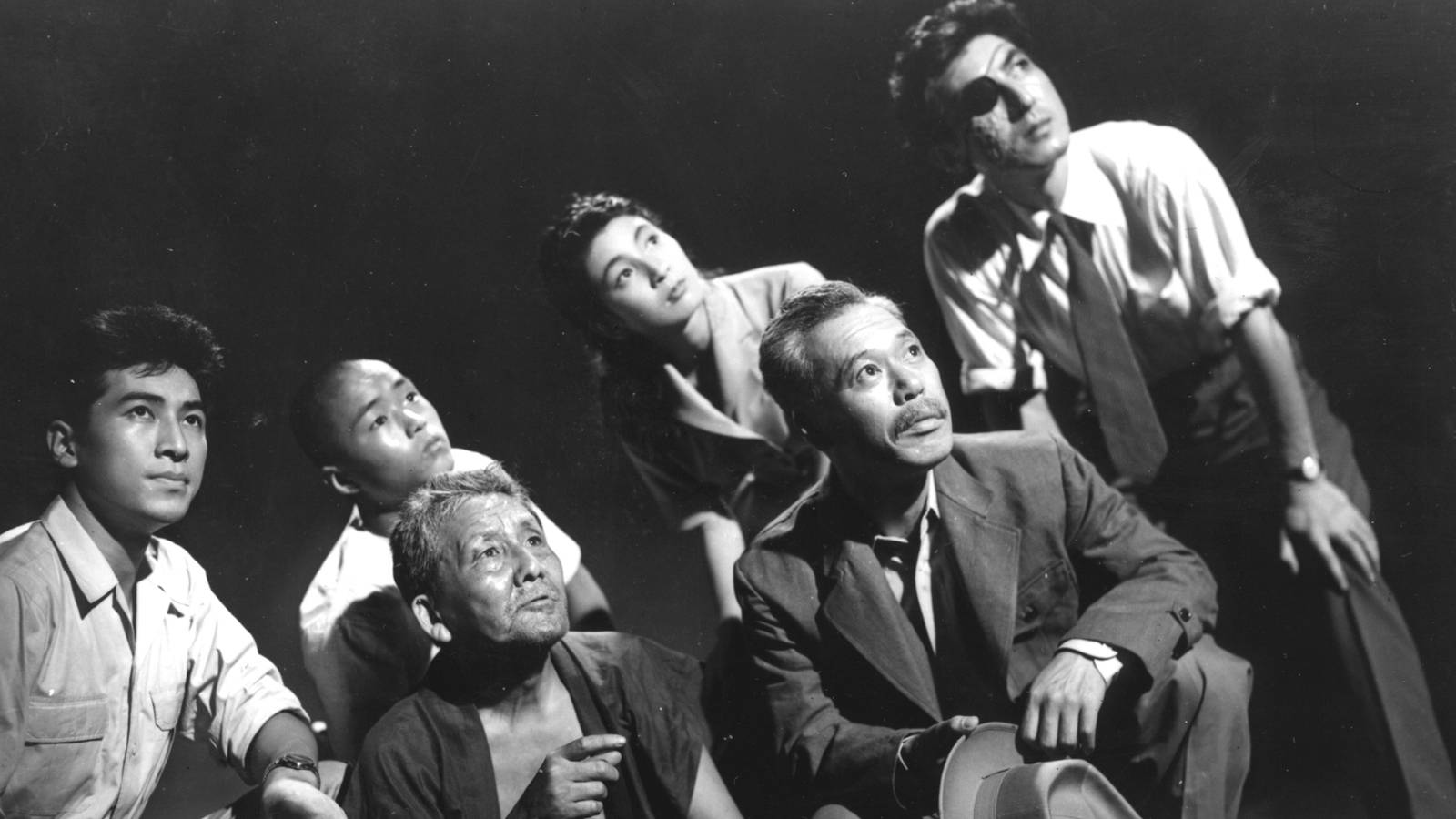
‘Gojira’ (1954)

In a post-WWII entertainment world, the late 1940s and ’50s saw the rise of the sci-fi horror craze. It was a time when the biggest thing to fear in theaters wasn’t some vampire in a dark castle or a supernatural beast, but something much more scientific. From alien invader flicks like War of the Worlds and The Thing from Another World, science-gone-wrong movies like The Fly and The Tingler, to cheesy B-movie classics like Tarantula and The Blob, it truly was a unique change for the genre. The atomic age defined this period, and what better film to define this time than the 1954 classic Gojira?
The world was still recovering after the war, and a new era of atomic energy brought the fear of nuclear devastation to an all-time high. It was greatly expressed through the films that came out during this time. Gojira is the pinnacle of this age, a powerful and creative film that uses its titular monster, the towering and iconic Godzilla, as a metaphor for the A-bomb’s devastating result. It’s also become a massive pop-cultural phenomenon that’s still widely watched, and Godzilla himself has remained a recognizable icon who is still featured in films today. Still, this first film will always be the best representative of this iconic point in history.
7
‘Psycho’ (1960)

The 1960s were some of the most transformative years of the 20th century, a time marked by significant cultural change and advancing ideas. Nowhere was this shift better expressed than through cinema, as films were evolving and shaping into the modern moviegoing experience that we know today. When it comes to horror, no film better exemplifies this change more than Sir Alfred Hitchcock‘s groundbreaking proto-slasher masterpiece Psycho.
Hailed as one of the most influential horror movies ever made, Psycho embodies the genre’s remarkable shift towards edgier, bolder horror during the ’60s. This bold approach was outright revolutionary, as many films during this time were lighter and followed much of the still-enforced Hays Code. Psycho dared to break all that, telling a darker, terrifying tale that was more risqué and violent than anything up to that point. It was way ahead of its time and ushered in a new age of terror that’s still prevalent even now.
6
‘The Exorcist’ (1973)
Where the ’60s got the ball rolling and helped shape modern horror, the ’70s were really where things kicked it up a notch. This is arguably the most revered decade for horror, an age marked by wild acclaim and featuring intense classics. Steven Spielberg‘s monster hit Jaws birthed the summer blockbuster, and The Texas Chain Saw Massacre and Halloween kick-started the slasher craze. However, there’s no mentioning this decade without talking about the scariest movie of all time: William Friedkin‘s The Exorcist.
The Exorcist is the ultimate ’70s horror movie, and it’s the most praised and recognizable film to come out of this time. It’s timelessly terrifying, featuring some of the scariest moments in horror history. From Linda Blair‘s bone-chilling performance as the possessed Regan to Krzysztof Penderecki‘s eerily brilliant film score, there’s so much that’s made this seminal picture endlessly horrifying over the years, and its terror can still trump any of the films that come out today.
5
‘A Nightmare on Elm Street’ (1984)

The 1980s were a truly exhilarating time to be a movie fan, an age of mega blockbusters and iconic Best Picture winners. The movies let the audience get swept up in the fun, abandoning most pretenses beyond entertainment. It was also where the horror genre reached the height of the slasher craze after it took off in the late ’70s. From Friday the 13th to Child’s Play, most of the thrilling slasher flicks we know and love started here. But, here to represent the peak of slashers and the peak of ’80s horror, is Wes Craven‘s A Nightmare on Elm Street.
A Nightmare on Elm Street rolled into theaters in 1984 and instantly became a pop-cultural phenomenon, a major hit with critics and audiences that turned its sinister killer, Freddy Krueger (Robert Englund), into one of the greatest characters in cinema. Craven’s masterpiece marked a time when slashers absolutely dominated the box office, and today it’s still hailed for its intense scares, legendary characters, and for just overall capturing the spirit of this exciting decade.
4
‘Scream’ (1996)

Horror went through quite a remarkable change in the 1990s. Like any decade, it also saw extreme highs and major lows. It was when The Silence of the Lambs came out and became the first horror movie to win Best Picture, but it also experienced the most significant dark age, a time when slashers were becoming tired, outdated, and too clichéd. Then everything changed when Wes Craven returned with another game-changer, 1996’s Scream.
Scream came at the perfect time to save the subgenre from irrelevancy, delivering a fresh, bold new story that powerfully poked fun at the horror genre while giving new inspiration. Scream ushered in a new age of meta-horror, where the stories reference other movies and the characters are self-aware and know the tropes that made up the genre. It’s still a huge influence on the slasher and horror comedies that come out in modern cinema, and its impact on cinematic history will likely never be forgotten.
3
‘Saw’ (2004)

A new century brought all kinds of shifts to horror. The 2000s were the peak of experimental horror, where every year they tested the waters to see what would float and become the next biggest thing. Through this ever-advancing time for the genre, up-and-coming filmmaker James Wan dared to push something far edgier and unique, and so his 2004 splatter masterpiece Saw became seen as one of the ultimate horror films of the early century.
Packing some intense scares, a chilling mystery, and a now-legendary and iconic villain, Jigsaw (Tobin Bell), Saw is a recognizable staple of 2000s horror cinema. It was darker, more shocking, and more gruesome than anything really up to that point, and it really elevated the splatter and torture subgenres to the next level of recognition. It’s still a pop-cultural phenomenon more than twenty years later, and its influence really helped shape the genre going further into this century.
2
‘Hereditary’ (2018)

The early 2000s kick-started a new age of horror, and then the next decade brought a new meaning to the genre. Next, we enter the 2010s, and truly, the movement that represented this time was the elevated horror subgenre. Trading jump-scares, loud noises, over-the-top gore, and expensive Hollywood-style productions for quieter, more thematic storytelling, this decade was marked by a return to subtler, more thought-provoking horror. And, truly, what better masterpiece to describe this point than Ari Aster‘s 2018 film Hereditary?
A wickedly intense, highly suspenseful, and unimaginably terrifying thrill ride, Hereditary is now considered to be one of the all-time most twisted horror films in the industry. Its story is perfectly written, the direction is on point, and it features talented stars at the top of their game, giving award-worthy performances. Hereditary greatly represents this terrifying new wave of elevated horror with its tense story that easily creeps under the viewer’s skin. It’s a modern masterpiece whose influence has carried over to the next decade.
1
‘Sinners’ (2025)

Finally, we’ve entered the current era of the 2020s, and boy, have things been interesting. Though we’re only slightly past the mid-point of this decade, it’s safe to say that we’ve certainly entered a new horror renaissance. It’s a time marked by high-quality new stories and a resurgence at the box office, where reboot franchises like Scream and Final Destination have returned to reclaim their dominance, and where freshly creative tales are here to make a name for themselves in the genre. No original horror film demonstrated this approach more than Ryan Coogler‘s Oscar-caliber vampire film Sinners.
This modern masterpiece is the current face of the horror genre, an absolute cinematic achievement that was a mega hit both critically and financially. With a record sixteen nominations, it’s now the most nominated movie in Academy Award history, a testament to how wildly acclaimed and truly brilliant it’s become. Sinners is a symbol of the horror genre’s dominance and influence in this current decade, and if it’s anything to go by, it’s that horror is only going up from here.