
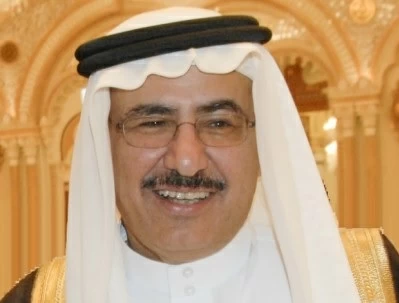
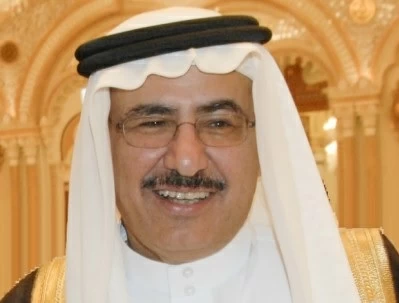
أكد الدكتور إبراهيم عبدالعزيز المهنا أن الإعلام ظل مرتبطاً بالتقنية والتكنولوجيا عبر التاريخ، مشيراً إلى أن كل وسيلة جديدة تضيف لما قبلها ولا تُنهيها، وذلك خلال كلمته في المؤتمر الدولي العاشر للجمعية السعودية للإعلام والاتصال، الذي عُقد في الرياض في 7 أبريل 2026.
وأوضح أن اختراع المطبعة بالحروف المتحركة عام 1440 أسهم في انتشار الكتب والصحافة المقروءة، كما يشهد العصر الحالي تحولاً مع الذكاء الاصطناعي، مبيناً أن ظهور الراديو قبل أكثر من 100 عام لم يُنهِ الصحافة الورقية، كما لم يُنهِ التلفزيون الراديو، ولم تُنهِ الإنترنت ووسائل التواصل الاجتماعي الصحافة أو الكتب الورقية.
وأشار إلى أن صحفاً عالمية مثل «نيويورك تايمز» و«فايننشال تايمز» توسعت لتصبح وسائل إعلام متكاملة تشمل النشر الورقي، ومنصات التواصل الاجتماعي، والبرامج التلفزيونية، والمجلات، والندوات، والمؤتمرات، والبودكاست. كما لفت إلى أن كتابه باللغة الإنجليزية صدرت له طبعتان ورقيتان في أمريكا شكّلتا نحو 70% من مبيعاته.
وبيّن أن وسائل التواصل الاجتماعي أسهمت في سرعة انتشار المعلومات والأفكار، وأوجدت قنوات خاصة لبعض الأفراد المتميزين مثل تاكر كارلسون، إذ يمتلك بعضهم ملايين المتابعين، معتبراً ذلك جانباً إيجابياً من حيث الاستقلال عن وسائل الإعلام الرسمية أو المؤسساتية.
وفي ما يتعلق بالمستقبل، أشار المهنا إلى عدة مخاوف، من أبرزها الخلط بين الحقيقة والتزوير في المعلومات، مستشهداً بمثال تدمير برج خليفة في دبي عبر محتوى مولد بالذكاء الاصطناعي، إضافة إلى الاكتفاء بالمعلومات السريعة والمبتسرة على حساب التعمق، وما قد ينتج عنه من ضعف في تناول الموضوعات.
كما حذّر من انخفاض عدد وعمق التحقيقات الإعلامية الاستقصائية التي تتطلب وقتاً وجهداً كبيرين، إلى جانب غياب المنظومة التشريعية والتنظيمية وضعف المعايير القانونية والأخلاقية التي تضبط استخدام الذكاء الاصطناعي وبعض وسائل التواصل الاجتماعي، فضلاً عن ضعف الكتابات الإعلامية الخلاقة والتحرير المتميز، مؤكداً أن الذكاء الاصطناعي يفتقد روح وأسلوب الكاتب.
واختتم المهنا بالتأكيد على ضرورة عدم الاندفاع غير المدروس نحو التقنيات الجديدة، داعياً إلى التعامل المتدرج معها، مع التذكير بأن التجارب التاريخية تثبت أن كل وسيلة إعلامية جديدة تضيف إلى ما سبقها ولا تلغيها.
Dr. Ibrahim Abdulaziz Al-Muhanna emphasized that media has historically been linked to technology and innovation, noting that every new medium adds to its predecessors rather than replacing them. This was stated during his speech at the 10th International Conference of the Saudi Association for Media and Communication, held in Riyadh on April 7, 2026.
He explained that the invention of the movable type printing press in 1440 contributed to the spread of books and readable journalism. He pointed out that the current era is witnessing a transformation with artificial intelligence, indicating that the emergence of radio over 100 years ago did not end print journalism, just as television did not end radio, and the internet and social media have not ended print journalism or books.
He noted that global newspapers such as “The New York Times” and “The Financial Times” have expanded to become integrated media outlets that include print publishing, social media platforms, television programs, magazines, seminars, conferences, and podcasts. He also mentioned that his book in English has had two print editions in America, accounting for about 70% of its sales.
He indicated that social media has contributed to the rapid spread of information and ideas, creating special channels for some distinguished individuals like Tucker Carlson, with some having millions of followers, considering this a positive aspect in terms of independence from official or institutional media.
Regarding the future, Al-Muhanna pointed to several concerns, the most prominent being the confusion between truth and misinformation, citing the example of the destruction of the Burj Khalifa in Dubai through AI-generated content, in addition to the reliance on quick and superficial information at the expense of depth, which may lead to a weakness in addressing topics.
He also warned about the decline in the number and depth of investigative journalism that requires significant time and effort, alongside the absence of a legislative and regulatory framework and the weakness of legal and ethical standards governing the use of artificial intelligence and some social media platforms, as well as the lack of creative media writing and distinguished editing, stressing that artificial intelligence lacks the spirit and style of the writer.
Al-Muhanna concluded by emphasizing the necessity of not rushing unthinkingly into new technologies, calling for a gradual approach to dealing with them, while reminding that historical experiences prove that every new media medium adds to what preceded it and does not eliminate it.