
A test breakthrough just took EV range beyond 1,000 km. The technology behind it may change how future batteries are built.
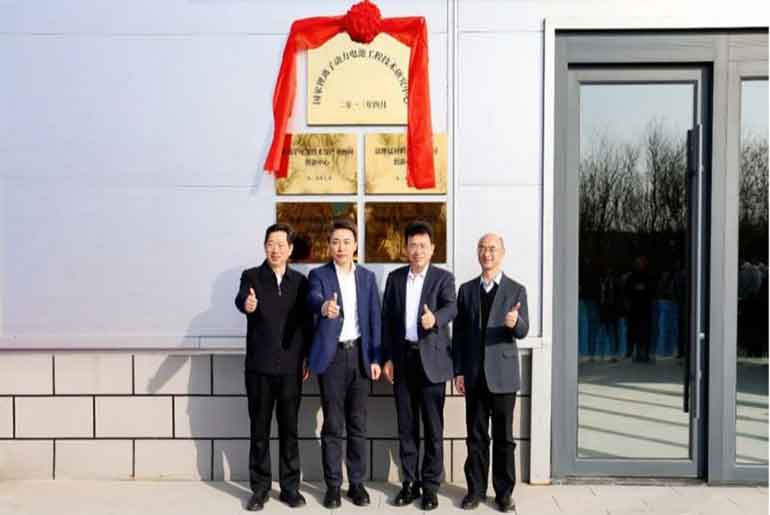
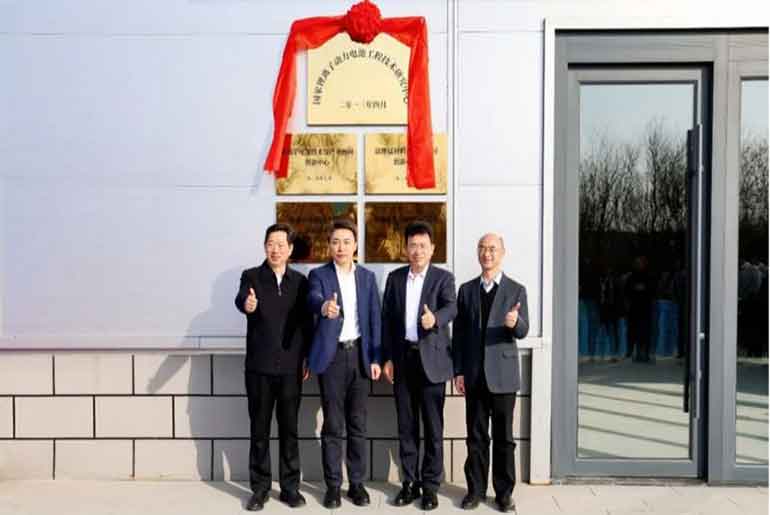
Nankai University has demonstrated a semi-solid-state lithium battery capable of delivering more than 1,000 km of driving range in a real-world electric vehicle test, marking a significant step forward in battery technology. The development highlights the growing potential of hybrid battery architectures to extend range while remaining closer to manufacturing feasibility than fully solid-state designs.

The breakthrough comes as the EV industry continues to balance range, energy density, and scalability. Conventional lithium-ion batteries face limitations in pushing range significantly higher without increasing size or cost. By adopting a semi-solid-state approach, the new system aims to overcome these constraints, offering higher energy density while maintaining compatibility with existing production pathways.
At the core of the design is a hybrid solid-liquid electrolyte system, combined with a lithium-rich manganese cathode and lithium metal anode. This configuration is supported by a “super-wetting” electrolyte, which improves ion transport and stabilizes electrode performance. The prototype achieves over 500 Wh/kg at the cell level and around 288 Wh/kg at the pack level within a 142 kWh battery system, enabling the extended driving range demonstrated in testing.
The battery was evaluated in collaboration with FAW Group, where it was integrated into a demonstration vehicle. The results suggest that semi-solid-state batteries could serve as a practical transition between current lithium-ion systems and future fully solid-state technologies.

Looking ahead, the research team is targeting energy densities of up to 600 Wh/kg and pack capacities of 200 kWh, which could potentially extend vehicle range to around 1,600 km per charge.