
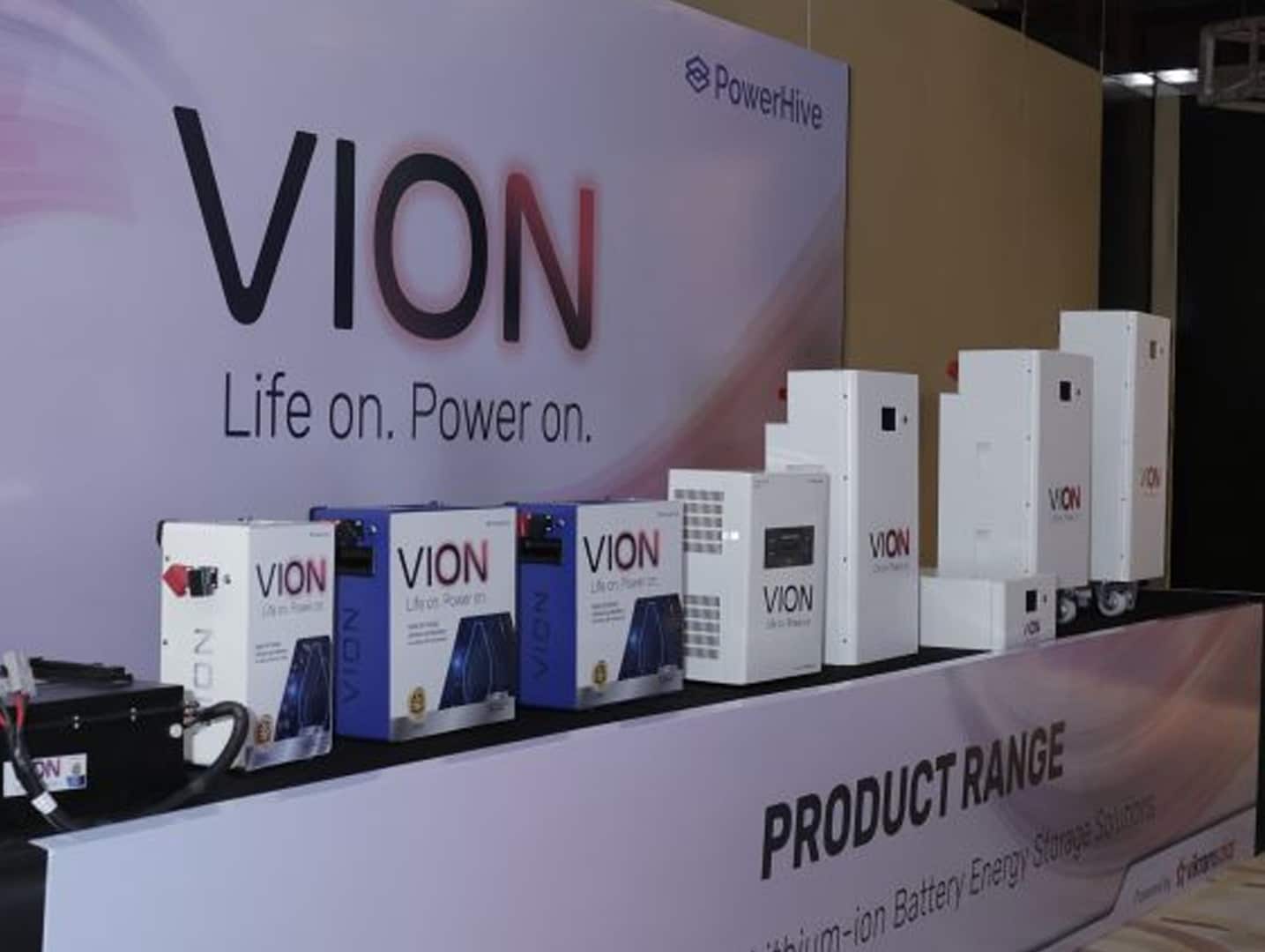
A lithium battery range is entering homes and e-rickshaws, pointing to backup, charging, and a shift from traditional power storage.
PowerHive has entered the battery storage and electric mobility space with its VION lithium battery range, targeting homes, e-rickshaws, and distributed energy use cases. The move signals a shift beyond solar into energy storage and backup systems.

The VION portfolio starts with five products across three segments: inverter batteries, integrated inverter-battery systems, and e-rickshaw batteries. These products are built for daily power needs, including backup during outages and use in small electric vehicles.
For residential users, the range offers battery capacities from 1.2 kWh to 15 kWh. Depending on usage, this translates to roughly 3 to 12 hours of backup. Higher-capacity units can also support appliances with larger loads, including air conditioners. The batteries are designed to be lighter than conventional options and support faster charging. They are rated for up to 3000 charge cycles, with efficiency reaching up to 97 percent. The company is offering warranties of up to 60 months.
Alongside standalone batteries, PowerHive has introduced an integrated system called PowerStack 1.0. This combines an inverter and battery into a single unit. The current version comes with a 1.2 kWh capacity and is designed for simple installation. It can be mounted on a wall or placed on a flat surface. The system includes a battery management setup and is aimed at reducing maintenance needs for households.

In the mobility segment, the company has launched a 5 kWh battery for e-rickshaws. It uses LiFePO₄ cell chemistry, which is commonly used in electric vehicles due to its stability and cycle life. The battery is built for frequent daily charging and discharging and comes with a 36-month warranty.
The launch also aligns with rising demand for distributed energy storage in India, where power reliability and backup remain key concerns for both homes and small businesses. Lithium-based systems are increasingly replacing traditional lead-acid batteries due to their longer life and lower maintenance.