
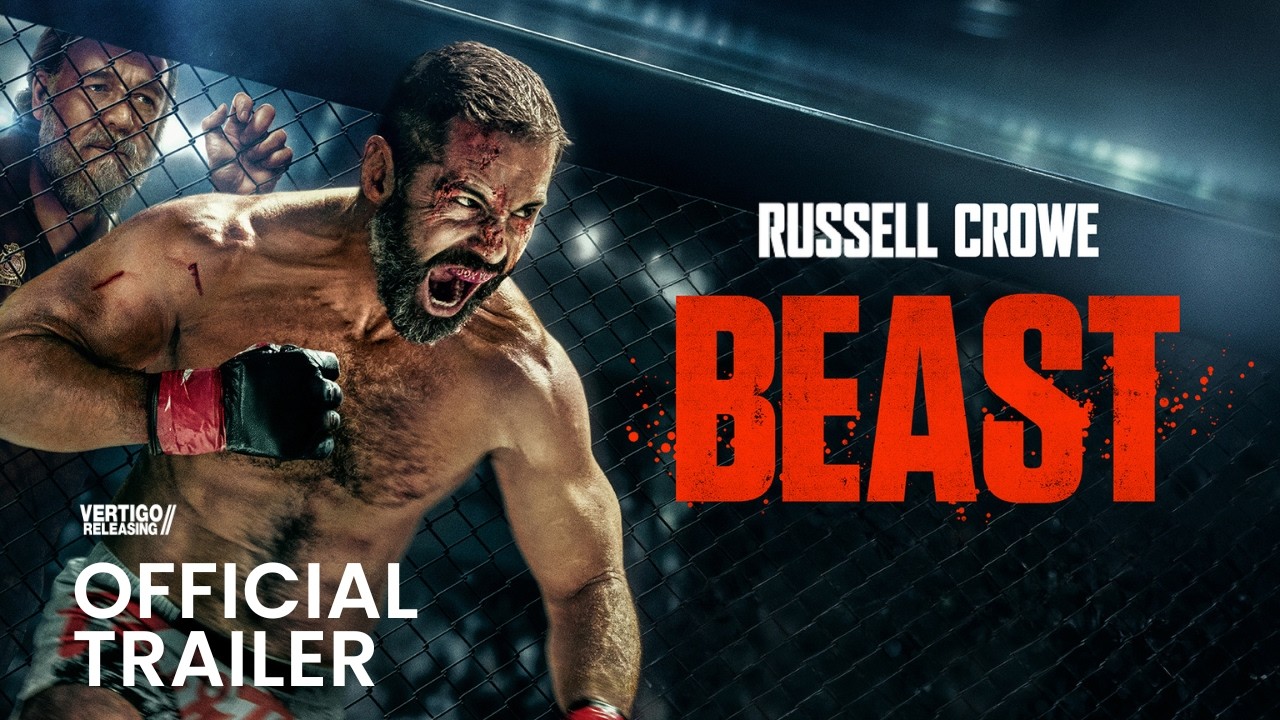
A gritty comeback sports drama where legacy, masculinity, and redemption collide inside the cage
One last fight for legacy and survival
• Core premise: A retired MMA legend is forced back into the fighting world when his brother’s life is threatened, setting up a high-stakes return to the cage
• Stakes + tone: The stakes revolve around redemption, family loyalty, and physical survival, delivered through an intense, masculine, and emotionally charged tone
The emotional setup is built around a fallen fighter navigating regret, aging, and the pressure of reclaiming purpose in a world that has moved on without him. Narrative tension develops through the contrast between past glory and present vulnerability, as the protagonist confronts both external opponents and internal doubt. The story leans heavily into familiar sports drama rhythms—training, sacrifice, and confrontation—but attempts to ground them in emotional stakes tied to family and identity. Symbolically, Beast represents the fight against irrelevance, where the cage becomes a space not just for combat, but for reclaiming dignity and meaning.
Why It Is Trending: The continued demand for legacy-driven sports dramas rooted in redemption arcs
The film fits into a long-standing but resurging trend of comeback sports dramas that focus on aging fighters and second chances. In a cultural moment where audiences are drawn to narratives of resilience and reinvention, these stories remain highly relevant. The MMA setting taps into the global popularity of combat sports, particularly through organizations like ONE Championship, adding contemporary appeal. Streaming platforms and international markets have also increased the reach of sports dramas beyond traditional audiences. From a market standpoint, it positions itself as a familiar yet commercially viable genre piece.
Elements Driving the Trend: Familiar narrative structure combined with modern MMA appeal
The core appeal lies in its recognizable underdog and comeback story, which audiences easily connect with. The narrative hook—returning for “one last fight”—creates built-in tension and anticipation. Russell Crowe’s presence adds star power and credibility, even in a supporting role. The MMA backdrop introduces a modern, globalized sports context that differentiates it from traditional boxing films. Its accessibility comes from its straightforward storytelling and emotional clarity.
Virality of Movie (Social Media Coverage): Moderate traction driven by sports and action audiences
The film gains traction among MMA fans and action film audiences who engage with fight clips and training sequences.
Online discussions focus on fight choreography, realism, and comparisons to films like Warrior and Rocky
Critics Reception: Mixed reception balancing familiarity with execution issues
Critical response points to the film’s reliance on familiar tropes without significant innovation.
While some highlight emotional moments and cinematography, others critique pacing and lack of originality
Awards and Recognitions: Limited awards presence with focus on genre appeal
Currently, there are no major IMDb-listed awards, positioning the film more as a commercial genre entry than a festival-driven project.
Its recognition is likely to come from audience reception within sports and action film communities rather than awards circuits
Director and Cast: A performance-driven approach anchored by star presence and physicality
Tyler Atkins directs with a focus on physical realism and emotional stakes within the sports drama framework. His approach leans toward traditional storytelling rather than stylistic experimentation. Russell Crowe provides gravitas and mentorship energy, grounding the narrative emotionally. Daniel MacPherson delivers a physically committed performance as the central fighter, embodying both strength and vulnerability. Supporting performances add depth but largely serve the central arc. The acting tone emphasizes intensity, masculinity, and emotional restraint.
The film trends because: A familiar but enduring comeback narrative rooted in resilience and identity
• Legacy-driven storytelling — The film taps into timeless narratives of redemption, aging, and second chances
• Industry opportunity — It aligns with global interest in MMA and combat sports as cinematic subjects
• Audience alignment — It appeals to viewers who connect with underdog journeys and emotionally driven action
The industry continues to revisit and repackage these narratives due to their consistent audience appeal
Conclusion: A conventional yet emotionally driven sports drama anchored in familiar themes
Beast delivers a recognizable narrative that prioritizes emotional stakes and physical confrontation. Its emotional positioning is rooted in resilience, identity, and redemption. Culturally, it reflects ongoing fascination with combat sports and masculine storytelling. From an industry perspective, it reinforces the continued viability of formula-driven sports dramas in global markets.
What Movie Trend Is Followed: Legacy comeback sports dramas centered on aging fighters and redemption arcs
Beast follows the enduring trend of legacy sports dramas where retired or fallen athletes return for one final chance at redemption. These films are built around emotional stakes tied to identity, masculinity, and purpose rather than just competition. The emotional framing focuses on resilience, regret, and the need to reclaim relevance. The trend remains highly accessible because it relies on universally understood themes of struggle and perseverance. It resonates with audiences who connect with stories of second chances and personal redemption.
Trend Drivers: Continued audience demand for underdog and redemption narratives
The trend exists because comeback stories provide a clear emotional arc that audiences find satisfying and relatable. The industry continues to invest in these narratives due to their proven commercial appeal. There is a strong connection between sports films and themes of discipline, sacrifice, and personal growth. Audiences are drawn to characters who overcome adversity, particularly when tied to family or personal stakes. This keeps the genre relevant despite its familiarity.
What Is Influencing Trend: Cultural fascination with resilience and reinvention
Society values narratives of comeback and personal transformation
A generational shift emphasizes self-reinvention and overcoming failure
Emotionally, audiences are drawn to stories that reflect perseverance under pressure
Macro Trends Influencing: Globalization of sports entertainment and action storytelling
The film industry is expanding sports narratives to include global formats like MMA
Cultural evolution reflects increased interest in combat sports and physical competition
Lifestyle changes include broader engagement with sports media and fitness culture
Consumer Trends Influencing: Preference for emotionally driven action films
Audiences prefer action films that combine physical intensity with emotional storytelling
Expectations include realistic fight sequences and strong character motivation
Engagement styles focus on spectacle combined with relatable personal stakes
Audience Analysis: Action-oriented viewers drawn to intensity and emotional payoff
The core audience typically ranges from 18–45, including fans of MMA, combat sports, and action dramas. Their lifestyle often includes engagement with sports culture, fitness, and competitive environments. Behaviorally, they seek high-energy content with clear emotional stakes. Viewing habits lean toward both theatrical and streaming platforms for action-driven content. Preferences favor intense, character-driven narratives with physical and emotional payoff.
Conclusion: A consistent and commercially reliable trend within action and sports cinema
This trend works because it delivers familiar yet emotionally satisfying narratives. It is highly scalable across global markets due to the universal appeal of sports and competition. Sustainability remains strong as audiences continue to connect with redemption stories. The industry consistently revisits this formula due to its reliability and audience engagement potential.
Final Verdict: A familiar yet emotionally grounded MMA drama that leans on legacy, masculinity, and redemption without fully reinventing the genre
Beast positions itself as a classic comeback sports drama, relying on emotional stakes tied to identity, family, and redemption rather than narrative innovation. It reflects an industry pattern of revisiting proven formulas within new sports contexts like MMA. Its cultural positioning lies in its exploration of aging masculinity and the pressure to reclaim relevance in a physically demanding world. The film’s identity relevance is rooted in the struggle between past glory and present reality. In the long term, it contributes more to sustaining the genre than redefining it.
Audience Relevance: Emotional connection through struggle, family, and second chances
The film resonates with audiences who connect with themes of redemption, resilience, and personal sacrifice.
It particularly appeals to viewers drawn to sports narratives where emotional stakes extend beyond the competition itself
What Is the Message of Movie: Redemption is earned through sacrifice and confrontation
The film suggests that reclaiming identity requires confronting both external challenges and internal failures.
It emphasizes that personal growth often comes through hardship, discipline, and emotional reckoning
Relevance to Audience: Why it resonates within modern action storytelling
In a content landscape filled with high-concept action, the film offers a grounded, character-driven alternative.
Its straightforward narrative and emotional clarity make it accessible to a wide audience base
Social Relevance: Reflection of masculinity, aging, and purpose in modern society
The film mirrors societal concerns around aging, relevance, and the pressure to maintain identity through achievement.
It explores how traditional masculine ideals—strength, endurance, dominance—are challenged over time
Performance: Moderate reception aligned with genre expectations
The film holds an IMDb rating of approximately 6.2, reflecting mixed audience reception.
With a worldwide box office of around $1.56M, it performs modestly, aligning more with niche genre appeal than mainstream success
Legacy: A continuation of established sports drama conventions
The film contributes to the ongoing tradition of comeback sports narratives without significantly evolving the formula.
Its legacy will likely remain tied to its role within the MMA-focused subset of the genre
Success: Defined by genre alignment and audience niche engagement
Success is measured through its appeal to MMA and action audiences rather than awards recognition.
It functions as a solid genre entry that satisfies expectations without exceeding them
Insights: A film that reinforces the endurance of the comeback sports narrativeIndustry Insight: The film highlights the continued viability of formula-driven sports dramas in global markets. It shows how established narratives can be adapted to new sports contexts like MMA. It also reflects the industry’s reliance on proven storytelling structures.Audience Insight: Viewers remain engaged with redemption arcs and underdog journeys. They seek emotional payoff alongside physical intensity. This film meets those expectations without challenging them.Social Insight: The story reflects broader concerns around aging, masculinity, and relevance. It emphasizes the pressure to maintain identity through achievement. It also reveals how personal value is often tied to performance.Cultural Insight: The film reinforces traditional sports storytelling while integrating modern combat sports culture. It maintains familiar themes rather than redefining them. This positions it as part of an ongoing cinematic tradition.
Conclusion: A steady, conventional sports drama that delivers familiarity over innovation
The film’s long-term relevance lies in its adherence to a proven narrative structure. It impacts the cinematic landscape by reinforcing rather than reshaping the genre. From a market perspective, it demonstrates the continued demand for action-driven sports films. For the industry, it signals that familiarity remains a safe and reliable storytelling approach.
Summary of the Movie: A high-intensity comeback story where legacy, family, and survival collide inside the cage
• Movie themes: Redemption, masculinity, family loyalty — the film explores how identity and purpose are reclaimed through struggle, sacrifice, and confrontation
• Movie director: Tyler Atkins adopts a traditional sports drama approach focused on physical realism and emotional stakes. His intent is to deliver a grounded, character-driven narrative within the high-energy world of MMA
• Top casting: Daniel MacPherson leads with a physically committed performance, while Russell Crowe adds gravitas and emotional grounding; supporting cast enhances the film’s intensity and realism
• Awards and recognition: No major IMDb-listed awards, positioning the film as a commercial genre entry rather than a festival-driven contender
• Why to watch movie: It delivers a straightforward, emotionally driven sports drama with intense fight sequences and strong themes of resilience
• Key Success Factors: Positioned within proven comeback sports narratives, it succeeds through familiarity, emotional stakes, and MMA appeal
• Where to watch: Released April 10, 2026 (United States); available through theatrical release with likely transition to digital/streaming platforms
Conclusion: A familiar yet engaging sports drama that emphasizes resilience over reinvention
Beast is defined by its adherence to classic sports storytelling and its focus on emotional and physical struggle. The emotional takeaway lies in its exploration of redemption and the fight for relevance. As a viewing experience, it offers intensity, familiarity, and character-driven action. Its lasting impression comes from its themes rather than its originality. Ultimately, it serves as a solid example of a genre that continues to resonate through its core emotional appeal.