
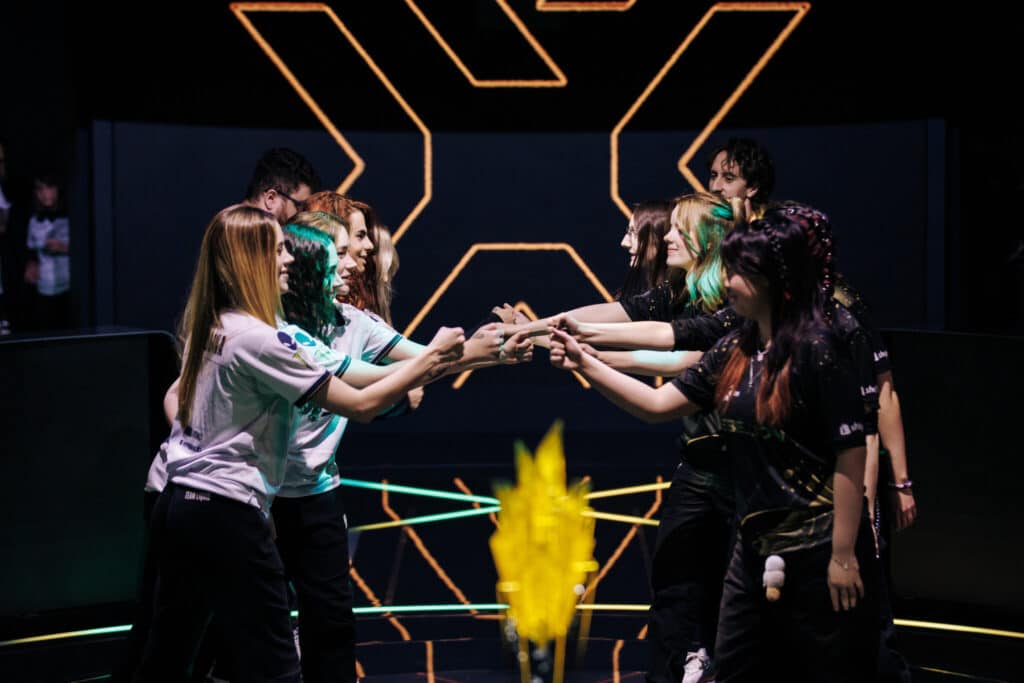
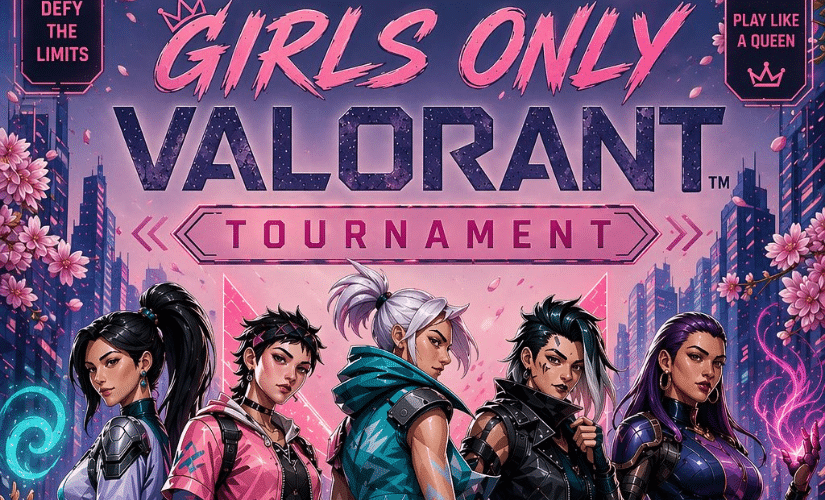
Last week, a new “girls only” VALORANT tournament made waves in the esports community, but perhaps not in the way its organizer, femaleplayersTN, had hoped for.
First criticized for its AI-generated social media graphic, it was revealed shortly after that femaleplayersTN did not allow trans women to participate in its tournament. According to leaked Discord screenshots, femaleplayersTN members set this rule due to their religious beliefs.
- “We get a lot of hate. For nothing”: Milk Cup Fortnite pros talk sexism in esports and hope for the future
- Esports has changed, but sexist situations won’t go away
“We think that it’s not fair to let transgenders play our tournaments,” shows one screenshot, while another Discord conversation reads: “We currently limit participation to players who are biologically female, as our goal is to create a space specifically for women in that category.”
Despite numerous initiatives promoting diversity and inclusion in esports, it appears that some parts of the scene still do not welcome everyone. Even loudly voiced community feedback could not persuade femaleplayersTN to change their ruleset.
With this debate reaching far beyond the bounds of VALORANT esports, let’s discuss why trans representation matters for all genders across esports and the Game Changers (GC) community.
Change Starts By Listening To Marginalized Voices
What is the purpose of a women-only tournament? Most voices involved with VALORANT’s GC scene would agree that such events aim to provide a safe environment for marginalized genders to compete and hone their skills. They serve as both competitive opportunities and uplifting spaces for women to connect, network, and grow together.
I write “marginalized genders” because this is the umbrella term most commonly associated with VALORANT (GC) initiatives and other tournaments focused on inclusion. This is also why the community reaction to femaleplayersTN’s was firmly negative, at least from the GC side of the VALORANT esports scene.
Many of us find comfort and strength in the sense of togetherness that these events provide. Irrespective of whether you wish to call femaleplayersTN’s tournament rules transphobic or not, it feels counterproductive to exclude an entire cohort from such an experience.
Why would we create a divide between us when we only have to benefit from working together?
What might be even more harmful, however, was fermaleplayersTN’s response to the initial wave of feedback. The tournament organizer first blocked X (formerly Twitter) accounts that criticized its AI usage. femaleplayersTN then replied to my comment, saying that they would consider working with graphic designers in the future. However, when I continued to inquire about their tournament rules regarding trans women, I was promptly blocked, too.
VALORANT on-air talent, Billie “billieidk” Purdie, summarized it well in my opinion: “Be clear in how you communicate with your community (so they know what to expect) – but most importantly, be open to feedback, instead of shutting those voices down.”
Obviously, hateful comments from either side of the conversation are never merited. But those who use their voice to give constructive feedback do so to drive meaningful change. By silencing these voices, femaleplayersTN has robbed itself of the opportunity to become part of this change.
Furthermore, as pointed out by xhellokayla on X, trans individuals contribute massively to grassroots esports and diversity initiatives in our scene. They have spearheaded safe, competitive environments for years, and it would be a disservice to exclude them from such spaces.
Esports Movements Are Going In Circles
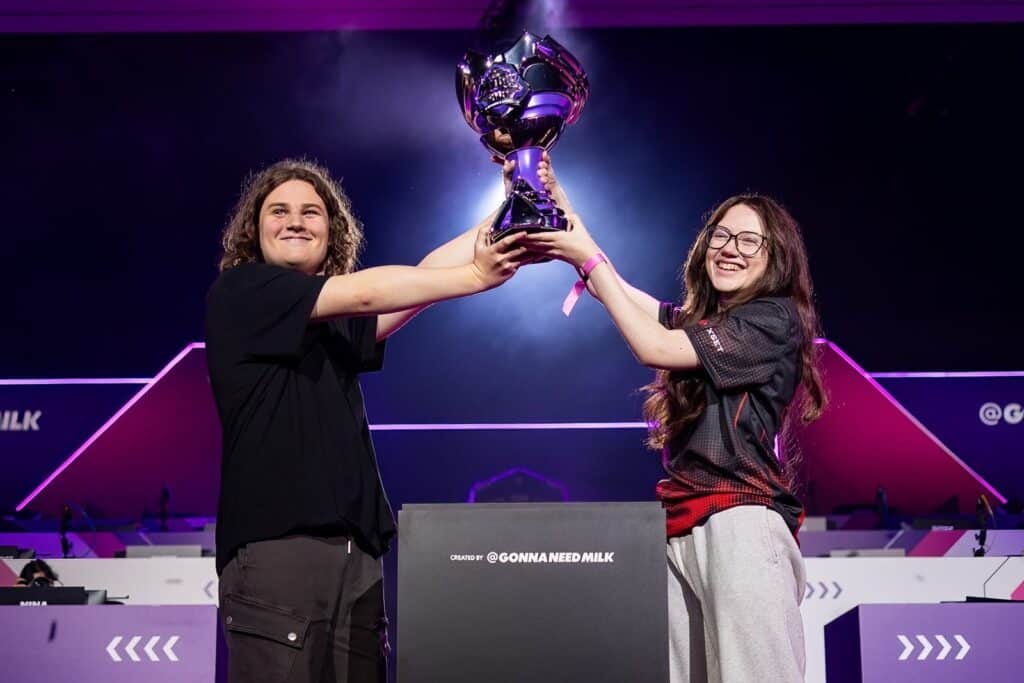
This was by far not the first time the esports community has discussed trans participation in women’s tournaments. Last October, for instance, discourse broke out following The Milk Cup 2025, a Fortnite tournament for women and other marginalized genders. Trans player Vader was part of the event-winning duo and was targeted with transphobic and sexist rhetoric.
Similar “debates” course through the Game Changers scene from time to time, especially when a player or event receives a lot of attention. This is something that I also noticed after the femaleplayersTN event announcement. The first wave of resonance was critical of the tournament’s trans-exclusionary policies. However, once the reach of certain social media posts breached the GC bubble, a second wave of comments followed.
Many pro-trans accounts, including mine, were flooded with hate speech of all kinds. In my experience, publicly supporting trans rights tends to attract some of the most extreme social media responses. It is exhausting to speak out when the same anti-trans talking points keep being recycled every few months. At the same time, this only underlines why we need to speak out in the first place. The negative attention we receive is a mere fraction of the hate trans folks experience on a daily basis.
The anti-trans social media comments might stem from a loud minority that is unwilling to engage in meaningful discourse, but they resonate with certain readers, including the femaleplayersTN team.
“We’ve seen a lot of messages of support and people defending us publicly and that means a lot,” shared the tournament organizer in a public statement. “We’ve also seen some great support on live streams. And special thanks to Asmongold for taking the time to discuss the topic in a more balanced manner with some fair points and bringing a more balanced perspective to our situation.”
Swimming Against A Growing Current
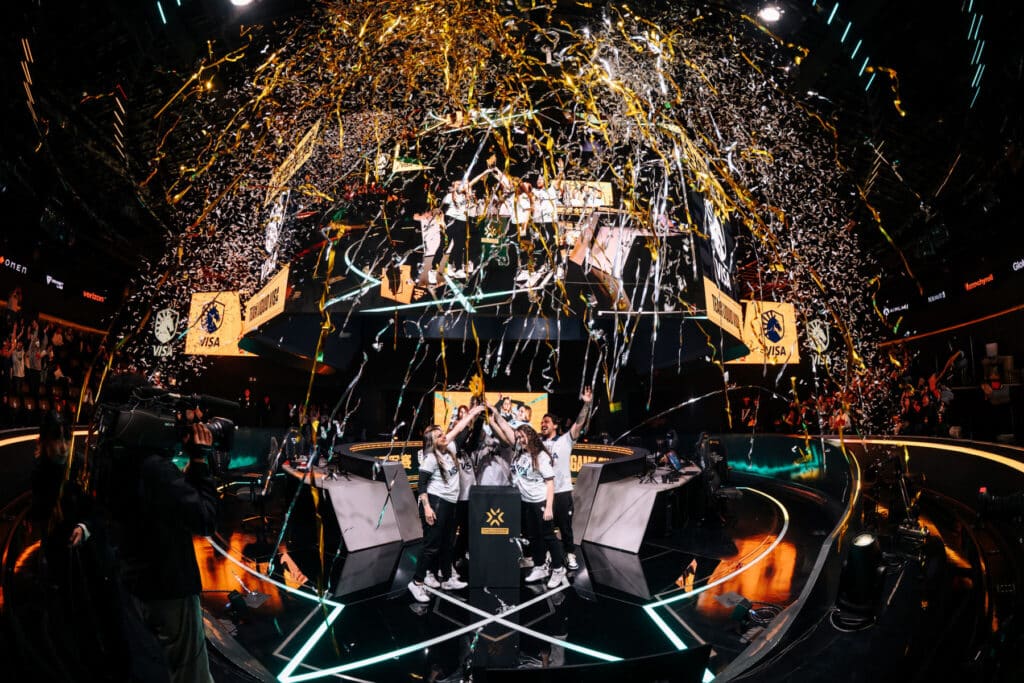
In my opinion, the femaleplayersTN incident perfectly encapsulates the core struggle of driving meaningful change in esports. Yes, we can create our own tournaments and communities with truly inclusive representation. We can broadcast inclusivity campaigns and uplift the voices around us.
Unfortunately, though, many of the barriers women and other marginalized genders face in esports originate from and are exacerbated by systemic issues as well as socio-political developments.
One post by VALORANT athlete Sarah “sarah” Simpson has stuck with me in this regard: “It just feels a little frivolous to be talking about my funny little scene in my funny little video game.
“Nonetheless, if I’m being honest, I don’t know what the fuck to do about that and the more I think about it the more scared I get that we are all wasting our time here and that, maybe, just maybe, that is one of the most evil things we could be doing at the moment.”
It does sometimes feel like we are wasting our resources on one small scene while anti-LGBTQ legislation is invading the world around us. With so many factors beyond our direct control, shouldn’t we look elsewhere to drive change?
Maybe I’m wrong – there’s a solid chance I might be – but I still hold hope that we can make a difference for marginalized individuals in esports. Especially given that esports has a younger audience than traditional sports, there is significant potential to raise LGBTQIA+ awareness and reduce misinformation. This is precisely why we need to nurture environments with diverse representation, where open dialogue and learning can happen safely, free from the noise of slurs and recycled stereotypes.
Moreover, I like to remind myself that esports has already come a long way in terms of diversity and inclusion. It’s been a rocky road, but we do have more funding and systems to encourage diversity and discourage discrimination than at the dawn of our industry.
“I really do think GC in VALORANT has actually been incredibly successful,” highlighted Sarah in her post. “If the goal was to develop talent of marginalized genders due to the discrimination they face in esports, maybe even to inspire certain young people that would’ve never had an interest in competing to give it a try, I think these have undeniably been accomplished.”
The post A “girls-only” tournament without trans women? Why trans representation matters for all genders appeared first on Esports Insider.