
When we first meet Ian McKellen’s Julian Sklar, he’s lit by a ring light as he records Cameos in front of an iPhone, “signing” each one off by holding an imaginary pen and drawing a signature in the air. Once a much-revered British painter, Julian is long past his glory days. He’s lost his artistic zeal to an increasingly commodified art world as well as to “cancel culture”, and he has turned bitter and cranky, living alone in a massive London townhouse: a musty space covered in framed clippings and exhibition posters from times of yore, but aching and eager to come alive with the potential of the discarded art supplies and unfinished canvases that make up the majority of the clutter. From the onset, it’s clear that this is a complex role fit for the legendary McKellen to dig his teeth into, and sure enough, he devours it.
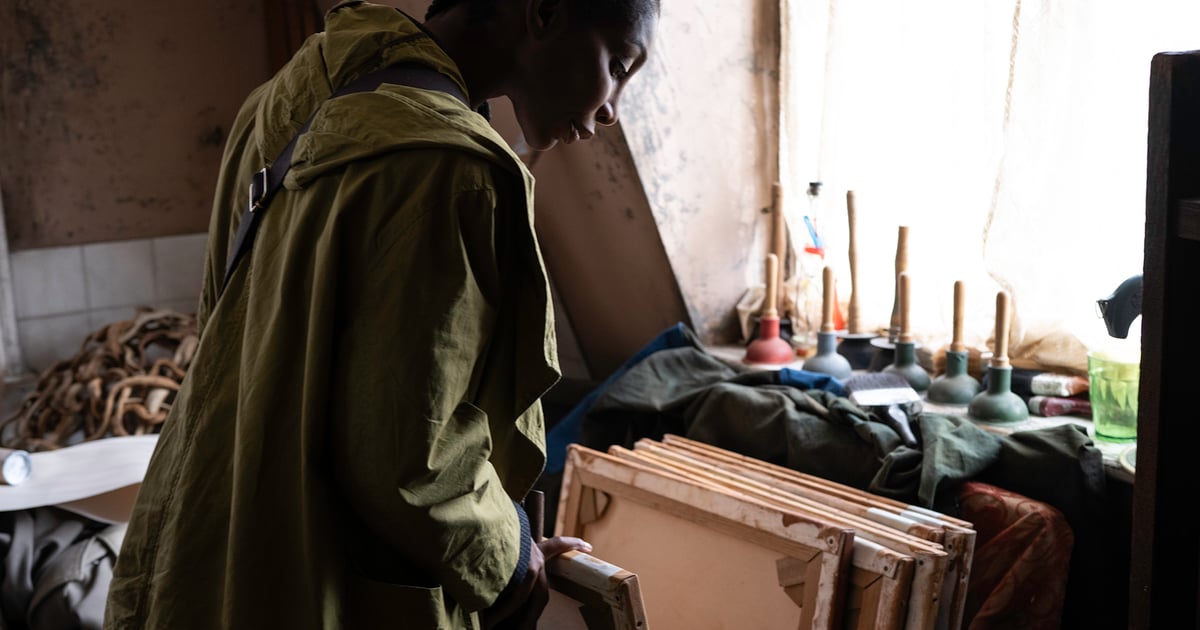
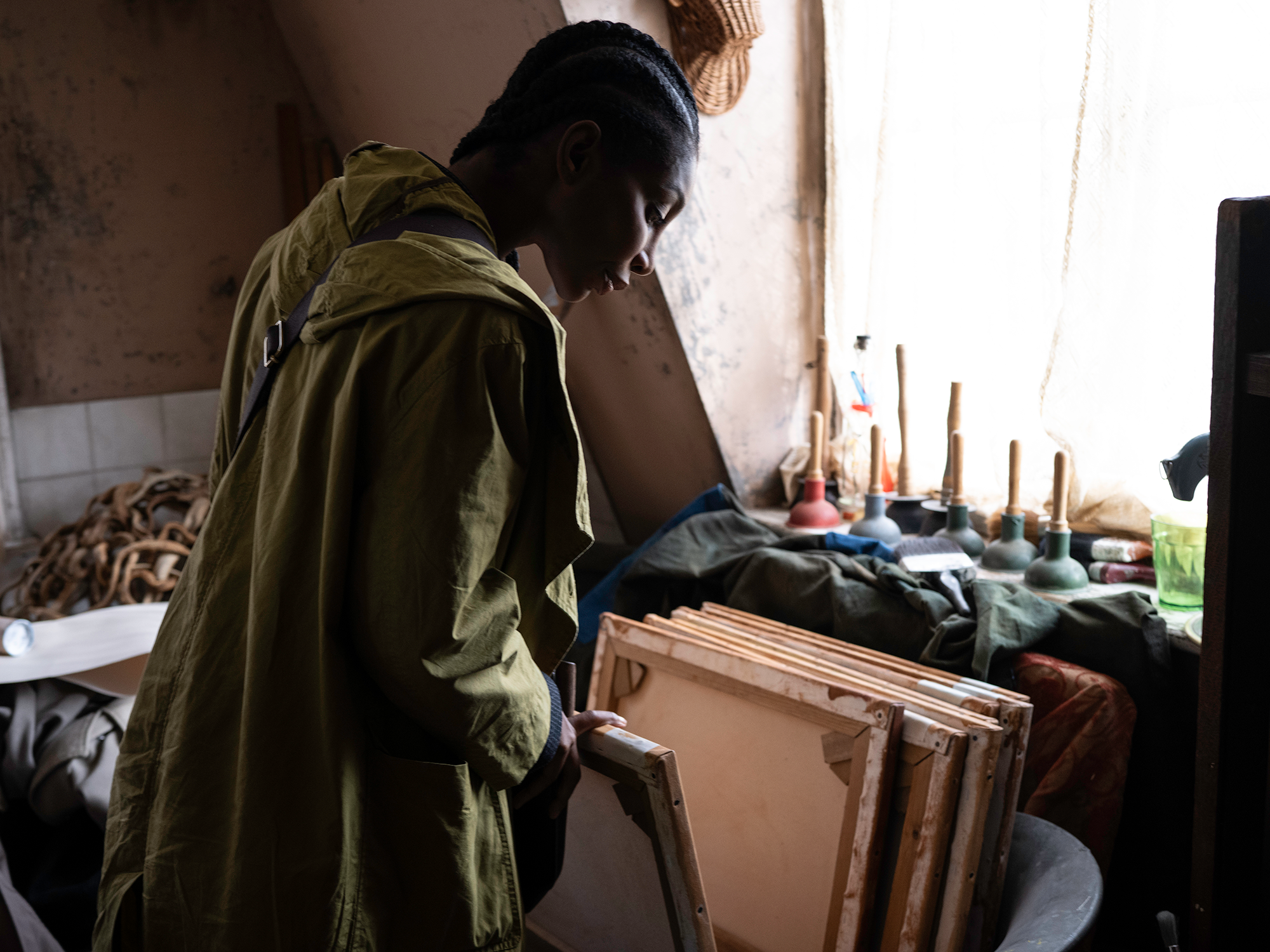
We meet Julian through the guarded gaze of Lori Butler (an equally terrific Michaela Coel) a struggling young artist who has withdrawn from exhibiting her own work and claiming a stake in the art world, instead turning to art restoration – and sometimes, forgery – while working at a food truck to make ends meet. Lori has been secretly hired by Julian’s children, Sallie (Jessica Gunning) and Barnaby (James Corden), to work for their estranged father as an “assistant”, with the ultimate plan being that she forges a series of lucrative, unfinished paintings (the titular Christophers) so that they can sell them after their father’s death.
Get more Little White Lies
It’s a brilliant showcase of both McKellen and Coel’s talents. The contrast between them is rich and layered, down to the detail of costume designer Eleanor Baker’s choice of knitwear and corduroys in warm and cool tones. Where Julian is the flamboyant, belligerent, woe-is-me blatherer ranting about cancel culture or the uselessness of art education, Lori is taut and taciturn, confident with setting boundaries; cypher-like as she looks at her former idol with a mix of pity, intrigue and compassion. Ed Solomon’s simple yet smart screenplay even sets The Christophers apart from Soderbergh’s recent genre exercises, which, in comparison, feel a lot more reserved and lacking in personality. If anything lets the film down, it’s Gunning and Corden’s cartoonishly evil siblings, whose scenes make this feel like an entirely different and much more exaggerated affair.
At its core, The Christophers articulates so much about the space between artwork and self-expression; about what makes “good” art; about how artists can inspire one another to explore the depths of honesty and freedom in their work; about the fear of the artist losing track of what drives them to create. All of this, then, makes it all the more difficult to comprehend where Soderbergh is coming from when he so confidently claims that he will be using “a lot of AI” in his next film. The irony isn’t lost on anyone. Here, he has made a film that can’t not be read as introspective, and one that stands as the most powerful rebuttal to that statement. Whether his submission to the hungry maw of AI leaves him ‘revived’ or ‘reviled’ remains to be seen.