
Body-horror coming-of-age cinema exploring adolescence, class anxiety, and female transformation
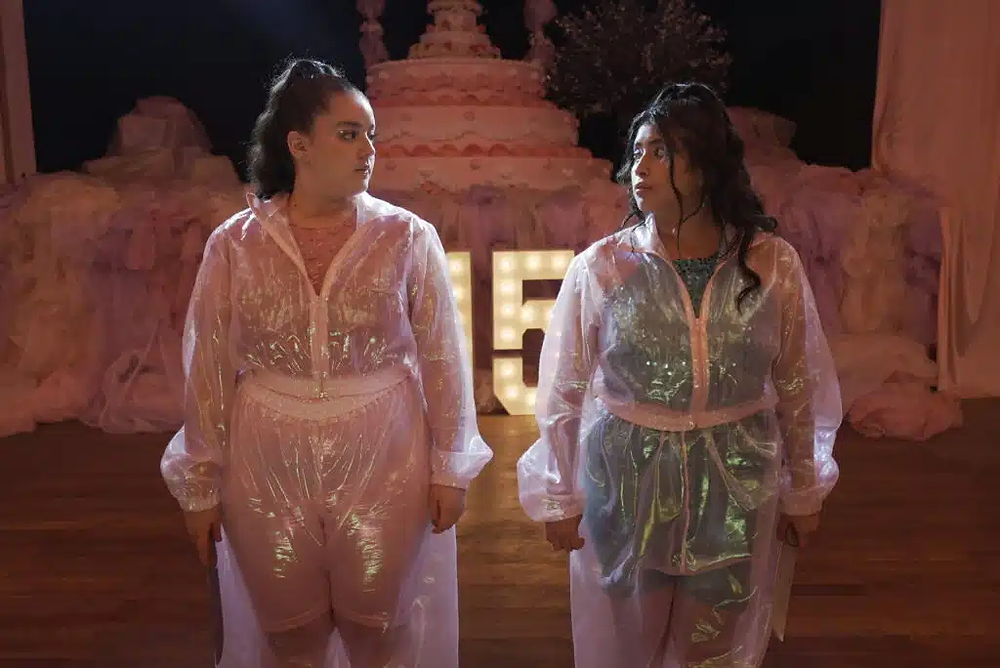
Fifteen reimagines the traditional quinceañera as a chaotic blend of body horror, dark comedy, and adolescent psychological trauma. Directed by Jack Zagha Kababie and Yossy Zagha, the film follows two best friends navigating desire, cruelty, class division, and social pressure until one girl’s body begins transforming into something monstrous. Set in Mexico City, the movie combines kitsch aesthetics, grotesque physical horror, teenage insecurity, and biting social critique into a visually exaggerated coming-of-age nightmare. Led by Greta Martí and Macarena Oz, the film explores adolescence through fear, transformation, humiliation, and unstable identity rather than nostalgic innocence. Ultimately, the project becomes both a female coming-of-age horror story and a metaphor for bodily anxiety, social alienation, and the emotional violence surrounding adolescence.
➡️ Implication: Coming-of-age horror increasingly uses body transformation and grotesque symbolism to explore youth anxiety and identity instability.
Why It Is Trending: Body horror and teenage anxiety colliding through socially conscious genre storytelling
The film gained attention because of its unusual combination of quinceañera culture, grotesque body horror, female friendship, and class commentary. Audiences and genre fans strongly responded to the movie’s visually aggressive approach to adolescence and emotional transformation. The blending of Mexican cultural identity with exaggerated creature horror also strengthened arthouse and festival interest considerably. Online discussion focused heavily on the film’s disturbing body imagery, dark humor, and emotional portrayal of teenage insecurity. Its combination of kitsch aesthetics, social critique, and female-centered horror helped position the movie within the growing rise of elevated coming-of-age genre cinema.
➡️ Implication: Socially conscious body horror continues expanding through female-centered coming-of-age storytelling.
Elements Driving the Trend: Grotesque transformation, teenage cruelty, and cultural symbolism
The film builds emotional and psychological horror through bodily transformation, adolescent humiliation, and unstable social identity. Mayte and Ligia’s friendship becomes increasingly strained by class pressure, desire, jealousy, and emotional insecurity beneath the quinceañera celebration structure. The movie uses grotesque physical mutation as a metaphor for puberty, self-hatred, emotional isolation, and fear of adulthood. Its exaggerated visual style blends camp aesthetics, blood-soaked humor, and creature horror with emotionally grounded teenage vulnerability. Together, these elements create a disturbing but emotionally recognizable portrait of adolescence and female social pressure.
➡️ Implication: Body horror increasingly functions as emotional metaphor for identity instability and adolescent anxiety.
Virality of Movie (Social Media Coverage): Grotesque visuals and teenage horror fueled online curiosity
The movie generated online discussion because of its bizarre body-horror imagery and unusual reinterpretation of quinceañera culture through creature horror. Social-media reactions focused heavily on the film’s disturbing transformation sequences, grotesque practical effects, and emotionally uncomfortable teenage realism. Horror audiences especially responded to the project’s combination of dark comedy, social critique, and exaggerated coming-of-age symbolism. The movie’s colorful aesthetic and grotesque imagery also strengthened meme potential and visual sharing across genre communities. Online horror spaces increasingly discussed the film as part of the growing rise of emotionally intelligent body horror.
➡️ Implication: Visually extreme body horror increasingly drives viral engagement inside digital horror communities.
Critics Reception: Praise for genre experimentation and emotionally aggressive body horror
Critical responses praised the film’s ambitious blend of body horror, adolescent drama, dark comedy, and social commentary. Reviewers highlighted the movie’s ability to transform teenage insecurity and social cruelty into disturbing physical horror without losing emotional authenticity. Critics also praised the directors for combining grotesque imagery with class critique, female friendship dynamics, and culturally specific storytelling. Comparisons emerged to iconic body-horror films such as The Fly and psychologically disturbing coming-of-age horror narratives. The film’s aggressive visual identity and emotionally uncomfortable tone became central to its critical appeal among genre audiences.
➡️ Implication: Genre critics increasingly support emotionally symbolic horror rooted in social and psychological realism.
Awards and Recognitions: Rising genre attention through arthouse horror visibility
Fifteen has gained growing recognition within horror and arthouse cinema circles because of its unusual blend of cultural symbolism, body horror, and teenage psychological realism. While still emerging within broader festival conversation, the film’s strong genre identity and visually distinctive style strengthened attention among horror-focused audiences and critics. Its emotionally aggressive coming-of-age narrative also positioned the project within the expanding global visibility of Latin American horror cinema. Audience reactions strongly praised the movie’s originality, visual confidence, and grotesque emotional metaphor. The film’s early recognition comes primarily through genre buzz, critical curiosity, and horror-community discussion.
➡️ Implication: International horror cinema increasingly gains visibility through culturally specific and emotionally symbolic storytelling.
Director and Cast: A young ensemble driving grotesque emotional realism
Directed by Jack Zagha Kababie and Yossy Zagha, the film balances grotesque horror imagery with emotionally grounded teenage vulnerability. Greta Martí and Macarena Oz anchor the story through emotionally unstable performances shaped by insecurity, friendship tension, fear, and adolescent cruelty. Aminta Ireta further strengthens the social pressure and emotional volatility surrounding the central friendship dynamic. Supporting performances from Mercedes Hernández and Enrique Arreola reinforce the movie’s unsettling atmosphere and socially grounded realism. The directors approach horror through exaggerated visual chaos while maintaining emotional intimacy beneath the grotesque body transformation narrative.
➡️ Implication: Contemporary body horror increasingly relies on emotionally vulnerable performances and socially grounded character realism.
Conclusion: A grotesque coming-of-age horror about adolescence, fear, and emotional transformation
Fifteen transforms the traditional quinceañera into a disturbing exploration of adolescence, bodily anxiety, class pressure, and unstable female identity. Its exaggerated body horror and emotionally aggressive storytelling create an unsettling but emotionally recognizable portrait of teenage fear and transformation. Jack Zagha Kababie and Yossy Zagha approach horror through grotesque symbolism, dark comedy, and social discomfort rather than conventional supernatural terror alone. Greta Martí and Macarena Oz anchor the film through emotionally volatile performances balancing vulnerability, jealousy, cruelty, and fear of adulthood. Themes surrounding class division, bodily transformation, adolescence, humiliation, and female social pressure remain central throughout the narrative. Ultimately, the film becomes both a disturbing creature horror story and a metaphor for the emotional violence of growing up inside socially performative teenage culture.
➡️ Implication: Female-centered body horror will continue reshaping modern coming-of-age genre cinema.
What Movie Trend Is Followed: Female-centered body horror and grotesque coming-of-age cinema
Fifteen follows the growing trend of female-centered horror films using body transformation and grotesque imagery to explore adolescence, emotional instability, and fear of adulthood. Instead of portraying teenage life through nostalgic coming-of-age realism, the film transforms puberty, friendship, class anxiety, and social cruelty into disturbing creature horror and psychological chaos. Similar modern horror films increasingly use female bodily mutation as a metaphor for insecurity, humiliation, unstable identity, and emotional repression. The movie also reflects the rising influence of Latin American genre cinema blending culturally specific storytelling with emotionally symbolic horror. Its exaggerated visual identity and emotionally aggressive tone reinforce the expansion of socially conscious body horror inside modern arthouse genre filmmaking.
➡️ Implication: Female-centered body horror increasingly reshapes modern coming-of-age cinema through emotional symbolism and grotesque transformation.
Trend Drivers: Audiences increasingly connect with emotionally symbolic horror
Modern horror audiences strongly engage with films transforming emotional anxiety and psychological instability into disturbing physical horror and grotesque visual metaphor. Stories centered on adolescence, identity confusion, bodily insecurity, and social humiliation create deeper emotional immersion beneath the genre spectacle itself. Younger audiences especially connect with horror reflecting fear of transformation, peer pressure, class anxiety, and unstable identity through visually extreme storytelling. The combination of emotional realism and grotesque mutation also strengthens arthouse and festival appeal considerably. This creates stronger demand for psychologically symbolic horror rooted in discomfort and emotional vulnerability.
➡️ Implication: Emotional metaphor increasingly drives the evolution of contemporary body-horror storytelling.
What Is Influencing Trend: Elevated horror and female transformation narratives dominating genre cinema
Modern genre filmmakers increasingly use horror to explore psychological trauma, adolescence, identity crisis, and emotional instability through metaphorical storytelling. Female-centered horror narratives now frequently portray puberty, friendship tension, bodily insecurity, and emotional repression through disturbing transformation and surreal physical imagery. Directors increasingly favor symbolic discomfort and emotionally aggressive visuals over traditional jump-scare formulas alone. Socially conscious horror blending cultural identity with psychological realism also continues gaining global visibility. These shifts strongly influence the expansion of emotionally intelligent body horror.
➡️ Implication: Elevated horror increasingly prioritizes emotional symbolism and psychologically grounded transformation narratives.
Macro Trends Influencing: Expansion of socially conscious and visually aggressive horror
Contemporary horror cinema increasingly reflects identity conflict, class pressure, emotional instability, and social alienation through grotesque visual storytelling. Modern audiences strongly support horror films using body mutation and disturbing imagery to represent psychological fear and emotional trauma symbolically. Streaming culture and global genre discovery also expanded visibility for Latin American horror and culturally specific genre storytelling considerably. Younger viewers increasingly gravitate toward horror combining emotional realism with shocking visual experimentation and social critique. These broader trends continue expanding symbolic body horror inside global genre cinema.
➡️ Implication: Socially conscious body horror continues expanding across modern arthouse and international horror cinema.
Consumer Trends Influencing: Younger audiences seeking emotionally intense horror experiences
Modern horror audiences increasingly prefer genre films blending emotional realism, disturbing visuals, social commentary, and psychological discomfort. Viewers strongly engage with horror reflecting insecurity, adolescence, identity confusion, friendship instability, and fear of transformation through symbolic body mutation. Gen Z and younger millennial audiences especially amplify visually extreme horror through memes, reaction culture, and online horror discussion communities. Streaming audiences also increasingly support projects combining arthouse aesthetics with grotesque spectacle and emotionally uncomfortable storytelling. These audience behaviors strongly support the rise of emotionally symbolic coming-of-age horror.
➡️ Implication: Emotionally aggressive horror increasingly shapes younger audience engagement patterns.
Audience Analysis: Young horror and arthouse audiences drawn to disturbing adolescent realism
The film mainly appeals to viewers aged 16–35 interested in body horror, psychological horror, arthouse genre cinema, and emotionally symbolic storytelling. These audiences strongly engage with narratives exploring adolescence, bodily anxiety, friendship instability, social humiliation, and fear of adulthood through grotesque imagery and emotional realism. Fans of elevated horror and disturbing coming-of-age cinema are especially likely to connect with the movie’s chaotic visual identity and emotionally uncomfortable tone. Horror-community audiences also amplify the film through online genre discussion and fascination surrounding its transformation imagery. The movie’s emotionally volatile atmosphere strengthens both arthouse and digital horror appeal considerably.
➡️ Implication: Emotionally symbolic body horror continues attracting younger digitally engaged horror audiences.
Conclusion: A horror trend where adolescence becomes grotesque emotional transformation
The trend reflected in Fifteen shows how modern horror increasingly transforms adolescence, insecurity, and emotional instability into disturbing physical horror and symbolic bodily mutation. These narratives resonate because they portray growing up as psychologically chaotic, socially violent, and emotionally destabilizing rather than nostalgically innocent. Female-centered transformation stories create especially strong emotional recognition because they combine bodily fear with identity pressure, social performance, and emotional humiliation. The rise of culturally specific body horror also reflects broader audience demand for genre storytelling grounded in emotional realism and social critique. These projects succeed through discomfort, visual experimentation, and emotionally aggressive metaphor. Ultimately, the trend represents a broader movement toward horror cinema built around transformation, vulnerability, and psychologically symbolic fear.
➡️ Implication: Female-centered body horror will continue shaping the future of emotionally intelligent genre cinema.
Final Verdict: A grotesque coming-of-age horror about adolescence, identity, and bodily fear
Fifteen succeeds by transforming teenage insecurity, friendship instability, and social pressure into disturbing body horror and emotionally aggressive psychological chaos. Rather than treating adolescence nostalgically, the film portrays growing up as physically violent, emotionally humiliating, and psychologically unstable through grotesque transformation and surreal horror imagery. Jack Zagha Kababie and Yossy Zagha combine creature horror, dark comedy, class critique, and female coming-of-age anxiety into a visually exaggerated but emotionally grounded genre experience. Greta Martí and Macarena Oz anchor the movie through emotionally volatile performances balancing fear, jealousy, vulnerability, and emotional instability. Themes surrounding puberty, bodily insecurity, humiliation, social cruelty, and identity confusion remain central throughout the narrative. Ultimately, the film becomes both a disturbing body-horror experience and a metaphor for the emotional violence of adolescence and female social performance.
➡️ Implication: Emotionally symbolic body horror continues redefining modern coming-of-age cinema.
Audience Relevance: Appeals to younger audiences seeking emotionally intense horror
The film strongly connects with viewers drawn to elevated horror, disturbing coming-of-age stories, and emotionally symbolic genre filmmaking. Younger horror audiences especially engage with narratives reflecting insecurity, transformation anxiety, social humiliation, and unstable identity through grotesque visual metaphor. Fans of psychological horror and arthouse genre cinema are also likely to connect with the film’s emotionally uncomfortable tone and surreal body-horror imagery. Its chaotic aesthetic, disturbing transformations, and socially aggressive atmosphere strengthen digital horror-community discussion considerably. This creates strong appeal among both arthouse viewers and younger streaming-era horror audiences.
➡️ Implication: Emotionally aggressive body horror increasingly attracts younger digitally engaged audiences.
What Is the Message of Movie: Growing up can feel physically and emotionally monstrous
The film explores adolescence as a psychologically chaotic and physically destabilizing experience shaped by insecurity, fear, social pressure, and emotional isolation. Mayte and Ligia’s friendship reflects how teenage identity becomes distorted by class anxiety, cruelty, desire, and unstable self-perception during emotional transformation. The narrative suggests puberty and growing up often feel invasive, humiliating, and emotionally violent rather than innocent or nostalgic. Through grotesque body horror, the movie externalizes fear of rejection, bodily instability, and social alienation into literal physical mutation. Its disturbing imagery ultimately portrays adolescence as a terrifying process of emotional and physical loss of control.
➡️ Implication: Modern body horror increasingly uses transformation as metaphor for emotional instability and adolescent fear.
Relevance to Audience: Reflects modern anxieties surrounding identity, appearance, and social pressure
The film resonates because its emotional fears remain deeply recognizable for younger audiences navigating social comparison, insecurity, and unstable identity formation. Audiences strongly connect with stories exploring bodily discomfort, peer cruelty, emotional isolation, and fear of rejection through emotionally symbolic horror. The narrative also reflects broader anxieties surrounding beauty standards, social performance, class division, and adolescence inside highly judgmental environments. Its grotesque transformation imagery intensifies emotional recognition beneath the surreal horror spectacle considerably. This emotional relevance strengthens the movie’s cultural resonance inside modern horror spaces.
➡️ Implication: Emotionally symbolic horror increasingly reflects modern youth anxiety and identity instability.
Social Relevance: A body-horror satire about class pressure and female adolescence
The movie examines how adolescence becomes shaped by social performance, class expectation, emotional cruelty, and bodily insecurity. Its reinterpretation of the quinceañera transforms a culturally celebratory tradition into a disturbing symbol of identity pressure, social exposure, and fear of adulthood. The story also reflects how teenage girls experience emotional violence through beauty expectations, peer hierarchy, humiliation, and unstable friendship dynamics. Rather than portraying horror through external monsters alone, the film turns adolescence itself into the source of terror and bodily mutation. This gives the movie deeper emotional and social resonance beneath its grotesque visual style.
➡️ Implication: Female-centered horror increasingly uses body transformation to critique social and emotional pressure surrounding adolescence.
Performance: Emotionally volatile performances strengthen the film’s psychological horror
The performances reinforce the movie’s emotional instability and disturbing psychological atmosphere. Greta Martí and Macarena Oz anchor the story through emotionally raw performances balancing insecurity, cruelty, vulnerability, jealousy, and fear of transformation. Their unstable friendship dynamic creates emotional realism beneath the grotesque horror imagery and surreal body mutation. Aminta Ireta further strengthens the social tension and emotional volatility surrounding the central relationship. Supporting performances from Mercedes Hernández and Enrique Arreola reinforce the unsettling atmosphere and emotionally grounded realism throughout the film.
➡️ Implication: Emotionally vulnerable performances increasingly define contemporary psychological body horror.
Legacy: Part of the rise of emotionally symbolic female-centered horror
Fifteen aligns with the growing expansion of female-centered horror cinema exploring identity instability, bodily anxiety, adolescence, and emotional trauma through grotesque transformation. Its emotionally aggressive visual style and culturally specific storytelling strengthen the growing international visibility of Latin American horror and elevated body-horror filmmaking. The movie also reinforces how contemporary genre cinema increasingly prioritizes psychological metaphor and emotional discomfort over traditional supernatural horror alone. Over time, the film may gain stronger recognition within modern arthouse horror spaces because of its disturbing symbolism and emotionally volatile coming-of-age perspective. Its grotesque reinterpretation of adolescence positions it within the broader evolution of emotionally intelligent body horror.
➡️ Implication: Emotionally symbolic body horror increasingly defines the future of elevated genre cinema.
Success: Genre visibility driven by disturbing imagery and emotionally aggressive storytelling
The film’s success comes primarily through its unusual blend of grotesque body horror, social critique, female friendship drama, and emotionally uncomfortable coming-of-age storytelling. Audience curiosity was heavily driven by the movie’s disturbing transformation imagery, kitsch aesthetic, and emotionally unstable horror atmosphere. Horror-community discussion and arthouse genre interest significantly strengthened visibility surrounding the project. Younger digital audiences also amplified the movie through reaction culture, visual curiosity, and online horror discussion surrounding its disturbing imagery and symbolic transformation themes. Its genre success reflects growing audience demand for emotionally intelligent horror rooted in discomfort and metaphor.
➡️ Implication: Disturbing emotional symbolism increasingly strengthens modern horror audience engagement.
Insights: The film transforms adolescence and female friendship into grotesque body horror shaped by insecurity, emotional instability, and fear of transformation.Industry Insight: Contemporary horror increasingly blends psychological realism, social commentary, and symbolic body transformation through female-centered storytelling.Audience Insight: Younger horror audiences strongly connect with emotionally symbolic horror exploring insecurity, identity instability, and social pressure.Social Insight: The story reflects anxieties surrounding beauty expectations, class division, emotional cruelty, and unstable adolescent identity formation.Cultural Insight: Latin American body horror continues evolving through emotionally aggressive coming-of-age storytelling and grotesque social metaphor.
Conclusion: A disturbing coming-of-age horror about transformation, fear, and emotional instability
Fifteen transforms the traditional quinceañera into a grotesque exploration of adolescence, bodily anxiety, class pressure, and unstable female identity. Its exaggerated body horror and emotionally aggressive storytelling create an unsettling but emotionally recognizable portrait of teenage fear and transformation. Jack Zagha Kababie and Yossy Zagha approach horror through grotesque symbolism, dark comedy, and social discomfort rather than conventional supernatural terror alone. Greta Martí and Macarena Oz anchor the film through emotionally volatile performances balancing vulnerability, jealousy, cruelty, and fear of adulthood. Themes surrounding class division, bodily transformation, adolescence, humiliation, and female social pressure remain central throughout the narrative. Ultimately, the film becomes both a disturbing creature horror story and a metaphor for the emotional violence of growing up inside socially performative teenage culture.
➡️ Implication: Female-centered body horror will continue reshaping modern coming-of-age genre cinema.
Summary of the Movie: A grotesque coming-of-age horror about adolescence, identity, and bodily transformation
• Movie themes: Adolescence, bodily anxiety, female friendship, class division, insecurity, social cruelty, identity instability, emotional humiliation, and fear of growing up — the film transforms the quinceañera into a disturbing metaphor for emotional and physical transformation.➡️ Implication: Female-centered horror increasingly uses body transformation to explore emotional instability and adolescent fear.
• Movie director: Jack Zagha Kababie and Yossy Zagha blend grotesque body horror, dark comedy, psychological discomfort, and social critique into an emotionally aggressive coming-of-age genre experience.➡️ Implication: Contemporary horror directors increasingly combine emotional realism with symbolic body horror and cultural specificity.
• Top casting: Greta Martí leads alongside Macarena Oz and Aminta Ireta, reinforcing the film’s emotionally volatile atmosphere through psychologically raw and vulnerable performances.➡️ Implication: Emotionally grounded ensemble performances increasingly define elevated body-horror storytelling.
• Awards and recognition: The film gained growing attention inside arthouse and horror circles because of its disturbing body-horror imagery, culturally specific storytelling, and emotionally symbolic approach to adolescence and transformation.➡️ Implication: International horror cinema increasingly gains visibility through emotionally intelligent and visually experimental storytelling.
• Why to watch movie: A strong choice for viewers interested in body horror, elevated horror, disturbing coming-of-age cinema, female-centered genre storytelling, and psychologically symbolic horror narratives.➡️ Implication: Younger audiences increasingly seek horror blending emotional realism with grotesque visual experimentation.
• Key success factors: Grotesque transformation imagery, emotionally aggressive storytelling, social critique, disturbing coming-of-age symbolism, female friendship dynamics, and visually exaggerated horror aesthetics.➡️ Implication: Emotional metaphor and disturbing visual identity increasingly strengthen modern horror engagement.
• Where to watch: Released theatrically on March 15, 2026, following festival and genre-cinema attention surrounding its emotionally symbolic body-horror concept.➡️ Implication: Festival-driven genre visibility increasingly helps international horror projects reach wider global audiences.
Conclusion: A grotesque body-horror fable about adolescence, insecurity, and emotional transformation
Fifteen transforms the traditional quinceañera into a disturbing exploration of adolescence, bodily anxiety, class pressure, and unstable female identity. Its grotesque body horror and emotionally aggressive storytelling create an unsettling but emotionally recognizable portrait of teenage fear, humiliation, and transformation. Jack Zagha Kababie and Yossy Zagha approach horror through symbolic mutation, dark comedy, and social discomfort rather than conventional supernatural fear alone. Greta Martí and Macarena Oz anchor the film through emotionally unstable performances balancing vulnerability, cruelty, jealousy, and fear of adulthood. Themes surrounding identity instability, bodily insecurity, social pressure, class anxiety, and emotional violence remain central throughout the narrative. Ultimately, the film becomes both a disturbing creature horror story and a metaphor for the emotional chaos of growing up inside socially performative teenage culture.
➡️ Implication: Female-centered body horror will continue reshaping modern coming-of-age genre cinema.
