
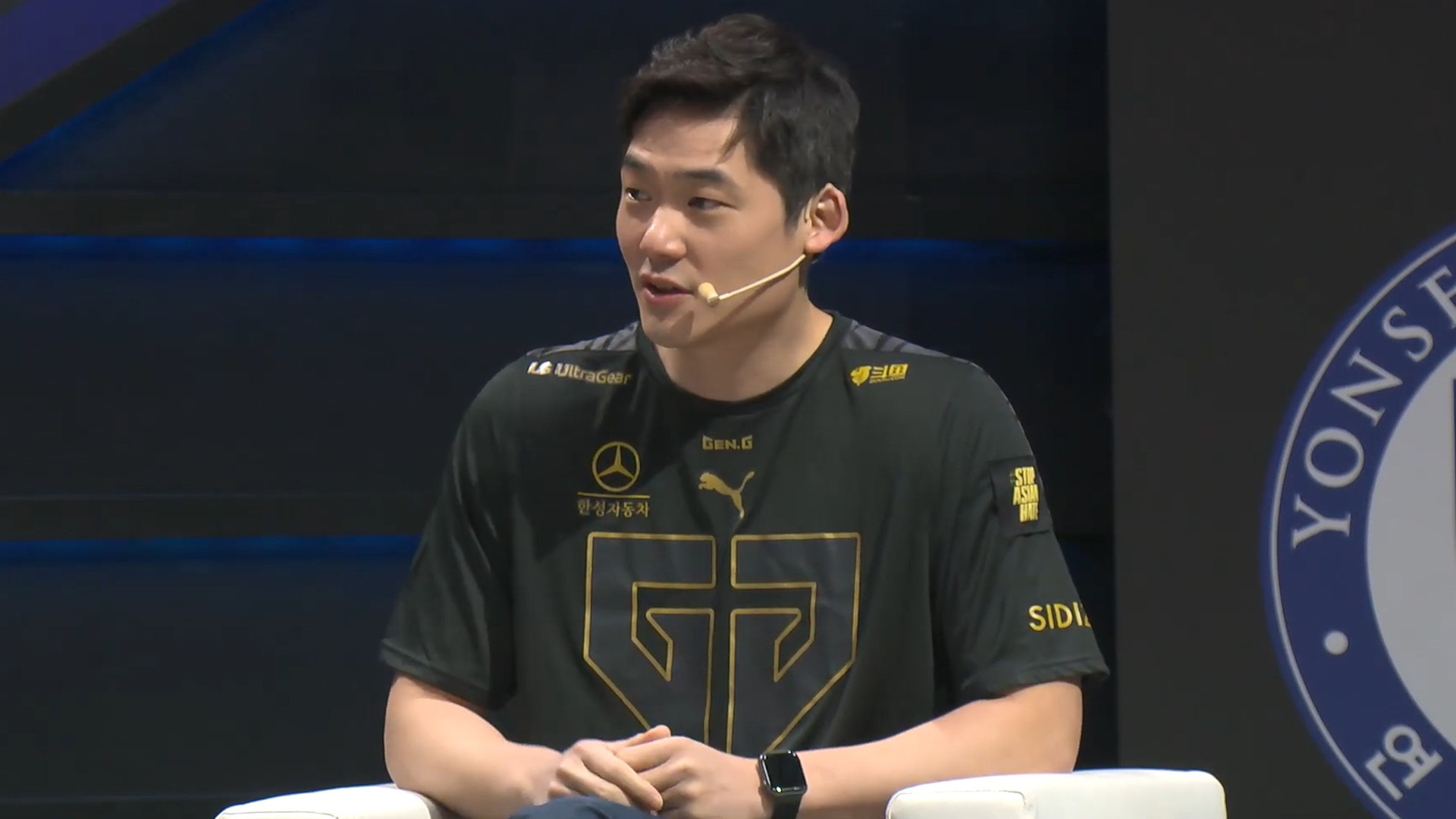
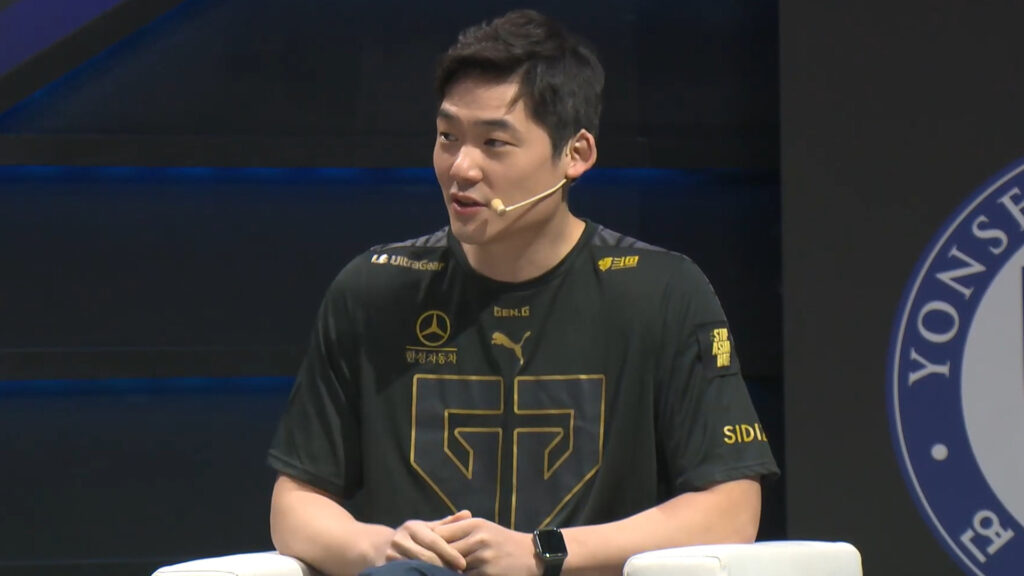
Arnold Hur, Chief Operating Officer of Gen.G Esports, has predicted the end of the franchise and partnership era in esports, warning that only self-sustaining teams with solid business structures will survive the industry’s next phase.
The news comes from translated reports from Inven.
Like spring after winter
“The franchise era is over and the partnership era is over,” Hur said during an online media session hosted by the eSports Foundation on April 27th. “In the future, a small number of strong teams with a solid business structure, working closely with publishers, will be the key to survival.”
The comments mark a significant shift in thinking for an industry that has spent the last several years built around franchise and partnership models. Riot Games’ LCS and LEC leagues, Activision-Blizzard’s Overwatch League, and the LCK’s partnership system have all operated on the premise that locked-in slots and revenue sharing would create sustainable esports businesses.
Hur’s prediction suggests that era is ending — and teams need to adapt or die.
Hur stressed that the esports industry is at “a critical turning point, like spring after winter,” but acknowledged the industry is still very much in that winter phase. His comments came during the eSports Foundation’s Club Partner Program (CPP) 2026 session, which brought together officials from major esports organizations, including the likes of T1 and other South Korean franchised organizations.
For Hur, Gen.G’s aims are centered around the organization’s willingness to invest long-term in a game scene and grow it. It also factors in the long-term potential of talent to build an audience around.
That’s sort of Gen.G’s model, with the likes of Park “Ruler” Jae-hyuk and Jeong “Chovy” Ji-hoon being star franchise players, two of the very best players in their positions in the world for several years now.
Striving for that long-term investment and sustainability is important. Considering the money is drying up in investment, and the Saudi bag is only there as long as it deems necessary, orgs have to look for ways to achieve sustainability.
T1 recently managed this, with its focus on merch being a core part of its profitability for the first time.
Franchise model is wavering anyway
The writing is on the wall for franchising. The likes of League of LEgends esports is seeing debates about franchising and partnership with teams. The biggest expose of the system was during the Los Ratones era, where fan-made storylines and qualification brought hype. Then a large decline with the Los Ratones team not there.
While the franchise leagues provide security and stability for organizations, they allow them to make certain assurances to investors and sponsors.
However, that only matters so much as there are eyeballs on the product. We are starting to see conversations about franchise devaluation. Reports suggest Heretics paid around €34-36 million for their slot, while KC’s purchase implies it’s around €23.5 million.
A recent conversation with Falcons implies that franchise slots could now be worth 1-3 million, near the starting point for those sales when franchising first began. With declining interest in LoL esports, that number could very much go down, meaning most teams are hurtling towards negative equity like it’s a housing market crash.
Over in VALORANT, Riot is going back to an open(ish) circuit, with partnered teams getting better byes in qualification matches. And that has LoL fans jealous.
Maybe Hur is onto something after all.