
Memory flickers like an old television left on too late. Images blur, and voices get lost under the crackle of static. Zeshaan Younus’ I’ve Seen All I Need to See begins here, in a dimly-lit limbo between recall and reminiscence. It feels lost, intimate, almost intrusive, as if we’re watching something not meant for us. From its outset, reflection isn’t just a theme – it’s a structure.
After the sudden death of her estranged sister Indiana (Rosie McDonald), Parker (Renee Gagner) returns to her Arizona hometown and is searching for answers. What she finds instead is more abstract: the creeping weight of loss and its grasp over her life.
Get more Little White Lies
Younus successfully renders this through contrast – silence dominates, broken by sudden ruptures of sound. The hum of the Arizona desert gives way to bursts of heavy metal, erupting when Parker’s emotions can no longer be contained. These moments jolt both character and viewer into focus. Elsewhere, the camera lingers. Sometimes beautifully so, framing Parker from behind as if we are placed within her thoughts. Other times, stasis stretches too long, threatening to stall a narrative already sparse in runtime, a choice that feels deliberate, even if it doesn’t always land.
The desert becomes the film’s central enigma. Vast and empty, it looms over Parker’s return like an unanswered question. It’s only after the title card drops, a third of the way in, that she enters it, surrendering to the weight of her loss. From there, the boundaries between herself and her sister begin to blur: gestures, spaces, and traces of a life once lived start to overlap. What begins as remembrance shifts into something closer to embodiment.
This is where the film feels most compelling. Younus paints grief not through absence, but through presence. Her sister lingers everywhere, in memory, flashbacks and dreams. When Parker asks, “Why can I still feel you?”, it resonates because we can too. Younus distinguishes his work from more conventional depictions of grief, where loss is defined by absence; here, it persists through experimentality that is non-linear.
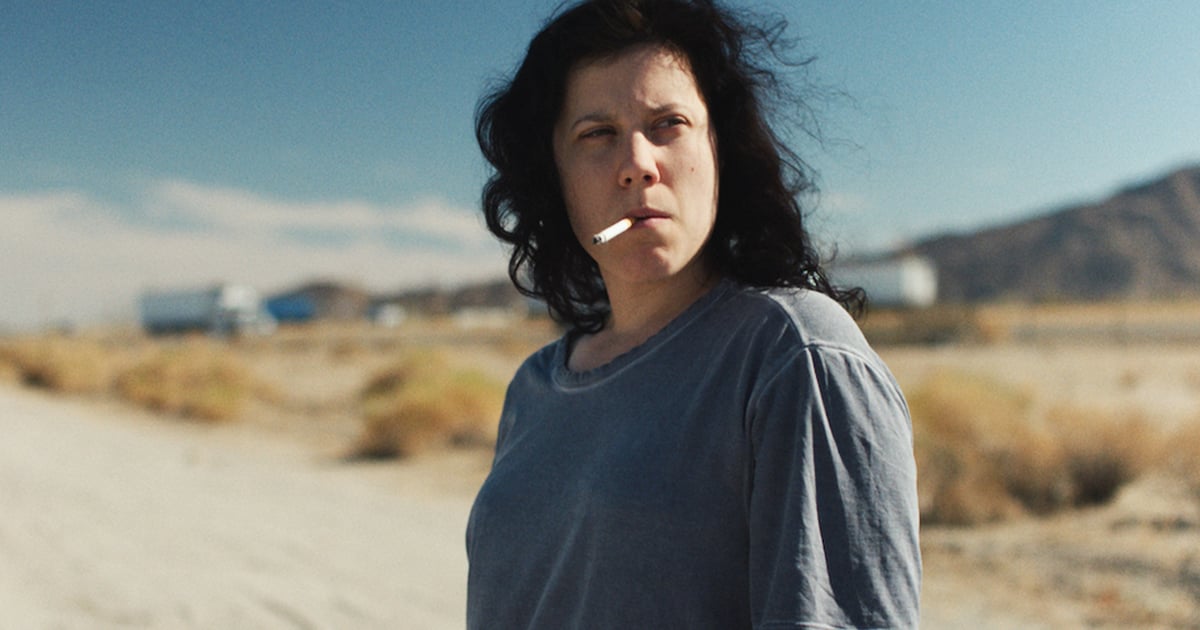
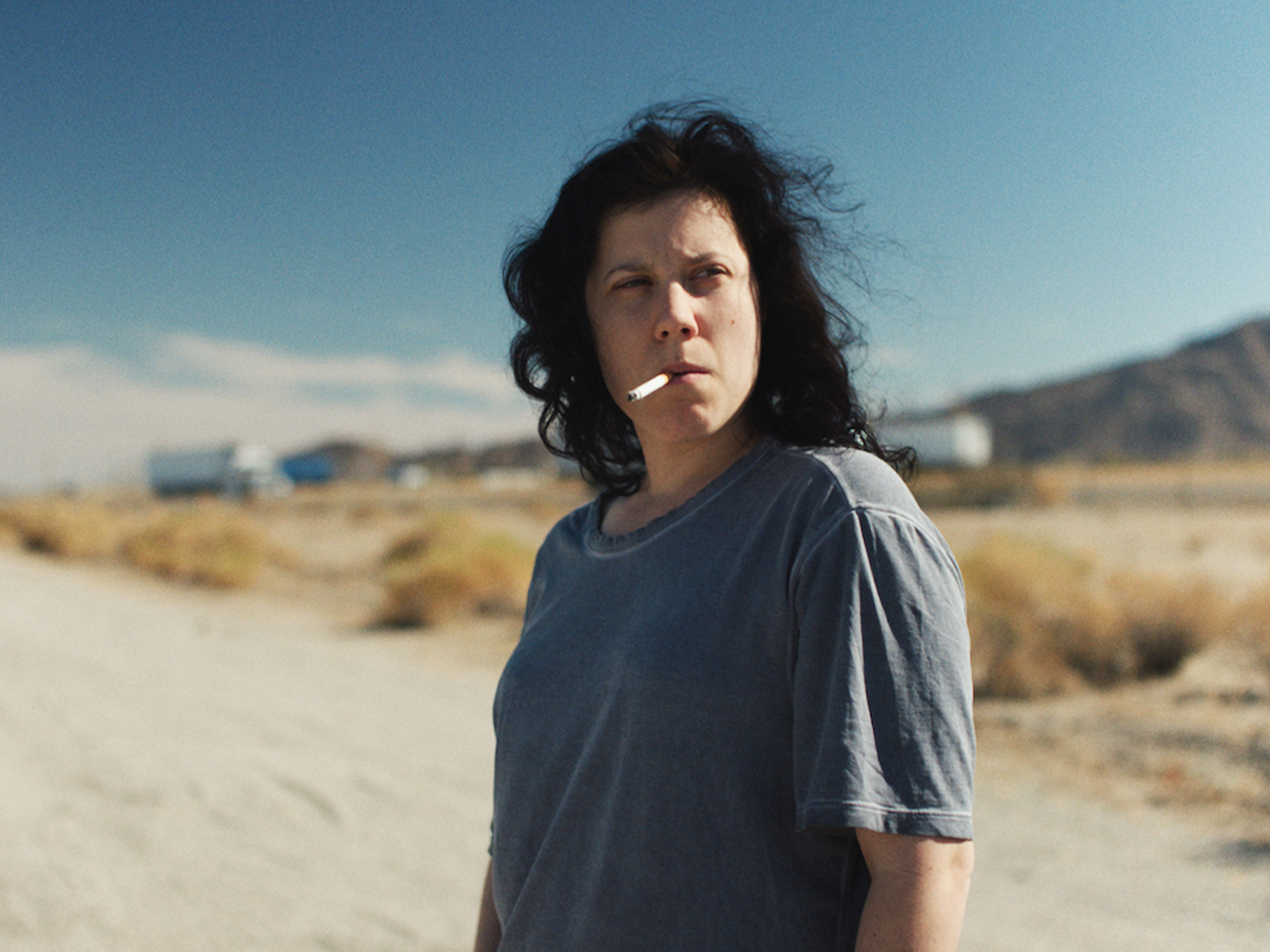
A link between loss and destruction emerges. Indiana was described as “destructive” in life, often framed in the glow of fire or a lit cigarette. Parker begins to take on the same trait, shot in the same compositions. It feels less like mourning and more like transformation. She is not just remembering her sister, she is becoming her. This level of care adds depth to the characters; where a blockbuster may overlook such detail, the film’s independent production fulfills it with noticeable dedication.
There are moments where repetition risks dulling its impact. Scenes of drinking and smoking recur. For a film of just 83 minutes, it can feel at odds with its runtime. Younus captures the cyclical nature of mourning, even if it occasionally comes at the expense of propulsion.
Parker’s routine seems to reemerge as an appreciated coda, like the eventual ease back into everyday life following bereavement. If the title suggests finality, it feels more like recognition. It extends beyond Parker to those around her, and even to us: we have seen all we need to see.